














10 Tips for Hosting an Art Workshop at Your School
Schools in Singapore are increasingly recognizing the importance of art in a child’s development. Beyond academics, art helps students express themselves, think creatively, and build confidence. Hosting an art workshop at school is one of the best ways to provide these opportunities in a structured yet enjoyable format.
But how can teachers, parent committees, or school coordinators ensure the workshop runs smoothly and achieves its goals? Whether it’s a one-day event or part of a larger enrichment program, careful planning makes all the difference.
Here are 10 tips for hosting a successful art workshop at your school.
1. Define the Purpose of the Workshop
Start by asking: What do we want students to gain? Is the goal to encourage creativity, teach a new technique, or celebrate a special event like Teachers’ Day? Having a clear objective guides every decision, from activity choice to timing.
2. Choose Age-Appropriate Activities
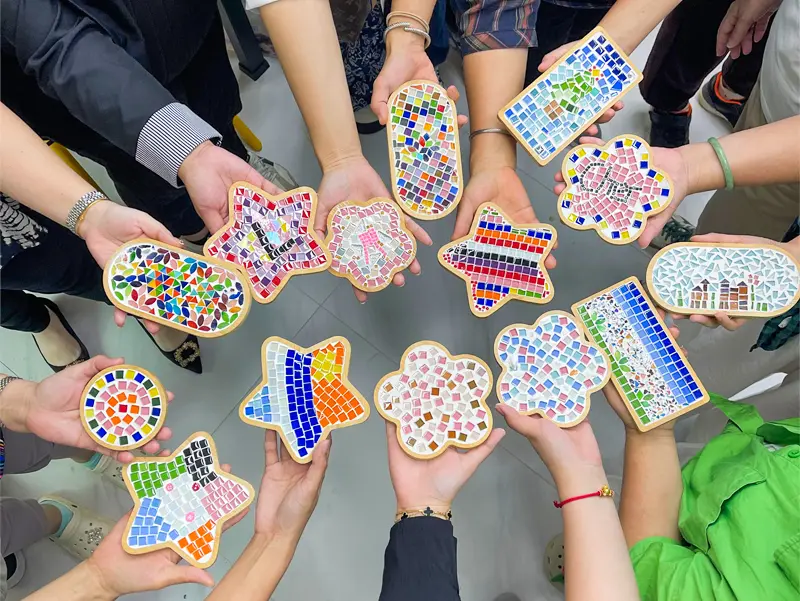
Primary school students may enjoy simple crafts like mosaic coasters or card-making, while older students may be ready for painting, clay work, or collaborative murals. Matching the activity to the age group ensures the workshop is both engaging and achievable.
3. Partner with Experienced Facilitators
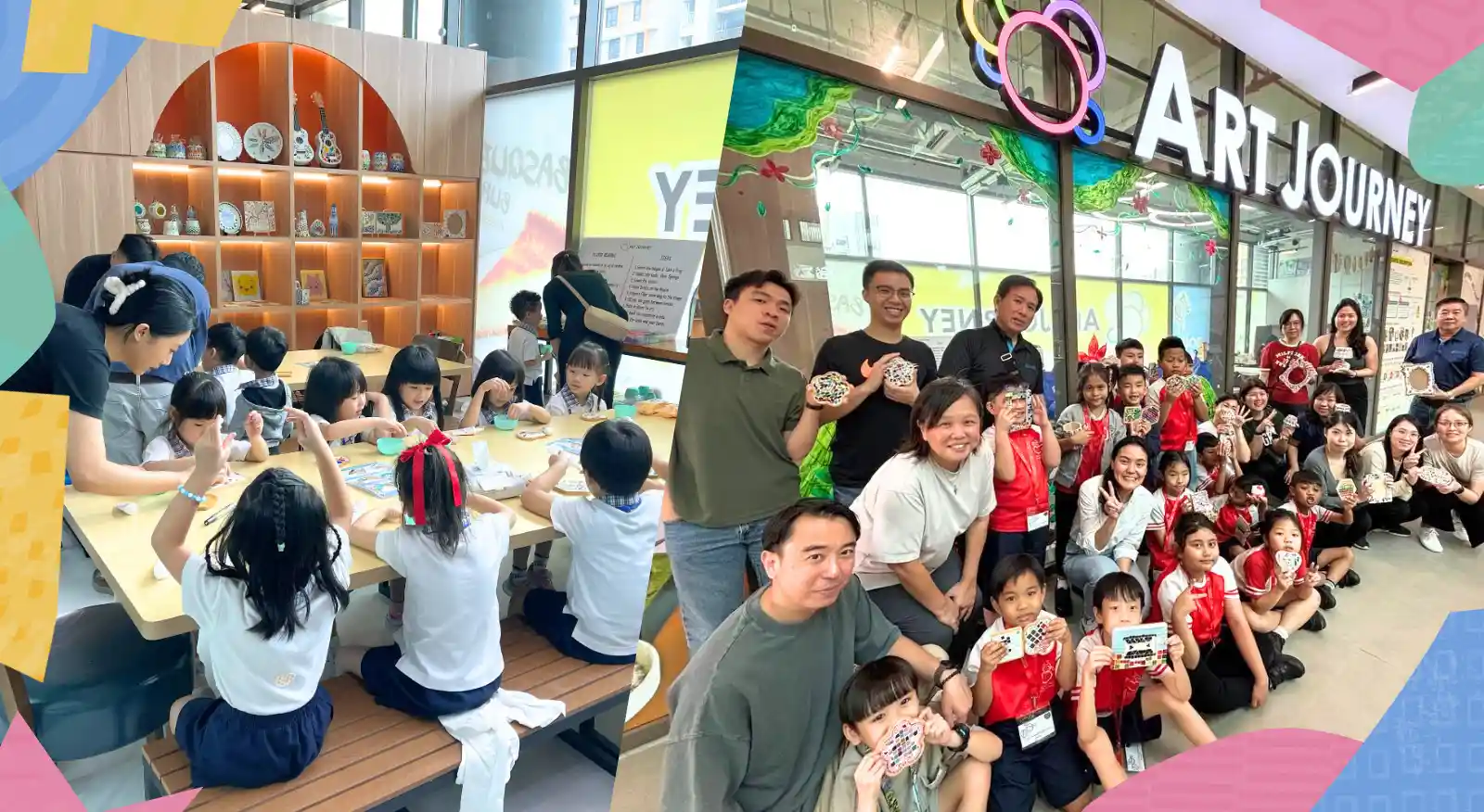
Inviting professionals who specialize in conducting art workshops makes the experience smoother. Studios like Art Journey Singapore provide trained facilitators who can guide students step by step, keeping sessions fun, structured, and inclusive.
4. Keep Group Sizes Manageable
Large groups can feel overwhelming for both students and facilitators. Divide participants into smaller groups where possible. This allows every child to get attention and ensures materials are used effectively without chaos.
5. Prepare Materials in Advance
Nothing slows down a workshop more than missing supplies. Prepare all paints, brushes, scissors, and paper before the session begins. Pre-packing sets of materials for each child helps maintain order and saves time.
6. Incorporate Team-Based Projects
While individual art is rewarding, collaborative projects such as murals or large collages encourage teamwork. These activities also create a lasting piece that the school can display, reminding students of their shared effort.
7. Allow Room for Creativity
While structure is important, avoid making the workshop feel like another classroom lesson. Let children choose their colors, patterns, or designs. This freedom boosts confidence and keeps them engaged.
8. Plan for Display and Celebration
Students feel proud when their work is showcased. Arrange to display the artworks in classrooms, hallways, or during school events. A small celebration or recognition ceremony can make the experience even more memorable.
9. Manage Time Wisely
Workshops should be long enough to let students complete their projects but not so long that they lose focus. For younger kids, 45–60 minutes is ideal, while older students can handle longer sessions. Always factor in setup and clean-up time.
10. Collect Feedback and Reflect
After the workshop, gather feedback from students and teachers. Did they enjoy the activity? What did they learn? Feedback helps refine future workshops and ensures they continue to meet the needs of the school community.
Why Schools Benefit from Hosting Art Workshops
Art workshops offer more than just fun. They:
- Encourage creativity and problem-solving.
- Provide stress relief and mindfulness for students.
- Foster collaboration and communication.
- Help schools build a culture that values holistic education.
In Singapore, where academics often take priority, art workshops offer a refreshing balance. With support from professional facilitators like Art Journey, schools can ensure their workshops are well-organized, impactful, and memorable.
FAQs
1. Why should schools include art workshops in their programs?
Art workshops help students build creativity, confidence, emotional expression, and problem-solving skills. They also provide a healthy balance to Singapore’s academically focused environment.
2. What age groups are suitable for school art workshops?
Art workshops can be designed for all levels—from preschool to secondary school. The key is selecting age-appropriate activities such as mosaic crafts for younger children and painting or clay projects for older students.
3. Do teachers need to prepare anything before the workshop?
Most workshops run smoothly when materials are prepared in advance. If partnering with a studio like Art Journey, facilitators usually bring or pre-package all materials, making it convenient for schools.
4. How long should a school art workshop be?
For younger students, 45–60 minutes works best. Older students can engage for 60–90 minutes. Always include time for setup, instructions, and clean-up.
5. Can large groups participate in the workshop?
Yes—but it’s best to divide students into manageable groups. Smaller groups ensure each child receives proper guidance and materials are used efficiently.