





15 Creative Skills Kids Learn from Art Workshops
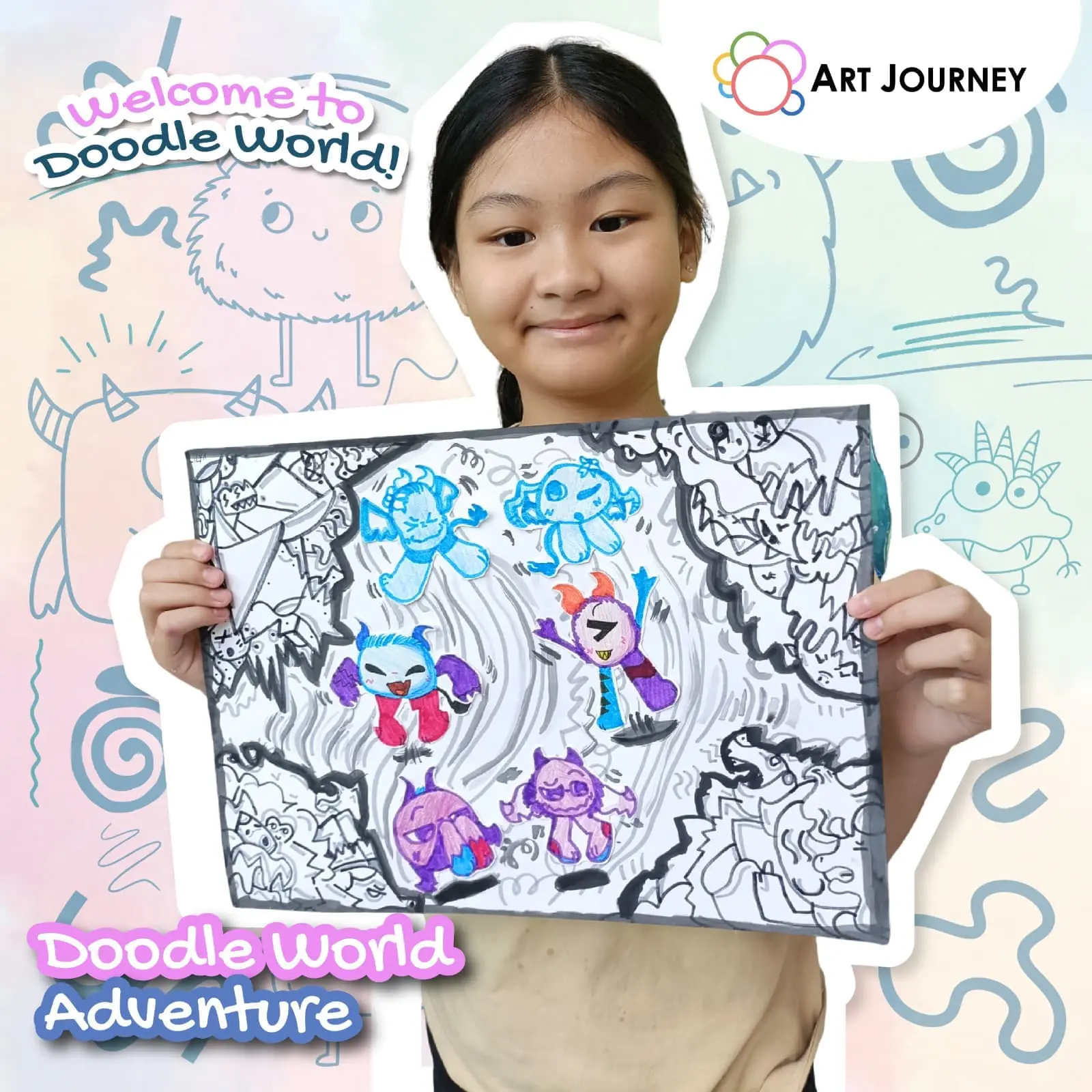
Art workshops are more than just fun activities where children paint, draw, or build crafts. They are structured experiences that help children learn important life skills through creativity. In Singapore, parents are increasingly turning to art workshops as enrichment activities because they combine education, personal development, and play in one enjoyable package.
At studios like Art Journey Singapore, workshops are designed to nurture both creativity and character. Kids not only bring home colorful artworks but also valuable skills that shape their growth and development.
Here are 15 creative skills kids learn from participating in art workshops.
1. Imagination
Art workshops encourage kids to think outside the box, sparking imaginative ideas that go beyond what’s written in textbooks.
2. Problem-Solving
When a painting doesn’t look “right” or a mosaic piece doesn’t fit, children learn to adapt, try new methods, and find solutions creatively.
3. Confidence
Completing a project gives kids a sense of achievement. Showing their work to parents or friends builds pride and self-esteem.
4. Focus
Art requires concentration—whether it’s painting small details or carefully arranging clay. Workshops help children practice sustained attention.
5. Patience
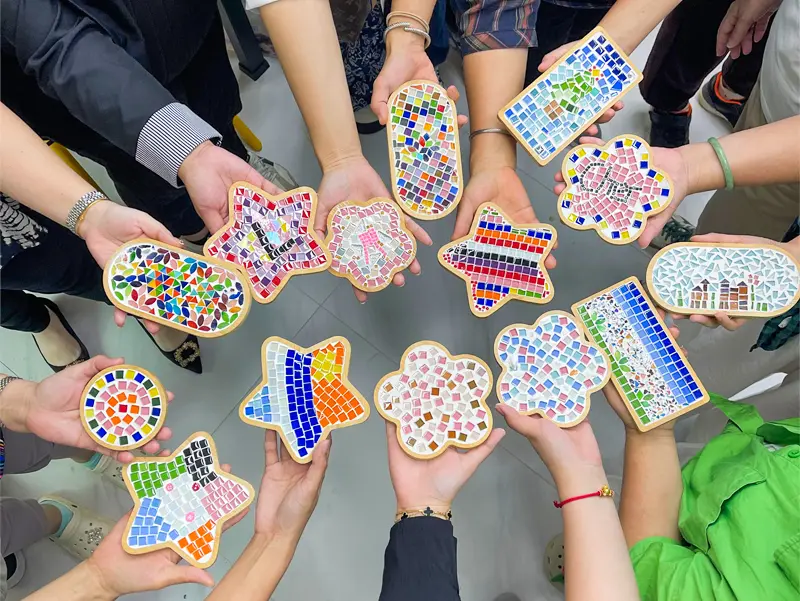
Projects like mosaics or murals teach kids the importance of taking time and working step by step, building patience naturally.
6. Fine Motor Skills
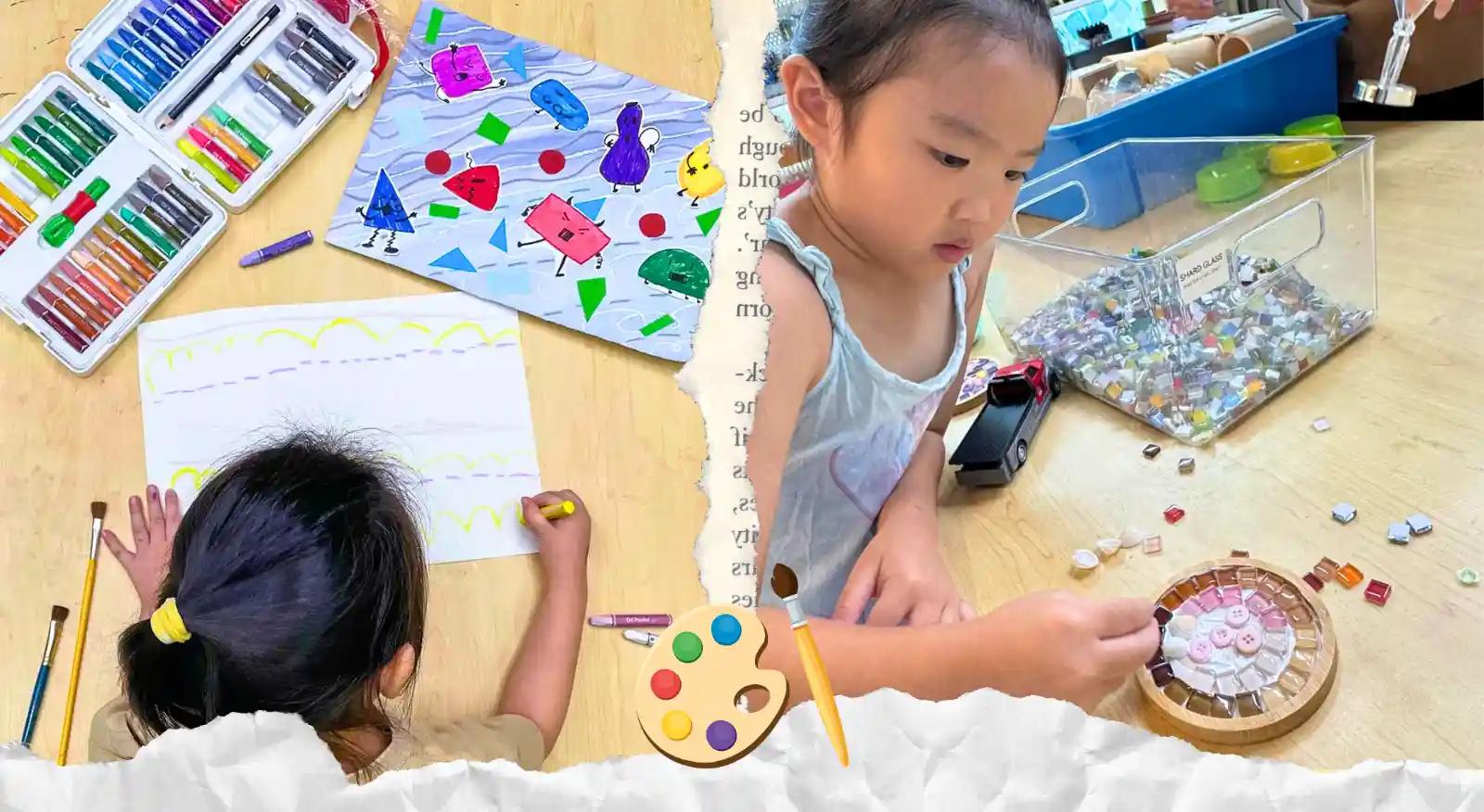
Using brushes, scissors, or arranging tiny mosaic tiles develops hand-eye coordination and dexterity.
7. Emotional Expression
Art gives children a safe outlet to express happiness, curiosity, or even frustration—helping them process emotions better.
8. Teamwork
Group projects like murals or collaborative crafts teach kids to work with others, share ideas, and value contributions.
9. Communication
Through explaining their art or sharing ideas, children learn to communicate more effectively with peers and adults.
10. Decision-Making
From choosing colors to deciding on shapes, children develop independence and the ability to make confident choices.
11. Cultural Awareness
Festival-themed workshops expose children to traditions like Chinese New Year crafts or Deepavali patterns, broadening their cultural understanding.
12. Resilience
Mistakes are common in art, but workshops teach kids to adapt, rework, and keep going instead of giving up.
13. Organization
Children learn to manage materials—paint, brushes, paper—and keep their workspace structured, which supports discipline.
14. Creativity in Everyday Thinking
By experimenting with textures and materials, kids learn to approach everyday challenges with creativity, not just routine thinking.
15. Pride in Ownership
Taking home their finished work teaches children to value their efforts and take responsibility for what they create.
Why These Skills Matter
Art workshops are not just about the artworks—they are about the skills kids carry forward. These skills benefit schoolwork, friendships, and personal growth. For example:
- Patience and focus improve academic performance.
- Communication and teamwork support social skills.
- Confidence and resilience prepare kids for challenges later in life.
In Singapore, spaces like Art Journey make these workshops accessible, ensuring kids not only have fun but also walk away with meaningful growth.
FAQs
1. Are art workshops really beneficial for my child’s development?
Yes. Art workshops help children build essential skills such as creativity, focus, problem-solving, resilience, and confidence. These skills support both academic performance and emotional well-being.
2. What age is suitable for kids to start joining art workshops?
Children can start as young as 3 to 12 years old. At this age, they naturally enjoy creative play, and workshops help develop fine motor skills, imagination, and confidence.
3. How do art workshops improve my child’s academic performance?
Activities that require focus, patience, and decision-making train the brain to think critically. These skills translate into improved performance in subjects like math, reading, and science.
4. What skills will my child gain from attending art workshops?
Kids develop skills such as imagination, emotional expression, organization, teamwork, communication, and resilience. These skills help them grow socially, academically, and personally.
5. Will my child benefit even if they are not naturally “artistic”?
Absolutely. Art workshops focus on creativity, exploration, and self-expression—not perfection. Every child benefits from problem-solving, confidence building, and hands-on learning regardless of artistic ability.
6. How often should my child attend art workshops to see improvement?
Attending once or twice a week is ideal. Consistency helps children strengthen creative thinking, develop discipline, and build long-term skills that support their overall growth.