


10 Mental Health Benefits of Art for Kids in 2026
Children today are growing up in a fast-changing world shaped by academic pressure, digital exposure, and increasingly busy schedules. In Singapore, parents and educators are paying closer attention to children’s mental and emotional well-being, not just academic performance.
By 2026, art is widely recognised as more than a creative pastime. It is a powerful tool that supports children’s mental health, emotional development, and self-awareness. Through drawing, painting, crafting, and creative exploration, children gain a safe space to process feelings and build inner strength.
Here are 10 key mental health benefits of art for kids in 2026.
1. Art Provides a Safe Outlet for Emotional Expression
Children do not always have the vocabulary to explain how they feel. Art allows them to express emotions visually and intuitively.
Through art, children can:
- Release bottled-up feelings
- Express emotions without fear of judgement
- Communicate experiences they may struggle to verbalise
This emotional outlet is especially valuable during periods of stress or change.
2. Art Helps Reduce Stress and Anxiety
Creative activities naturally slow the mind and encourage focus on the present moment. When children engage in art, their attention shifts away from worries and external pressures.
Benefits include:
- Lower stress levels
- Reduced anxiety
- A calming, grounding effect
Art acts as a gentle form of mindfulness for children.
3. Art Builds Emotional Awareness
As children create, they begin to recognise patterns in their emotions—what colours they choose, how they draw, and what themes appear in their work.
This process helps children:
- Understand their own emotions
- Identify emotional triggers
- Develop emotional vocabulary over time
Emotional awareness is a foundational mental health skill.
4. Art Strengthens Self-Esteem and Confidence
Completing an artwork gives children a sense of achievement. Unlike academic tasks, art does not rely on right or wrong answers.
This helps children:
- Feel proud of their efforts
- Build confidence in their abilities
- Develop a positive self-image
Confidence gained through art often carries over into other areas of life.
5. Art Encourages Healthy Coping Skills
When children learn to turn to art during difficult moments, they develop healthy coping mechanisms.
Art teaches children to:
- Process emotions constructively
- Manage frustration and disappointment
- Channel feelings into creation rather than avoidance
These coping skills are essential for long-term mental well-being.
6. Art Improves Focus and Attention
Despite its expressive nature, art requires concentration, planning, and patience. Children learn to stay engaged with a task over time.
Mental health benefits include:
- Improved attention span
- Better emotional regulation
- Increased ability to stay present
These skills support both emotional and academic development.
7. Art Creates a Sense of Control and Autonomy
In a world where many decisions are made for them, art gives children control over choices—colours, shapes, themes, and outcomes.
This sense of autonomy:
- Reduces feelings of helplessness
- Supports independence
- Builds decision-making confidence
Feeling in control is important for emotional security.
8. Art Supports Social and Emotional Connection
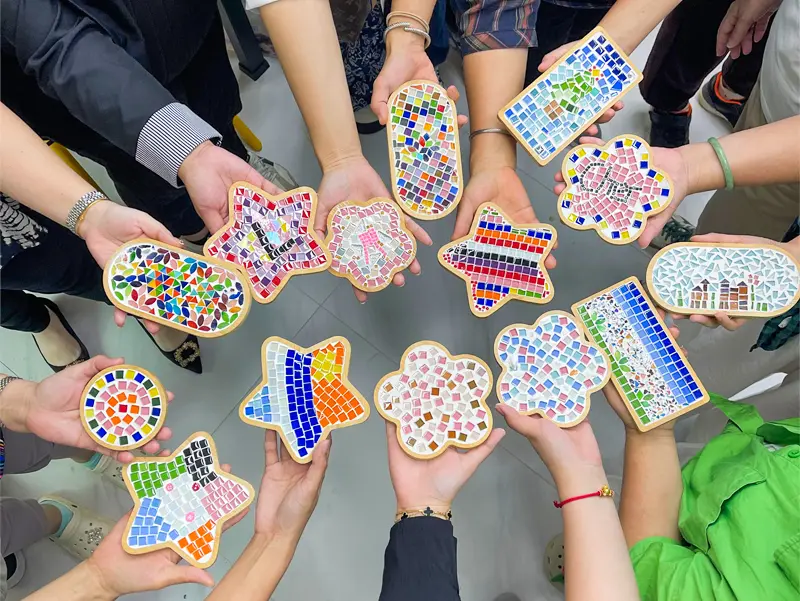
Group art activities encourage sharing, collaboration, and mutual respect. Children learn to appreciate different perspectives through creative interaction.
This supports:
- Empathy and understanding
- Social confidence
- Positive peer relationships
Creative spaces often feel safer and less competitive than other group settings.
9. Art Helps Children Process Change and Transitions
Life changes such as starting school, moving homes, or adjusting to new routines can be emotionally challenging for children.
Art helps children:
- Express uncertainty or fear
- Make sense of new experiences
- Adapt emotionally at their own pace
This makes art especially valuable during transitional periods.
10. Art Supports Long-Term Emotional Resilience
Over time, regular engagement with art helps children develop resilience—the ability to cope with challenges and recover from setbacks.
Art encourages:
- Reflection and self-understanding
- Emotional flexibility
- Confidence in facing difficulties
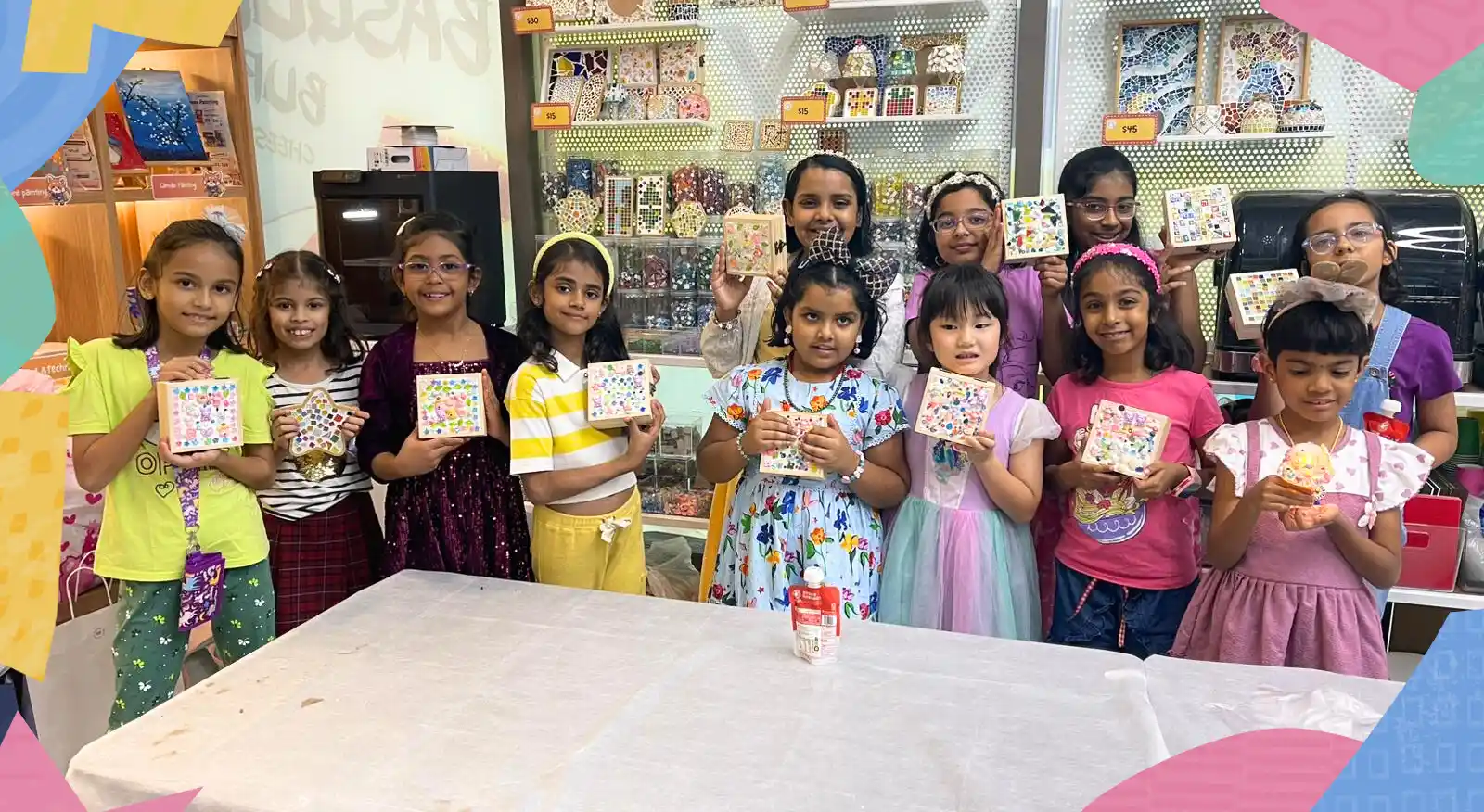
Studios such as Art Journey reflect this growing awareness by creating environments where children can explore creativity in a supportive, pressure-free setting.
Why Art Matters More for Kids’ Mental Health in 2026
As conversations around mental health become more open, parents and educators are seeking proactive ways to support children’s emotional well-being. Art offers a natural, accessible, and effective approach that fits seamlessly into children’s routines.
Rather than treating mental health reactively, art allows children to build emotional skills early—before challenges become overwhelming.
Frequently Asked Questions (FAQ)
How does art support children’s mental health?
Art allows children to express emotions, reduce stress, and develop emotional awareness in a safe and non-judgemental way.
At what age can children benefit from art for mental well-being?
Children can benefit from art as early as toddlerhood. The emotional benefits continue through childhood and adolescence.
Is art therapy the same as art activities?
Art therapy is a clinical practice led by trained professionals. However, regular art activities also provide significant mental and emotional benefits.
Can art help children who struggle with anxiety or stress?
Yes. Art provides a calming outlet and helps children process emotions without pressure to explain their feelings verbally.
How often should children engage in art activities?
Regular exposure—such as once or twice a week—can offer consistent mental health benefits.
Do children need to be “good at art” to benefit?
No. The benefits of art come from the process, not the outcome. Skill level is not important.
Can group art activities improve social confidence?
Yes. Group art sessions encourage communication, sharing, and collaboration in a low-pressure environment.
Is art beneficial for children with short attention spans?
Yes. Art helps children practise focus and emotional regulation gradually and naturally.
Can art replace professional mental health support?
Art supports mental well-being but does not replace professional care when needed. It works best as a complementary approach.
Will art continue to play a role in children’s mental health beyond 2026?
Yes. As awareness grows, art is expected to remain an important tool for supporting children’s emotional and mental well-being.