

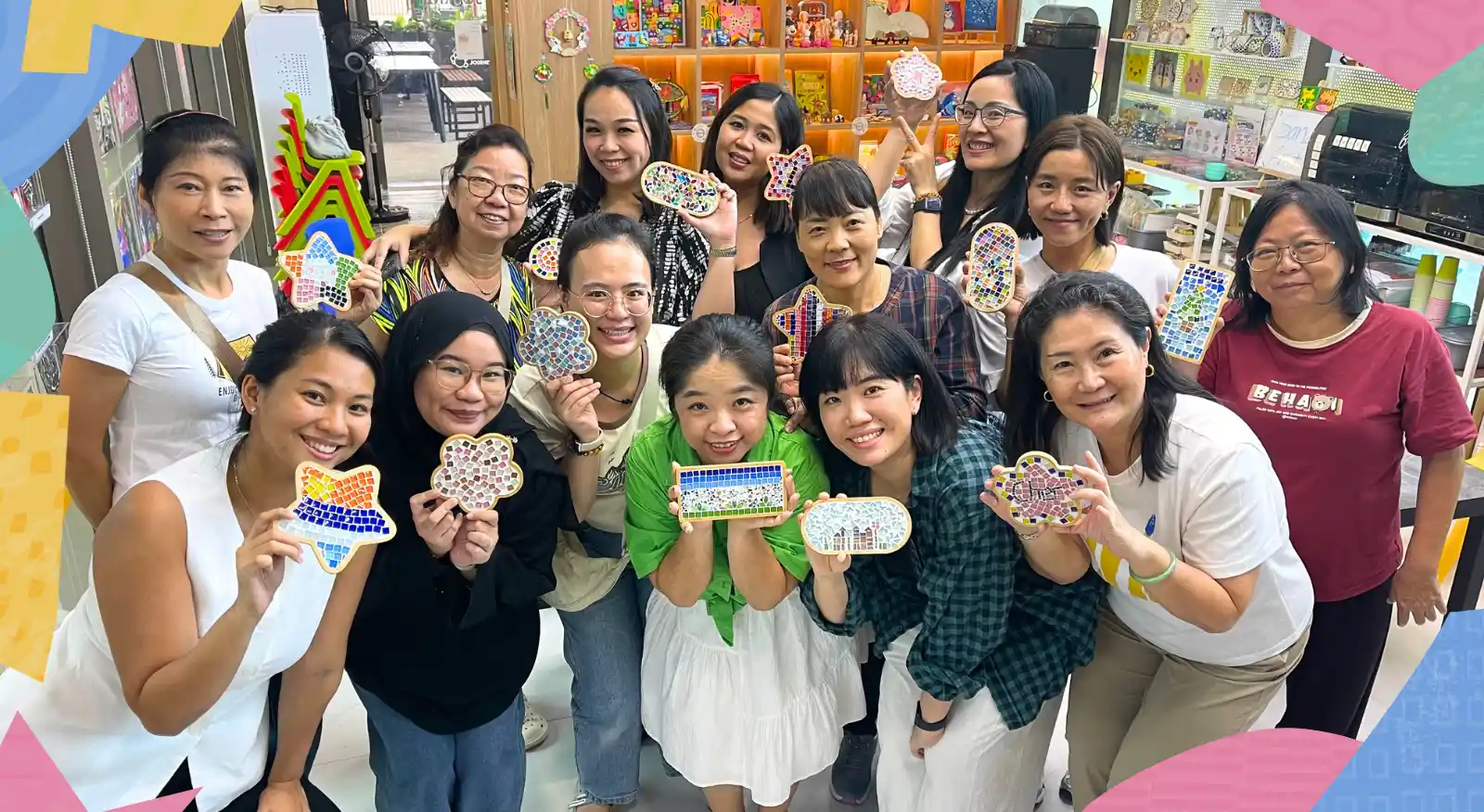
10 Team Bonding Trends Singapore Companies Will Choose in 2026
Workplace culture is changing rapidly, and team bonding is no longer viewed as an optional perk. By 2026, companies are placing greater emphasis on connection, well-being, and meaningful collaboration. Traditional team-building games and one-off outings are giving way to more thoughtful, inclusive, and experience-driven approaches.
In Singapore, where work environments are fast-paced and performance-driven, organisations are increasingly investing in team bonding activities that support both productivity and employee well-being. Here are 10 team bonding trends companies are likely to choose in 2026.
1. Experience-Based Team Bonding Over Games
Companies are moving away from high-energy competitive games toward experiences that encourage reflection, creativity, and genuine interaction.
Experience-based bonding focuses on:
- Shared learning moments
- Collaborative problem-solving
- Meaningful conversations
These experiences foster deeper connections than short-term entertainment.
2. Creative Workshops as a Core Team Activity
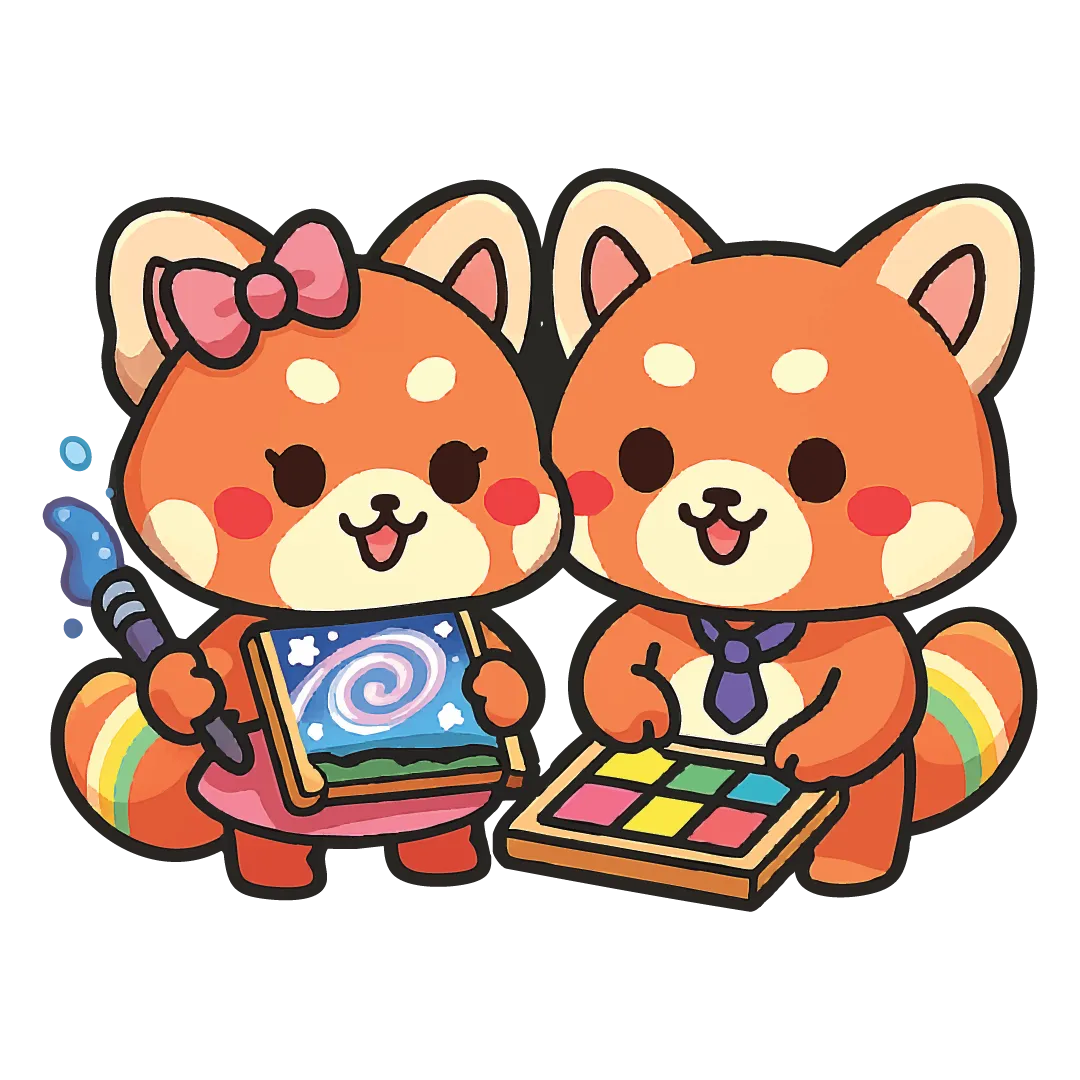
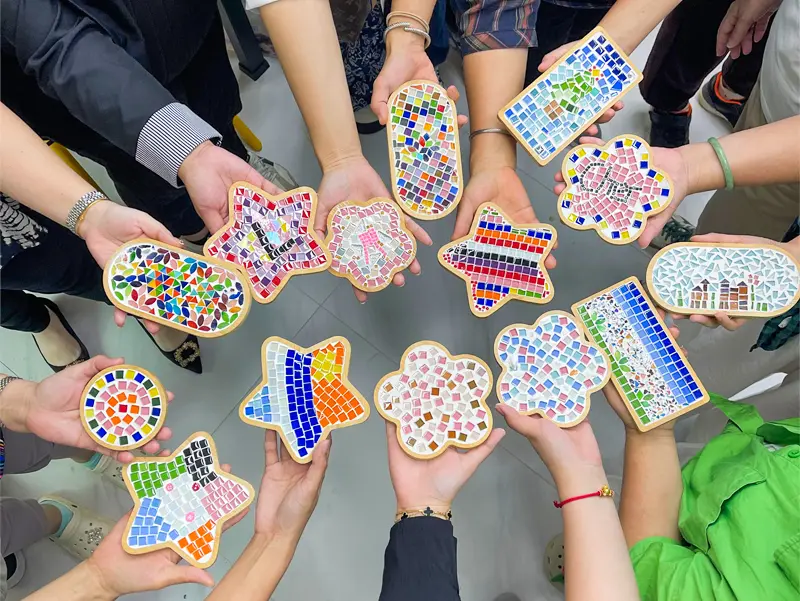
Creative workshops such as painting, craft-making, or collaborative art projects are becoming mainstream team bonding choices.
Why companies are choosing creativity:
- Encourages open expression
- Reduces hierarchy during activities
- Allows all personality types to participate
Creative environments help teams connect naturally without pressure.
3. Focus on Mental Well-Being and Stress Relief
Burnout and workplace stress are key concerns heading into 2026. Team bonding activities are increasingly designed to support mental and emotional well-being rather than competition.
Popular formats include:
- Art-based relaxation sessions
- Mindful creative activities
- Low-pressure collaborative tasks
These activities help employees reset while strengthening team relationships.
4. Inclusive Activities for Diverse Teams
Modern teams are diverse in age, background, and working styles. Companies are prioritising bonding activities that are accessible to everyone.
Inclusive team bonding:
- Avoids physical or skill-based barriers
- Encourages equal participation
- Supports introverts and extroverts alike
This ensures no employee feels excluded or uncomfortable.
5. Smaller Group Sessions Instead of Large-Scale Events
Rather than large, one-off corporate events, companies are opting for smaller group sessions that allow for more meaningful interaction.
Benefits include:
- Deeper conversations
- Stronger interpersonal connections
- Better engagement and participation
Smaller formats also align well with hybrid and flexible work models.
6. Purpose-Driven Team Bonding Experiences
Employees increasingly value purpose in their work and workplace activities. Team bonding in 2026 often includes elements of learning, contribution, or self-development.
Examples include:
- Skill-based creative workshops
- Activities linked to personal growth
- Experiences that encourage reflection and collaboration
Purpose-driven bonding creates lasting impact beyond the session itself.
7. Flexible and Modular Team Bonding Formats
Companies want flexibility. Team bonding activities are now designed to fit half-days, short sessions, or modular programmes that can be customised.
Flexible formats:
- Reduce disruption to work schedules
- Support remote or hybrid teams
- Allow repeat sessions across departments
This adaptability makes team bonding easier to sustain long-term.
8. Emphasis on Communication and Collaboration Skills
Rather than focusing purely on fun, companies are selecting activities that strengthen real workplace skills.
Team bonding in 2026 often aims to:
- Improve communication
- Build trust
- Encourage collaborative problem-solving
Creative group tasks naturally support these outcomes without formal training environments.
9. Employee-Led and Co-Created Experiences
Employees want a voice in how team bonding activities are designed. Companies are increasingly involving teams in choosing or shaping their experiences.
This approach:
- Increases engagement
- Reflects team interests
- Builds ownership and participation
Co-created experiences feel more authentic and relevant.
10. Creative Studios as Team Bonding Venues
Creative studios are emerging as popular alternatives to traditional event spaces. They provide a neutral, relaxed environment that encourages open interaction.
Studios such as Art Journey align with this trend by offering creative experiences that focus on collaboration, expression, and shared exploration rather than competition.
These environments help teams disconnect from daily routines and reconnect with one another.
Why Team Bonding Matters More Than Ever in 2026
As work becomes more flexible and distributed, maintaining strong human connections is a growing challenge. Team bonding is no longer about short-term morale boosts—it is about building trust, resilience, and collaboration over time.
Effective team bonding in 2026:
- Supports employee well-being
- Strengthens workplace culture
- Improves communication and engagement
- Encourages long-term retention
Companies that invest in meaningful bonding experiences are better positioned to navigate change and growth.
Frequently Asked Questions (FAQ)
Why is team bonding evolving in 2026?
Workplace expectations are changing. Employees value meaningful connection, well-being, and purpose, leading companies to redesign team bonding around experience rather than entertainment.
Are creative team bonding activities suitable for all employees?
Yes. Creative activities are inclusive and accessible, allowing participation regardless of physical ability, role, or personality type.
How does creative team bonding benefit workplace performance?
Creative bonding improves communication, trust, and collaboration, which directly supports teamwork and productivity in the workplace.
Are smaller team bonding sessions more effective than large events?
Smaller sessions often allow deeper interaction and engagement, making them more effective for building genuine connections.
Can team bonding support employee mental well-being?
Yes. Low-pressure, creative activities help reduce stress and provide a healthy outlet for expression and relaxation.
How often should companies organise team bonding activities?
Rather than one-off events, companies benefit from regular, well-paced bonding sessions that fit into ongoing workplace culture.
Is team bonding still relevant for hybrid or remote teams?
Yes. Flexible and modular team bonding formats can be adapted for hybrid teams, ensuring connection despite physical distance.
Do team bonding activities need to be competitive to be effective?
No. Non-competitive, collaborative activities often result in stronger engagement and more positive experiences.
What should companies consider when choosing a team bonding activity?
Key factors include inclusivity, purpose, flexibility, and alignment with company culture and employee needs.
Will team bonding continue to grow in importance beyond 2026?
Yes. As workplaces continue to evolve, intentional team bonding will remain essential for maintaining strong, connected teams.