






Home Based Art Class Singapore: A Creative Way to Learn from Home
Why Parents in Singapore Prefer Home Based Art Classes
1. Convenience for Busy Families
Singaporean families often juggle packed schedules. A home based art class eliminates travel time and waiting — no rushing through traffic, no extra transport costs, more efficient use of time.
2. Comfortable Learning Environment
Children tend to feel more confident at home. They are less shy, express ideas more freely, and focus better without external distractions — especially important for younger children.
3. Personalised Attention
Unlike large group classes, home-based sessions are usually one-to-one or small group (siblings or friends), allowing instructors to adjust the lesson pace and support the child's strengths.
What Do Children Learn in a Home Based Art Class?
A good home based art class in Singapore goes beyond simple colouring. Structured lessons typically cover:
Drawing Fundamentals
- Lines and shapes
- Shading techniques
- Proportion and perspective
Painting Techniques
- Watercolour blending
- Acrylic layering
- Brush control
Creative Thinking
- Storytelling through art
- Concept development
- Colour theory
Mixed Media & Craft
- Clay art
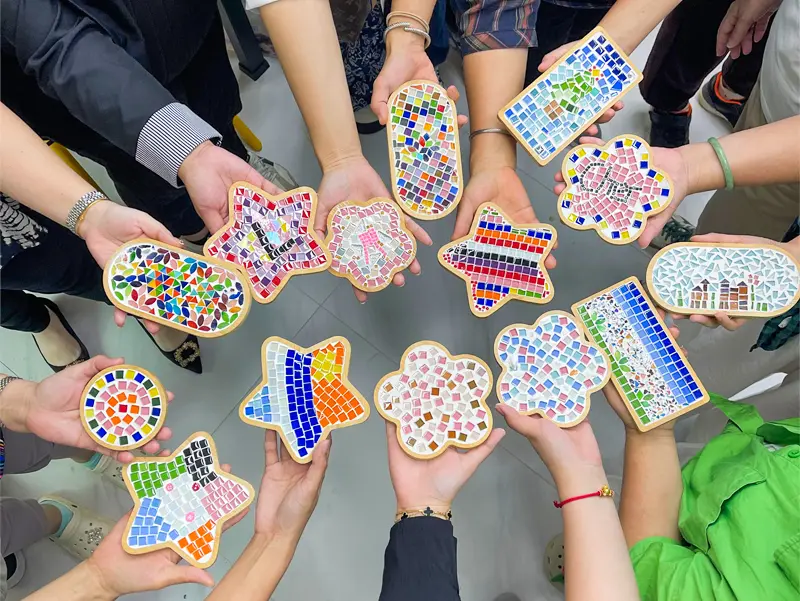
- Mosaic art
- Collage work
Some programmes also include themed sessions such as anime illustration, festive crafts, or seasonal projects. The key is not just producing a "nice" artwork, but helping children understand why and how they create.
Benefits of Art Education for Children
Art is often seen as a hobby, but research consistently shows that creative learning supports overall development.
Improves Focus and Patience
Completing an artwork requires time and attention. Children learn to:
- Sit through a task
- Follow step-by-step guidance
- Correct mistakes patiently
These habits naturally transfer to academic work.
Boosts Confidence
When children see their completed artwork, they feel proud. That sense of achievement builds:
- Self-esteem
- Independence
- Willingness to try new challenges
Encourages Emotional Expression
Art provides a safe outlet for emotions. Children who may struggle to express themselves verbally can communicate through colours and forms.
Develops Fine Motor Skills
Holding brushes, shaping clay, and drawing detailed lines all strengthen hand control, which supports handwriting and coordination.
How to Choose the Right Home Based Art Class in Singapore
Not all art classes are the same. Here's what parents should consider before enrolling.
Instructor's Experience
Check:
- Teaching background
- Experience with children
- Portfolio of student works
An instructor should know how to balance technique and creativity.
Lesson Structure
Avoid classes that simply provide templates for children to copy. Instead, look for programmes that:
- Teach fundamentals
- Encourage originality
- Offer progressive skill development
Materials Provided
Clarify whether materials are included or need to be purchased separately. Quality materials improve the learning experience.
Teaching Approach
Some instructors focus heavily on technical perfection. Others prioritise creative exploration. The ideal balance depends on your child's personality.
Home Based vs Studio-Based Art Classes
Both options have their advantages.
| Home Based Art Class | Studio Art Class |
|---|---|
| Personalised attention | Social interaction with peers |
| No travel required | Dedicated creative environment |
| Flexible scheduling | Larger variety of tools and space |
| Comfortable setting | Exposure to group learning |
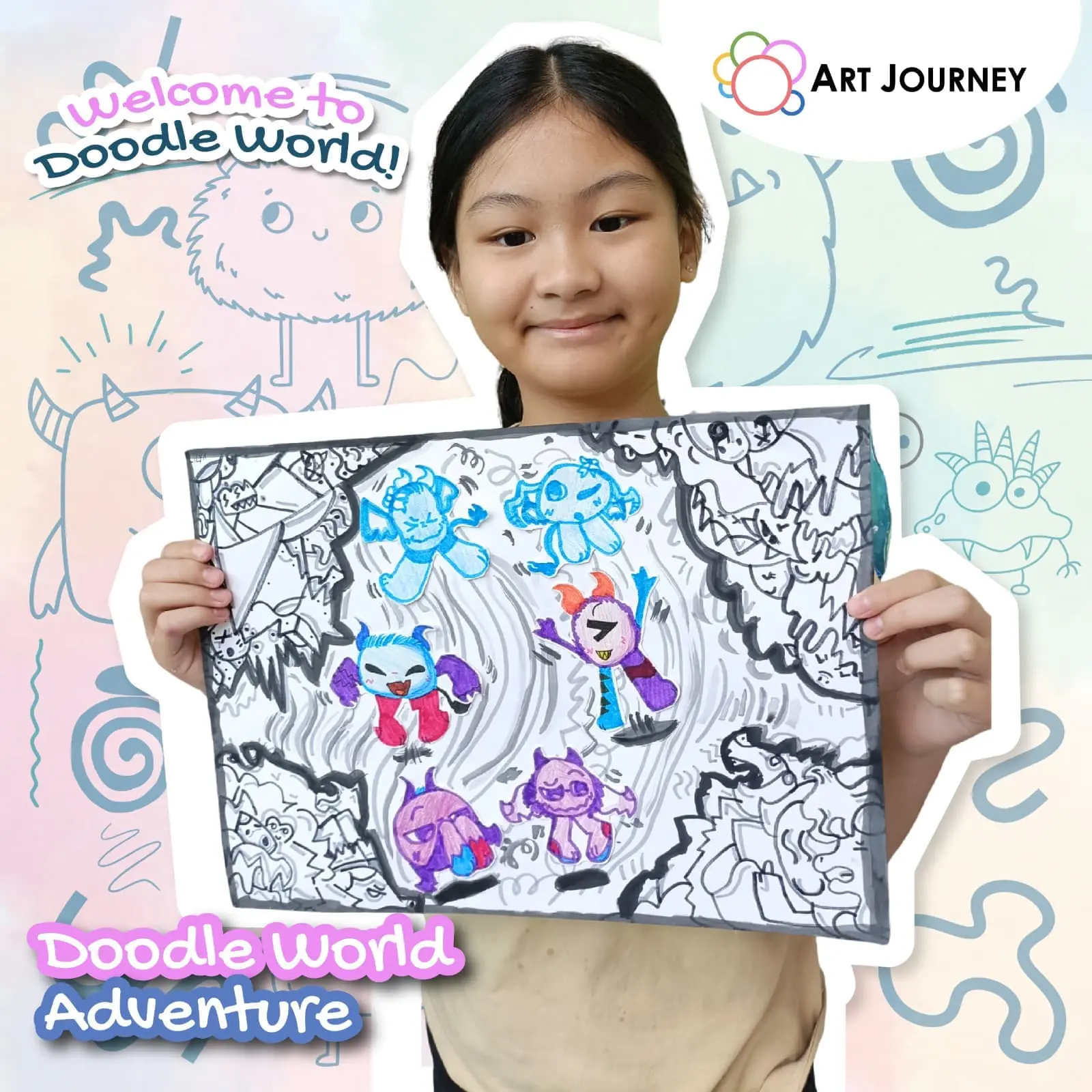
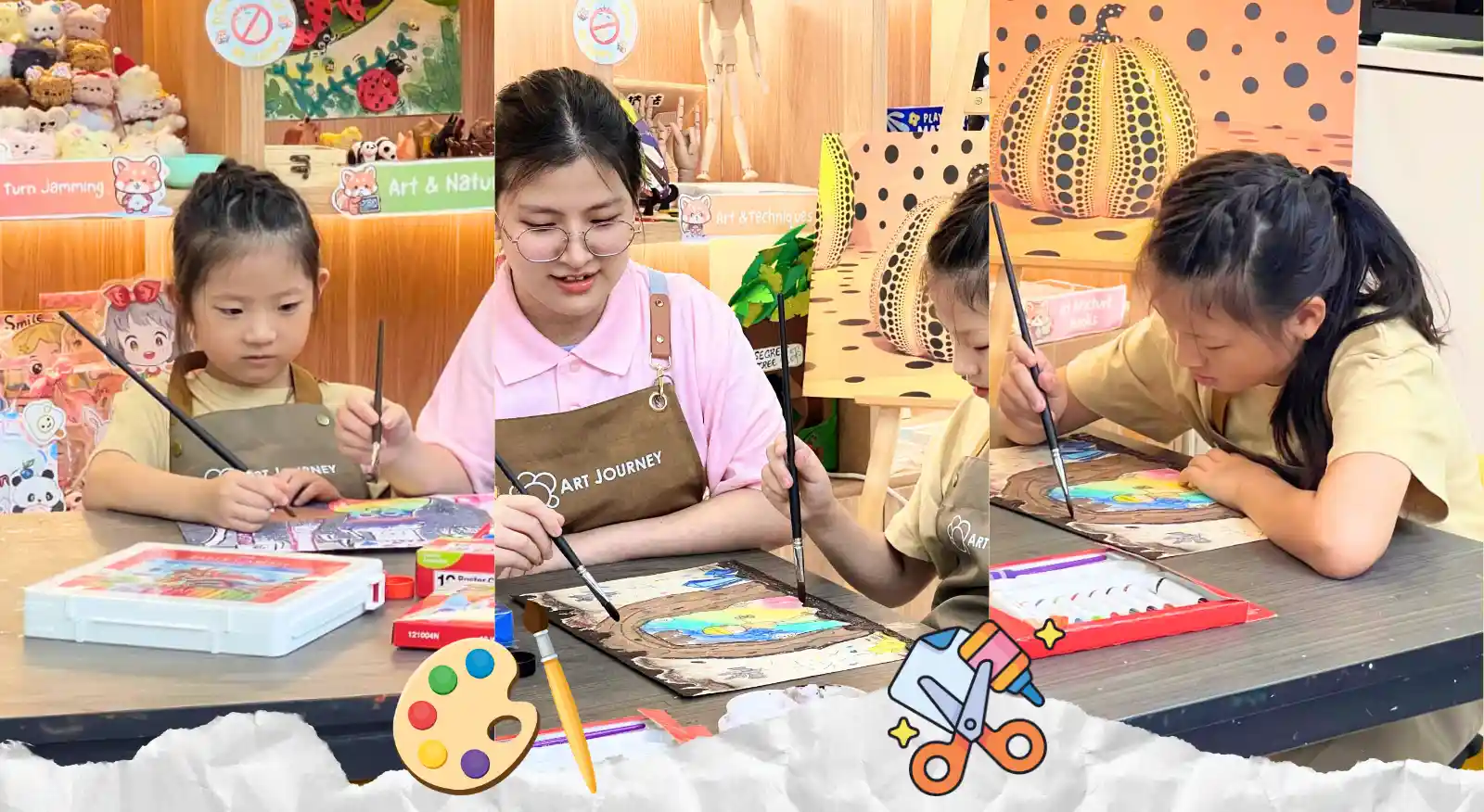
Some families even combine both. For example, children might attend structured studio workshops occasionally while continuing personalised sessions at home. In Singapore, creative spaces like Art Journey offer structured art jamming sessions and workshops where children can experience group-based creativity in a vibrant setting. While not home-based, such studio environments complement personalised learning well.
Is Home Based Art Class Suitable for All Ages?
Ideal for introducing basic shapes, colours, and motor skills. Shorter sessions work best.
A great age for structured skill-building. Children can handle longer sessions and more complex projects.
Teens preparing for DSA or art-related portfolios may benefit from focused, advanced instruction at home.
How Much Does a Home Based Art Class Cost in Singapore?
Prices vary depending on instructor's experience, session duration, group size, and whether materials are included. On average:
One-to-one sessions: May range from SGD 40–80 per hour.
Small group sessions: May cost slightly less per child.
While home-based classes may seem more expensive than group studio lessons, the personalised attention often justifies the cost.
Creating a Conducive Art Space at Home
If you decide to enrol your child in a home based art class in Singapore, setting up a simple art-friendly corner helps. You don't need a full studio. Just ensure:
Quick Setup Checklist
- A stable table
- Good lighting
- Easy-to-clean flooring
- Storage for materials
Keeping art supplies organised encourages children to continue practising independently between lessons.
Long-Term Impact of Regular Art Practice
Consistency matters more than occasional classes. Children who attend art lessons regularly tend to:
- Develop stronger observation skills
- Improve creative problem-solving
- Build a personal artistic style
Art is not about becoming a professional painter. It's about nurturing imagination and resilience. Many parents initially enrol their children for fun. Over time, they realise the deeper developmental benefits.