











What to Look for When Choosing a Kids' Art Class in Singapore (2026 Parent Guide)
You typed "kids art class Singapore" into Google and got back a hundred options. Every studio promises creativity, confidence, and fun. But when you look closer, the differences between programmes are bigger than you'd expect — and the one you choose can shape the way your child feels about making art for years to come.
As a parent in Singapore, you already know the enrichment market is crowded. Art classes, workshops, jamming sessions, holiday camps — the labels change but the real question stays the same: will this place actually be good for my child?
This guide walks you through the things that genuinely matter when picking an art programme — not just what looks nice on Instagram, but what actually supports your child's growth, confidence, and love of creating.
Start With the Teaching Approach, Not the Price Tag
This is the single biggest factor parents overlook. Two classes can charge the same fee and use the same paints, but teach in completely different ways.
A syllabus-driven class follows a fixed progression: your child learns to shade a sphere in week one, draw a still life in week two, and so on. The teacher leads, the child follows. It's structured, predictable, and generally suited to older children (around 7 and above) who already enjoy focused, step-by-step tasks.
A child-centred approach, on the other hand, puts the child's curiosity at the centre. Programmes inspired by established educational philosophies — such as those developed by Reggio Emilia educators in Italy, Maria Montessori, and the developmental stages described by Jean Piaget — believe that children learn best when they can explore freely, make choices about materials, and express ideas at their own pace.
Neither approach is wrong. But they serve different children at different stages. If your child is under 6 or tends to resist rigid instructions, a more exploratory programme will likely keep them engaged and happy.
Parenting tip: During a trial class, watch whether the teacher tells every child to draw the same thing — or whether children are encouraged to interpret a theme in their own way. That one detail tells you a lot about the studio's philosophy.
Check What Materials They Actually Use
Some parents assume every art class uses the same watercolours and crayons. The reality is quite different. The range of materials available to your child affects what they're able to create, what sensory experiences they get, and how excited they are to come back.
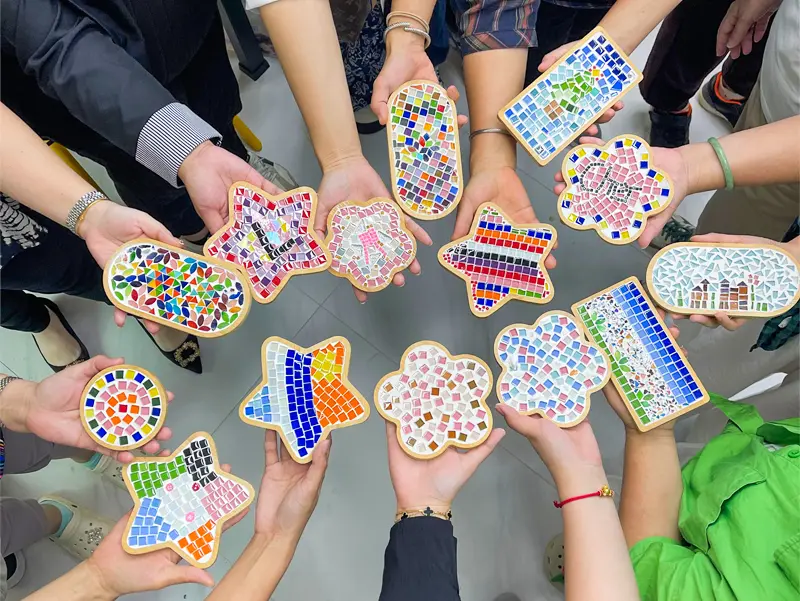
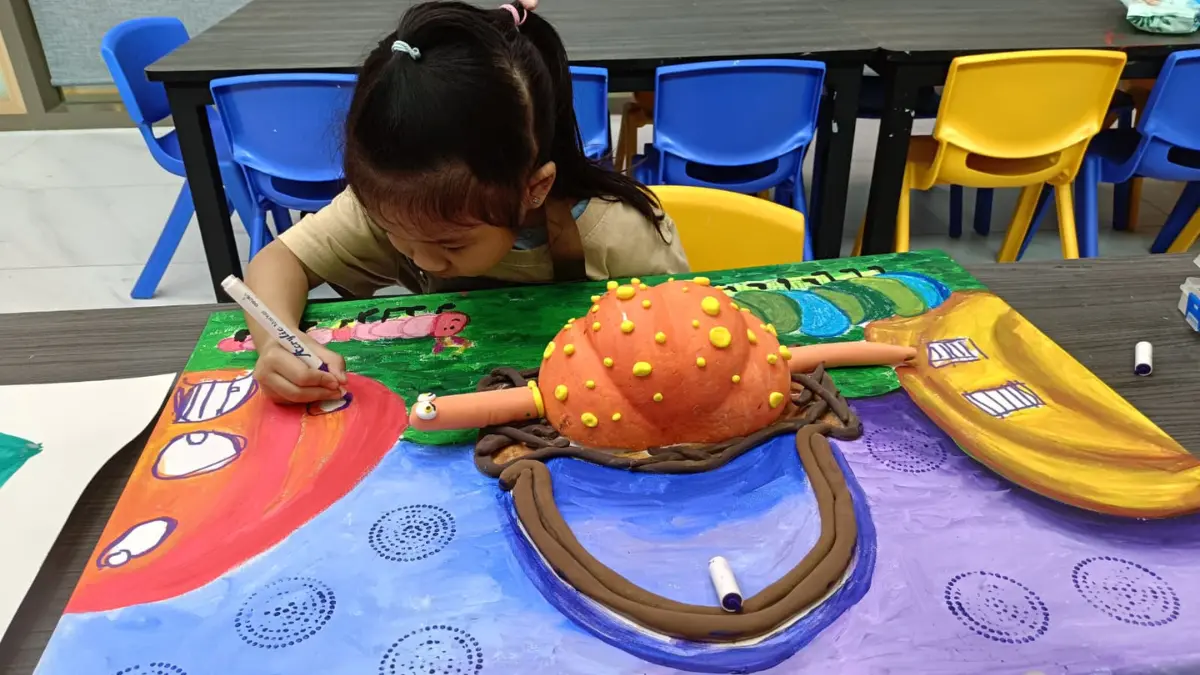
Look for a programme that goes beyond paper and pencil. Studios that incorporate clay, tin foil, mixed media, sand art, mosaic tiles, cardboard structures, and 3D elements give children a much richer experience. Younger children, in particular, benefit from tactile and sensory-heavy materials — it's how they process the world at that age.
At Art Journey, for instance, each workshop session uses a wide variety of hands-on materials, so a child might work with clay one week and build with recycled cardboard the next. That variety keeps things fresh and teaches children to problem-solve across different mediums.
Consider Your Child's Age — and What That Age Truly Needs
A 4-year-old and an 8-year-old have very different needs when it comes to art. This sounds obvious, but many programmes in Singapore lump a wide age range into one class and hope for the best.
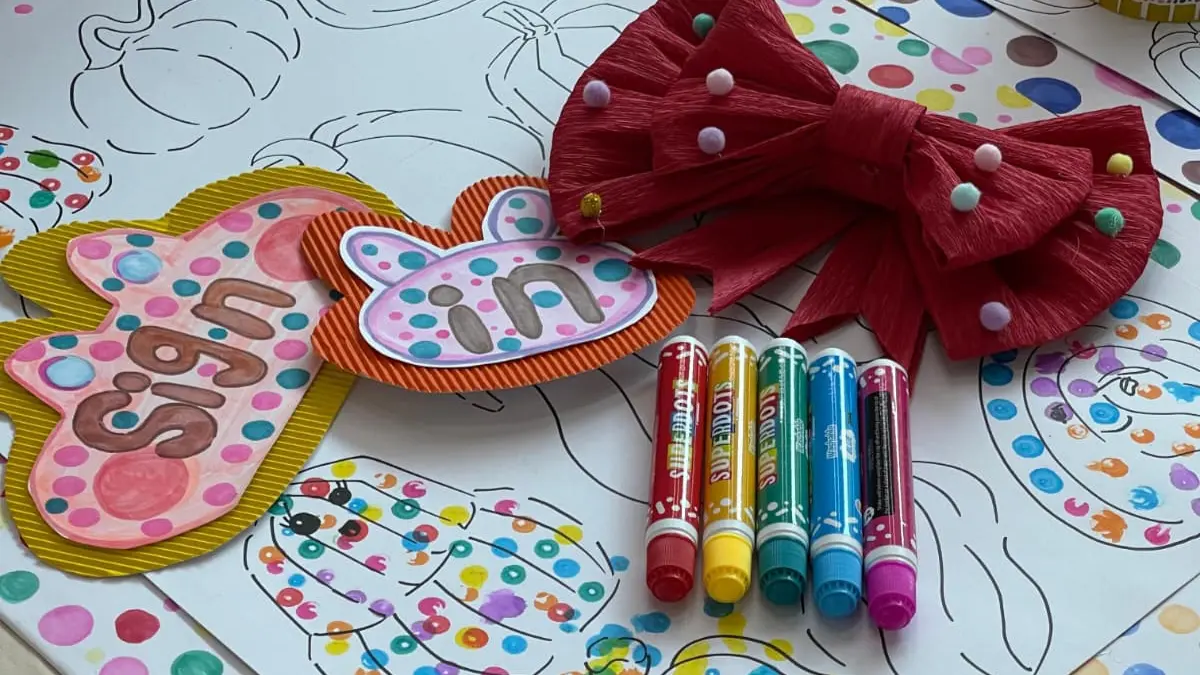
For children aged 3 to 6, the priority should be exploration, sensory engagement, and building creative confidence. They're not ready for formal technique lessons, and pushing too hard too early can actually make them dislike art. What works brilliantly at this stage is theme-based creative play — animals, nature, festivals, storybooks — where every child can participate at their own level.
For children aged 7 and above, a little more structure works well. They can handle guided projects, learn to observe details, and start developing specific skills like perspective, colour mixing, and composition. But even here, the best classes still leave room for personal interpretation.
Before enrolling your child, ask the studio: what's the age range for this group, and how do you adapt for different levels within the same session? A good programme will have a clear answer.
Traditional Art Learning vs. the Art Journey Experience
Every child learns differently. Here's a straightforward comparison so you can see which approach might suit your child best.
| What to Compare | Traditional Art Class | Art Journey Experience |
|---|---|---|
| Teaching approach | Syllabus-based, teacher-led progression | Theme-based creative exploration inspired by Piaget, Montessori & Reggio Emilia |
| Focus | Technique and skill improvement | Imagination, expression & "Dare to Draw, Dare to Express" |
| Schedule | Fixed weekly schedule, term commitment | Flexible sessions — join anytime, no long-term lock-in |
| Materials | Primarily drawing & painting tools | Wide variety: clay, tin foil, sand, mosaic, mixed media, cardboard & more |
| Output | Gradual portfolio built over a term | Completed artwork every 2 sessions |
| Starting age | Often 7 years and above | Welcomes children from 3 years old |
| Environment | Classroom-style, structured | Relaxed, playful, confidence-building space |
| Assessment | Grading or progress reports common | No pressure, no grading — just genuine creative expression |
| Skills developed | Technical drawing & painting ability | Observation, creative thinking, confidence & artistic expression |
Look at the Environment, Not Just the Artwork on the Wall
When you visit a studio, look beyond the finished pieces pinned up for display. Instead, pay attention to the energy in the room. Are the children engaged and chattering happily about what they're making? Or are they sitting silently, copying from a reference sheet?
The physical space matters too. A warm, colourful studio with easy access to materials tells you the programme values hands-on exploration. A rigid, desk-in-rows setup tells you something different.
For younger children especially, a playful, low-pressure environment is important. If a child feels judged or anxious, they won't experiment — and experimentation is where the real learning happens.
7 Quick Questions to Ask Before You Sign Up
Take this mental checklist the next time you're evaluating a programme:
What's the teaching philosophy?
If they can't explain it clearly, they probably don't have one. Good studios know their "why."
What's the class size and age range?
Smaller groups (under 10) mean more attention. Mixed-age groups are fine if the teacher adapts well.
Can my child join for a trial?
Any confident programme will let your child try a session. If they won't, that's a red flag.
What materials do children work with?
Variety is a sign of a well-thought-out curriculum. Ask to see the actual materials, not just the website photos.
How do you handle a child who "can't draw"?
The answer to this question reveals everything. The best educators reframe the conversation entirely — every child can express themselves; the medium and encouragement just need to match.
Is there a fixed schedule, or can we be flexible?
Singapore families are busy. Flexible booking (like drop-in workshop models) can be a lifesaver for parents juggling school, tuition, and weekend plans.
Does my child bring home finished work regularly?
Children thrive on a sense of achievement. Knowing they'll walk away with something tangible keeps motivation high.
Why Art Journey Takes a Different Path
We built Art Journey around one core belief: art should make every child feel capable, not tested.
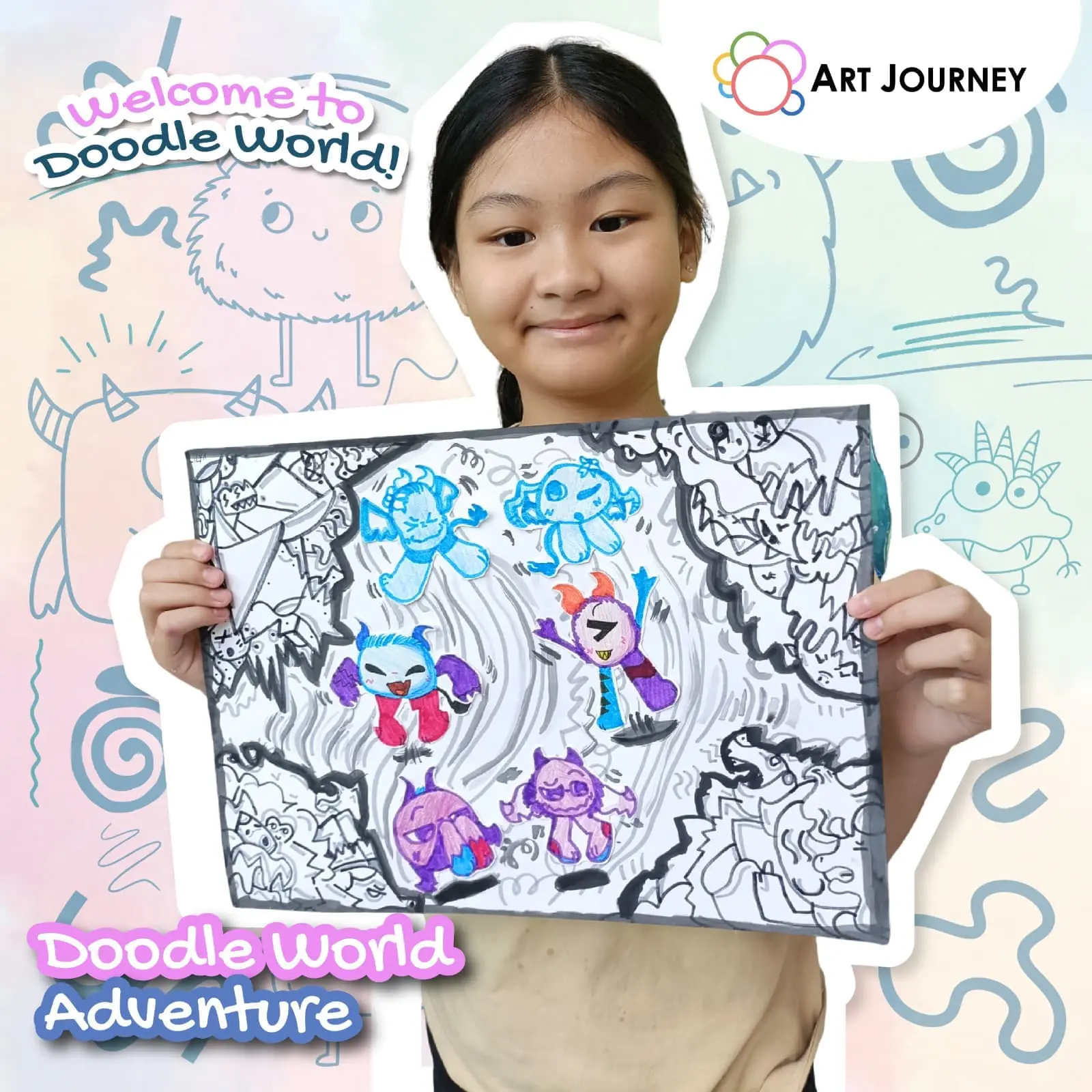
Our workshops are designed for children from age 3 onward, and every session is theme-based — not template-based. Children don't copy a model from the board. They respond to a creative prompt, choose their materials, and build something that's genuinely theirs. Some sessions focus on nature, some on festivals, some on storytelling. The variety keeps children curious, and the open-ended format lets each child shine in their own way.
We draw inspiration from established child development theories — including the constructivist ideas of Piaget (that children build understanding through active exploration), Montessori's emphasis on independence and sensory learning, and the Reggio Emilia belief that children communicate through "a hundred languages" beyond words — including drawing, building, sculpting, and painting.
And here's something parents tell us they appreciate: every two sessions, your child completes a finished artwork they can bring home. It's not about perfection — it's about giving your child a real sense of accomplishment.
What parents often say: "My daughter used to say she 'can't draw.' After a few sessions at Art Journey, she stopped saying that. She just starts creating now — without hesitation."
A Quick Checklist: Signs You've Found the Right Art Programme
- Your child comes out smiling and wants to talk about what they made
- The teacher knows your child's name and interests
- There's no single "correct" outcome — children's work looks different from each other
- Materials go beyond basic paint and crayons
- The environment is warm, relaxed, and encourages curiosity
- You're not locked into a rigid long-term contract
- Your child brings home finished work they're proud of
- The studio can explain its teaching approach clearly
If you're still deciding between a recurring art class and a session-based workshop format, we've written a detailed comparison that might help: Art Class vs Art Workshop — Which Is Better for Your Child in Singapore?
Frequently Asked Questions
What age should a child start art classes in Singapore?
Many children can begin structured creative exploration from around 3 years old, especially in programmes designed for younger learners. Workshops that use tactile materials like clay, sand, and mixed media are ideal for this age group because they support sensory development and fine motor skills.
How do I know if an art class uses a child-centred teaching approach?
Look for programmes that encourage children to make their own creative choices rather than follow a fixed template. Child-centred classes typically emphasise process over product, offer varied materials, and adapt to each child's pace and interest. Approaches inspired by Reggio Emilia, Montessori, or Piaget's developmental theory are strong indicators.
What is the difference between an art class and an art workshop?
Art classes tend to follow a recurring schedule with syllabus-based progression, while art workshops are typically session-based and theme-driven. Workshops often let children explore a wider variety of materials and complete standalone projects. You can read more in our detailed comparison post.
Do kids need to have art talent before joining a class?
Not at all. A good art programme welcomes children at every skill level. The goal is not to produce gallery-ready work — it's to build observation skills, creative confidence, and the willingness to express ideas freely.
Should I choose an art programme close to home or prioritise quality?
Convenience matters, especially for younger children. But a slightly longer commute to a programme that genuinely nurtures your child's creativity can make a meaningful difference. Consider doing a trial session before committing to any programme.
How often should my child attend art sessions?
Once a week is a good starting point for most families. Consistency helps children build on what they've learned, but even fortnightly sessions can be beneficial — especially in programmes where each session is self-contained and doesn't require catching up.