



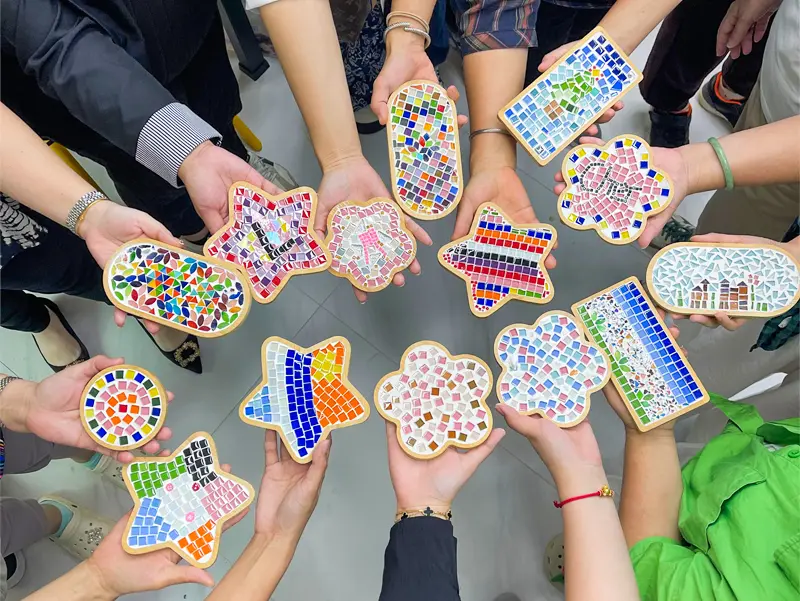

Walk into any art studio and you'll usually be asked one question: "What would your child like to make?" But most parents don't actually know — they just know their child likes "art" in a general sense. The truth is, the right art format depends far less on age or skill and far more on personality. A fidgety child and a perfectionist child will have completely different experiences with the exact same canvas and paintbrush. This guide matches six common child temperaments to the art formats that tend to click — so your next booking is less of a guess and more of a good fit.
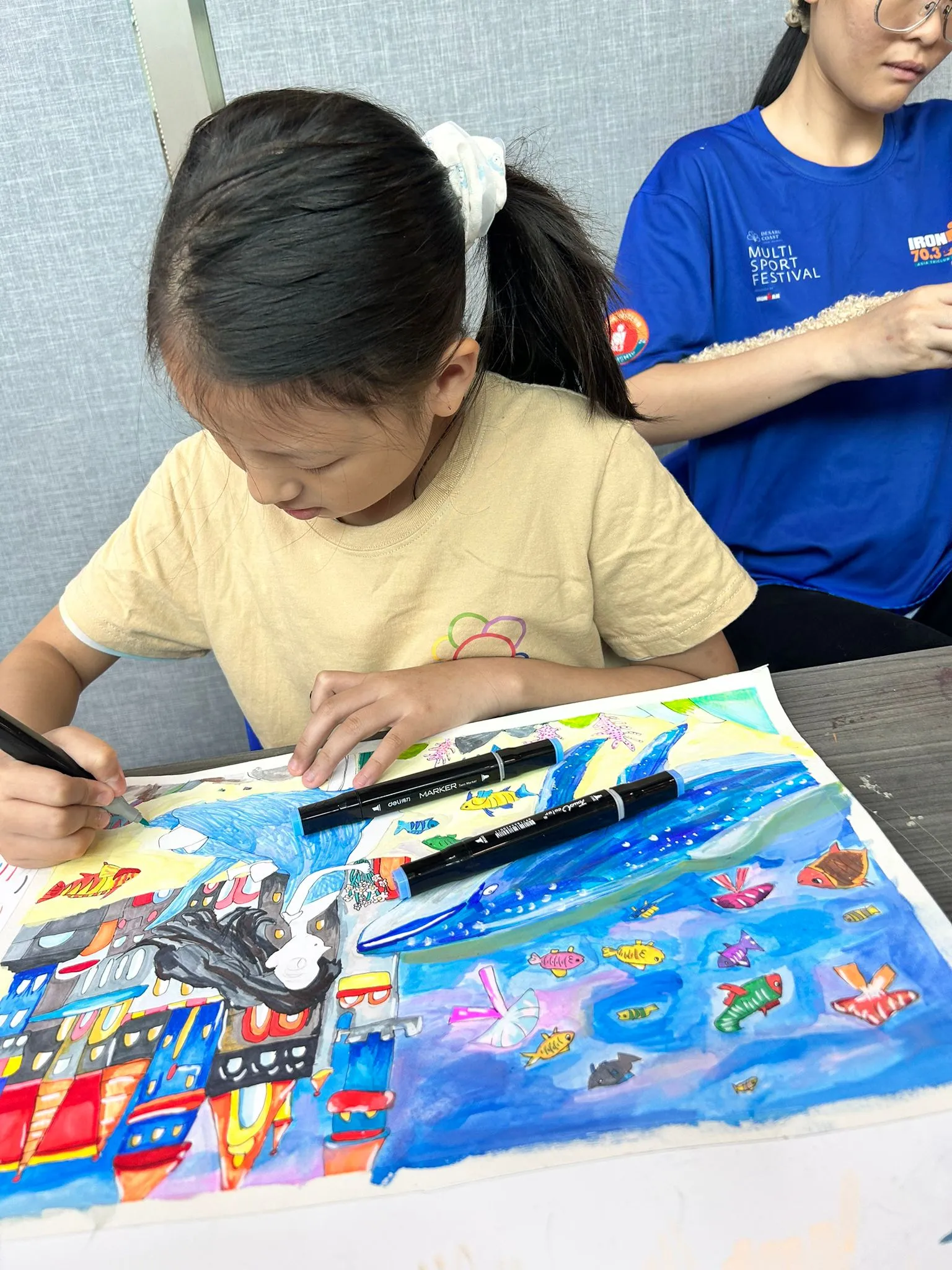
This isn't a scientific personality test — it's a practical pattern we've noticed across thousands of sessions at Art Journey. Most children show some blend of these traits, so don't worry about picking the "exact" match. Read through all six, and you'll likely recognise your child in two or three. Start there.
This child struggles to sit still for more than a few minutes. They touch everything, ask "what's this for?" constantly, and get bored fast if an activity doesn't change. Traditional flat painting often frustrates them — too slow, too quiet, too "samey."
This child erases constantly, gets visibly upset over "mistakes," and sometimes refuses to start because they're scared it won't look right. They're often advanced for their age — which paradoxically makes them harder on themselves.
This child watches before joining in. They're thoughtful, notice small details adults miss, and often prefer working alongside others rather than in the centre of attention. They're not shy exactly — just naturally slower to warm up.
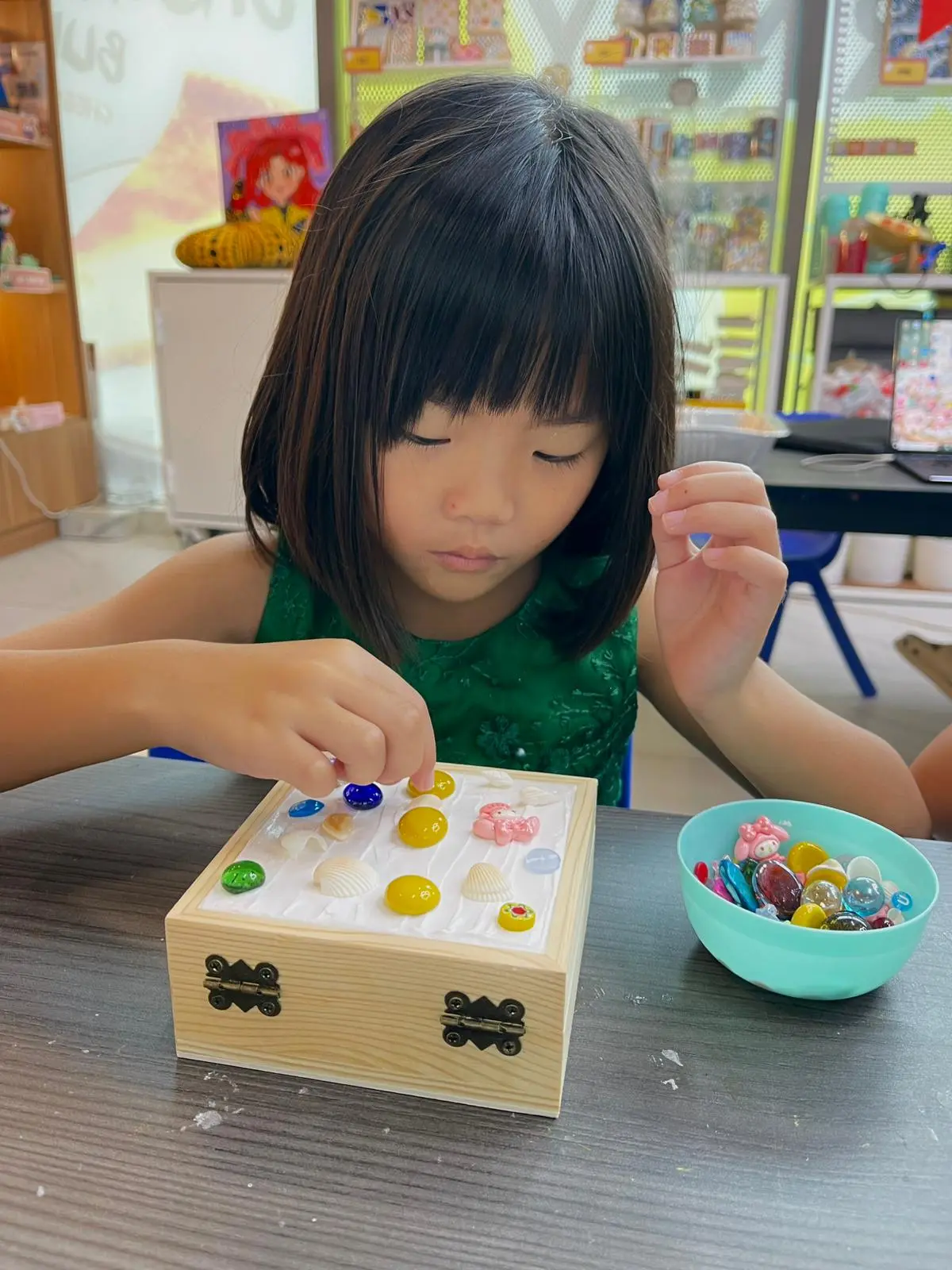
This child narrates everything. Their drawings come with elaborate backstories — "this isn't just a dragon, it's the last dragon guarding a secret cave with a hidden treasure that only glows at night." Flat 2D work sometimes feels too small for what's in their head.
This child says "I'm not good at art" or "I don't like drawing" — often because a past experience (school, a sibling comparison, an offhand comment) convinced them they're "bad" at it. They may actually enjoy creating but have built up real resistance to anything labelled "art."
This child's favourite part of any activity is doing it with someone else. They check in constantly ("look what I made!"), want to compare work with friends or siblings, and find solo, silent activities a bit lonely no matter how interesting the materials are.
| Personality | Key Sign | Best-Fit Format |
|---|---|---|
| Fidgety Explorer | Can't sit still, bored fast | Mosaic Art |
| Perfectionist | Fears "getting it wrong" | Clay or Sand Art |
| Quiet Observer | Watches before joining | Canvas Painting |
| Big Imagination | Elaborate storytelling | 3D Figurine Painting |
| Reluctant Artist | "I can't draw" | Mosaic or Clay |
| Social Connector | Wants company, not solo work | Family/Group Art Jamming |
Most children don't. A perfectionist who's also a quiet observer might do beautifully with canvas painting and benefit from clay on days when they need lower-stakes creating. A fidgety explorer who's also a social connector might thrive most in a group mosaic session. Think of these six types less as boxes and more as a vocabulary — a way to notice what your child actually needs in the moment, rather than what you assumed they'd enjoy.
The good news is that none of this requires a long-term commitment to find out. At Art Journey, every format is available as a single session — so you can simply try one, watch how your child responds, and adjust next time. Many parents discover their child's true match only after one "wrong" guess and one "right" one.
A practical way to use this guide: Before your next booking, ask yourself which signs you saw most this week — fidgeting, frustration over mistakes, quiet watching, elaborate storytelling, "I can't draw" comments, or wanting a friend along. Whichever shows up most often points you toward the format most likely to click on the first try.
For more on how different materials shape a child's creative development, see our guide on 7 mixed-media materials kids are loving. And if you're still deciding between a structured class and a flexible workshop format, our weekly classes vs project-based workshops guide breaks down that decision too.
Canvas, mosaic, clay, figurines, sand art, and family jamming — all available as single sessions at Art Journey. Try the format that fits, with no term commitment. Ages 3+.
Book a SessionLook at how your child naturally behaves rather than their age alone. Fidgety, fast-moving children often do best with mosaic art (constant small tasks). Children afraid of mistakes do well with clay or sand art (forgiving, template-guided). Quiet, observant children often enjoy the slower pace of canvas painting. Matching temperament to format usually matters more than matching age to format.
Mosaic art and clay sculpture are the best starting points for reluctant artists, because neither requires any drawing or painting skill. Mosaic involves arranging pre-cut tiles by colour and position, while clay is shaped entirely by hand. Removing the drawing requirement often rebuilds creative confidence faster than pushing through more painting practice.
Mosaic art tends to work best for fidgety, easily-bored children. Every tile placement is a small, fast decision, which provides the constant stimulation these children need while gradually building sustained focus across the session — often longer than parents expect.
Yes, very normal. A child who seems bored during canvas painting might be completely absorbed during a clay or mosaic session, and vice versa. This isn't about ability — it's about how well the format matches the way that particular child naturally focuses, moves, and processes a task. Trying a few different formats is the easiest way to find out.
Yes. Art Journey offers every format — canvas, mosaic, clay, 3D figurine painting, sand art, and family art jamming — as individual sessions with no term commitment. This makes it easy to experiment and find your child's best-fit format before deciding on a regular routine, if you want one at all.
Most children do — these types are patterns, not strict categories. A child might be a quiet observer most of the time but show perfectionist tendencies under certain conditions. Use the signs as a general guide rather than a rigid label, and don't hesitate to try a different format next time if the first choice didn't click.