

12 Fun Art Workshop Games That Keep Kids Engaged
Pass-the-Painting
Start with one child making a simple mark or drawing. After a minute, pass the artwork to the next child to add something. Continue until everyone has contributed. The final artwork is always unique and hilarious!
Scribble Challenge
An instructor makes a random scribble on paper. Kids must turn it into something recognizable — a face, an animal, or a scene.
Color Hunt
Give kids a color (like blue or green) and ask them to quickly paint or draw objects that match it. For example, "blue sky," "green leaf," or "yellow sun."
Story-Art Game
Begin with a story starter, then let kids draw what happens next. Each child adds a drawing to continue the story until a funny or surprising ending emerges.
Mystery Drawing Bag
Fill a bag with random objects like a toy car, spoon, or flower. Each child picks one without looking and must draw it creatively.
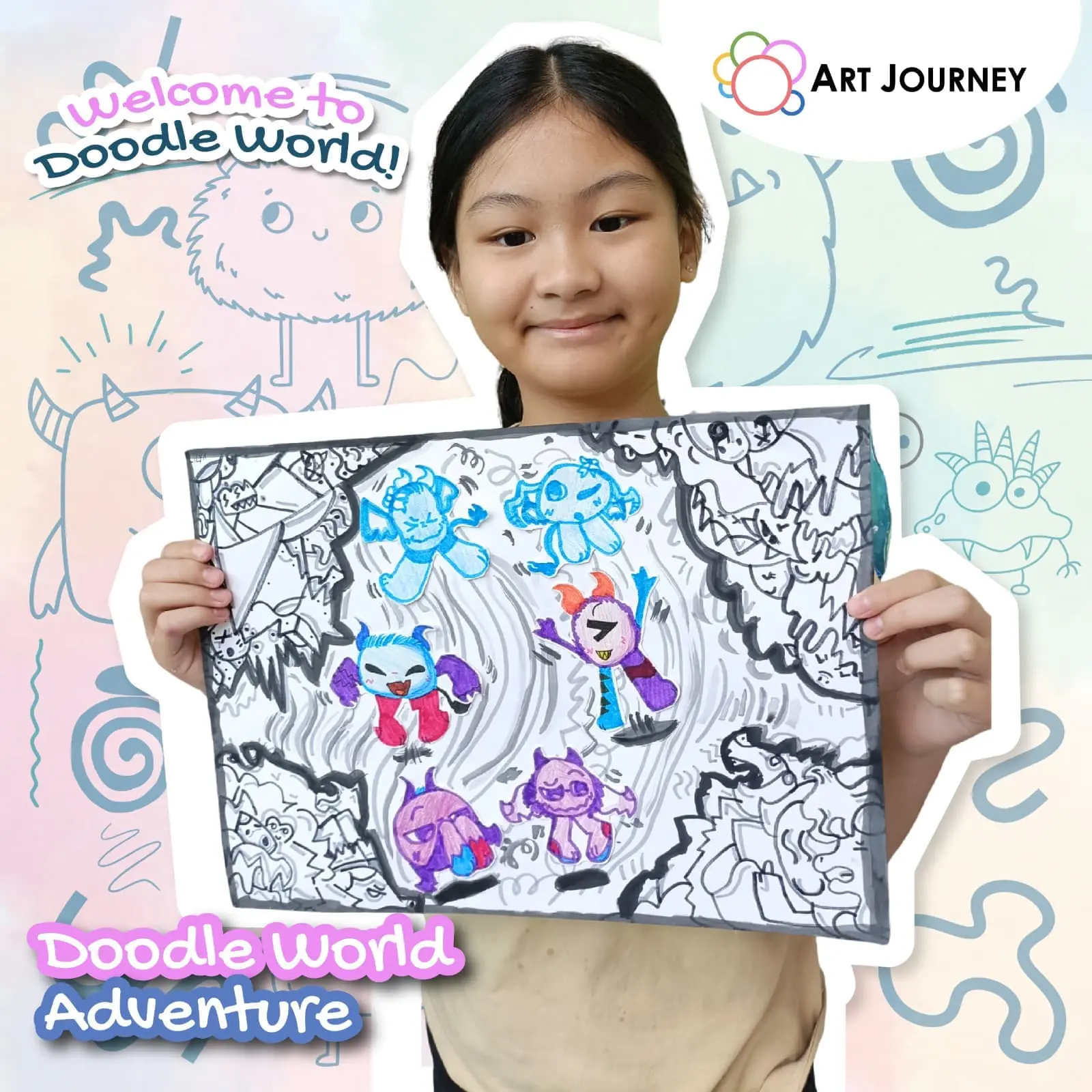
Team Mural Race
⭐ Group FavouriteDivide kids into small teams and give each team a section of a mural to complete. Add a fun twist — set a timer! When the time's up, reveal the full mural.
Art Charades
Similar to Pictionary, kids take turns drawing while teammates guess the word or phrase. Topics can be animals, objects, or holiday themes.
Blindfold Art Game
Kids take turns drawing simple shapes or objects while blindfolded, guided by verbal instructions from friends.
Collaborative Collage
Provide magazines, colored paper, and glue. Assign a theme (like "dream city" or "underwater world") and let groups build a giant collage together.
Speed Sketch
Set a timer for 1–2 minutes and give kids a prompt, like "a flying cat" or "a dancing tree." They must sketch quickly and show their drawings at the end.
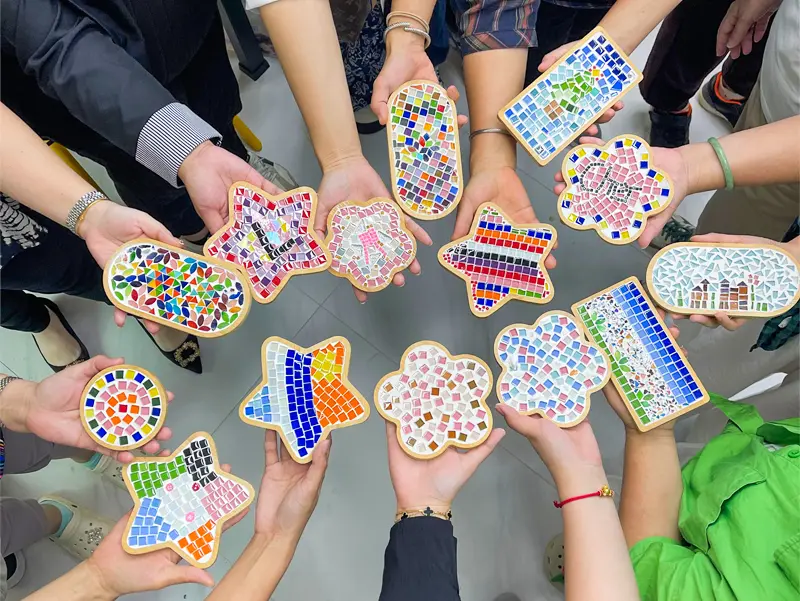
Mosaic Puzzle Challenge
⭐ Art Journey PickEach child decorates a small tile or paper square. At the end, the tiles are joined together to form a surprise group artwork.
Paint to Music
Play upbeat or relaxing music and let kids paint freely to the rhythm. When the music changes, they adjust their style.
Why Games Matter in Art Workshops
Adding games to art sessions keeps energy levels high and ensures kids stay focused. Games also:
In Singapore, creative spaces like Art Journey integrate these games into workshops, giving children not just a chance to make art, but to laugh, connect, and have fun along the way.