
10 Best Kids' Art Classes in Singapore [2025 Guide for Parents]
Art Journey Singapore – Creativity Meets Fun
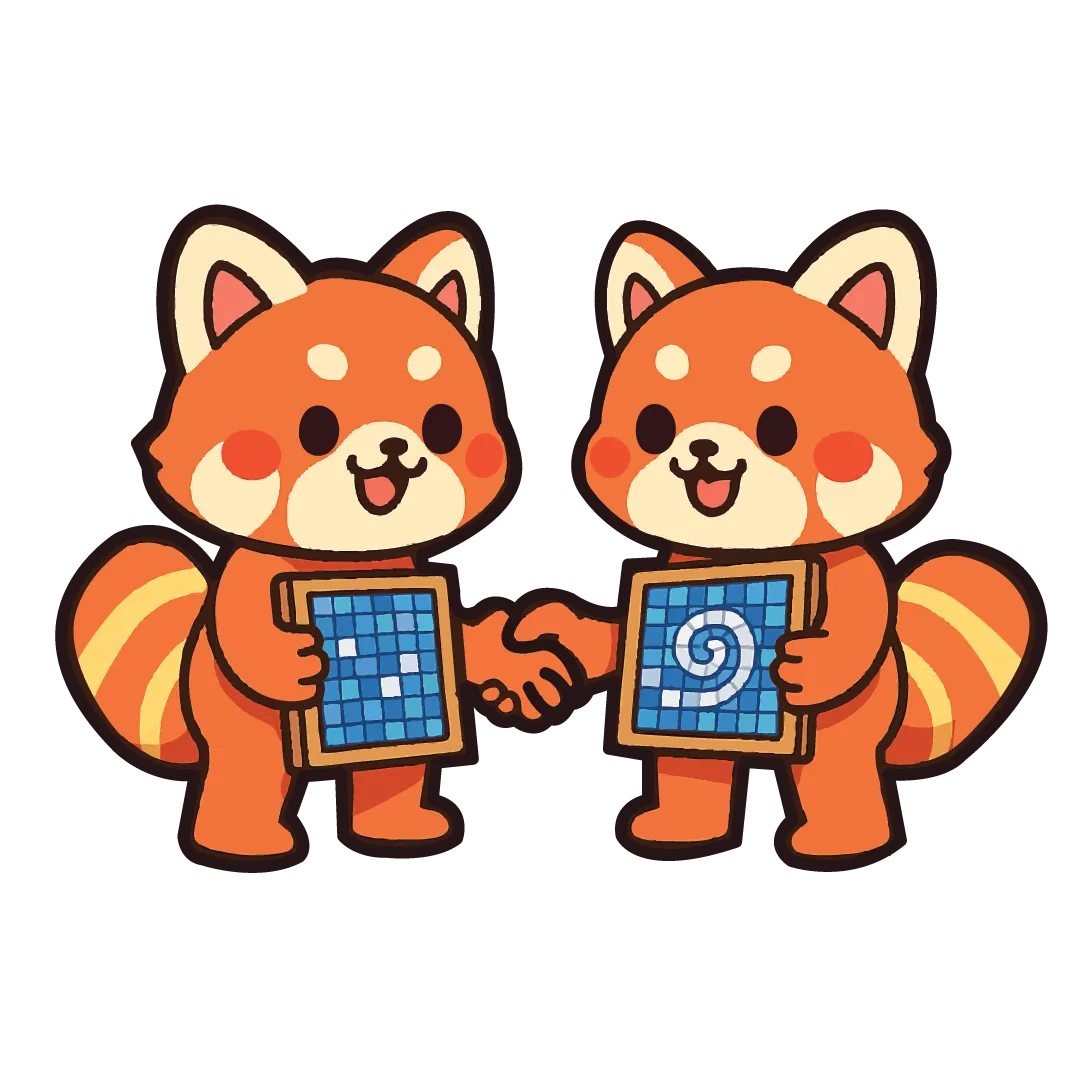
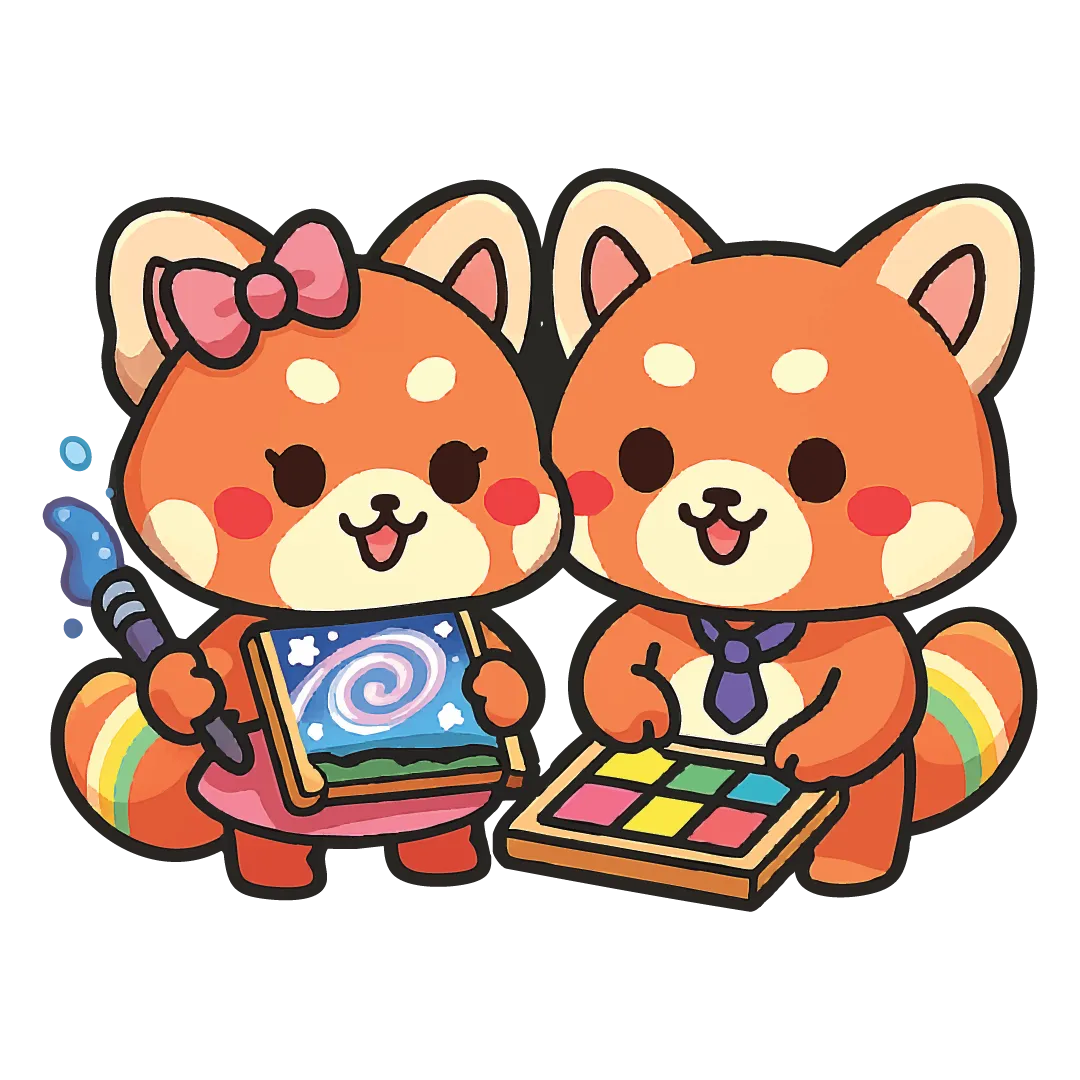
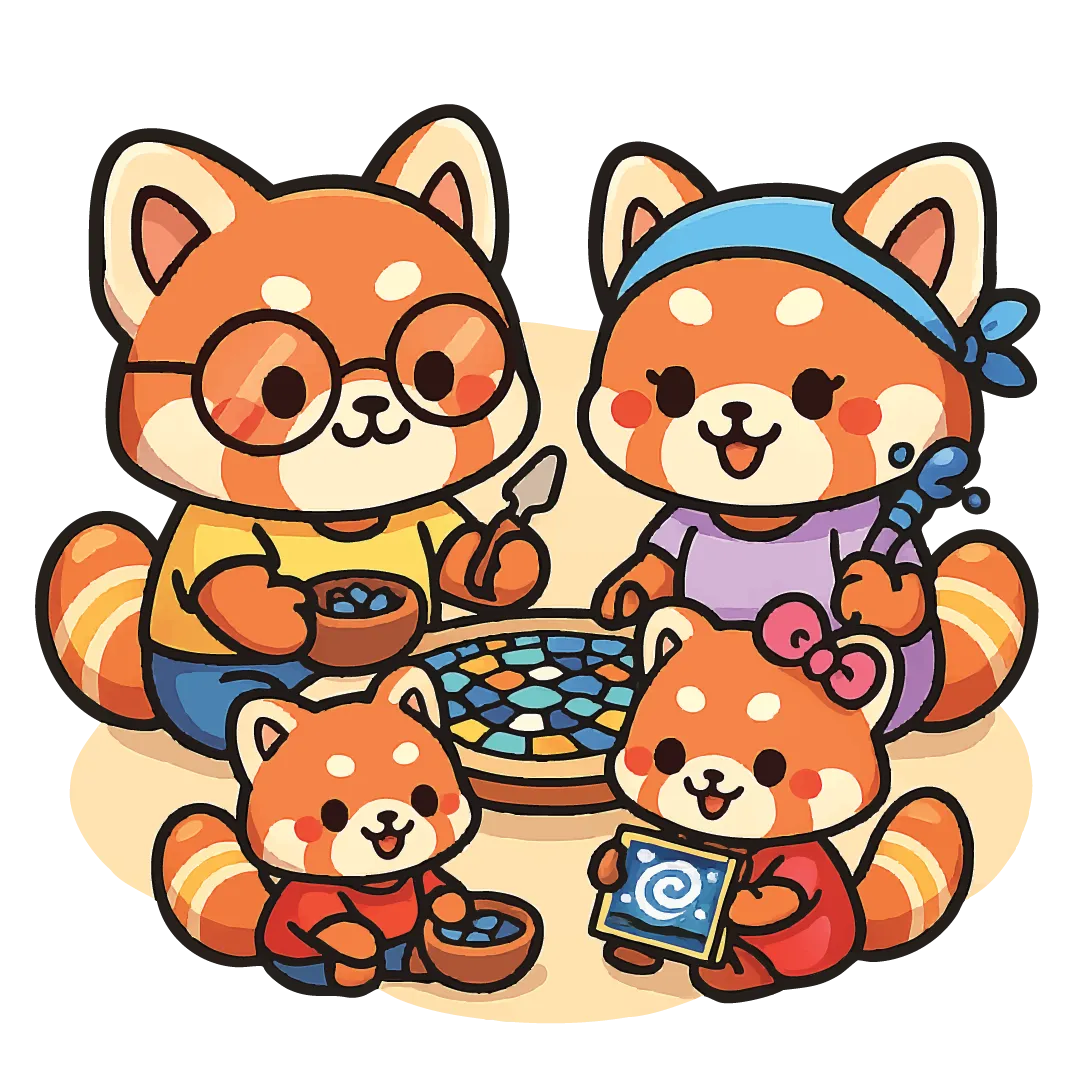
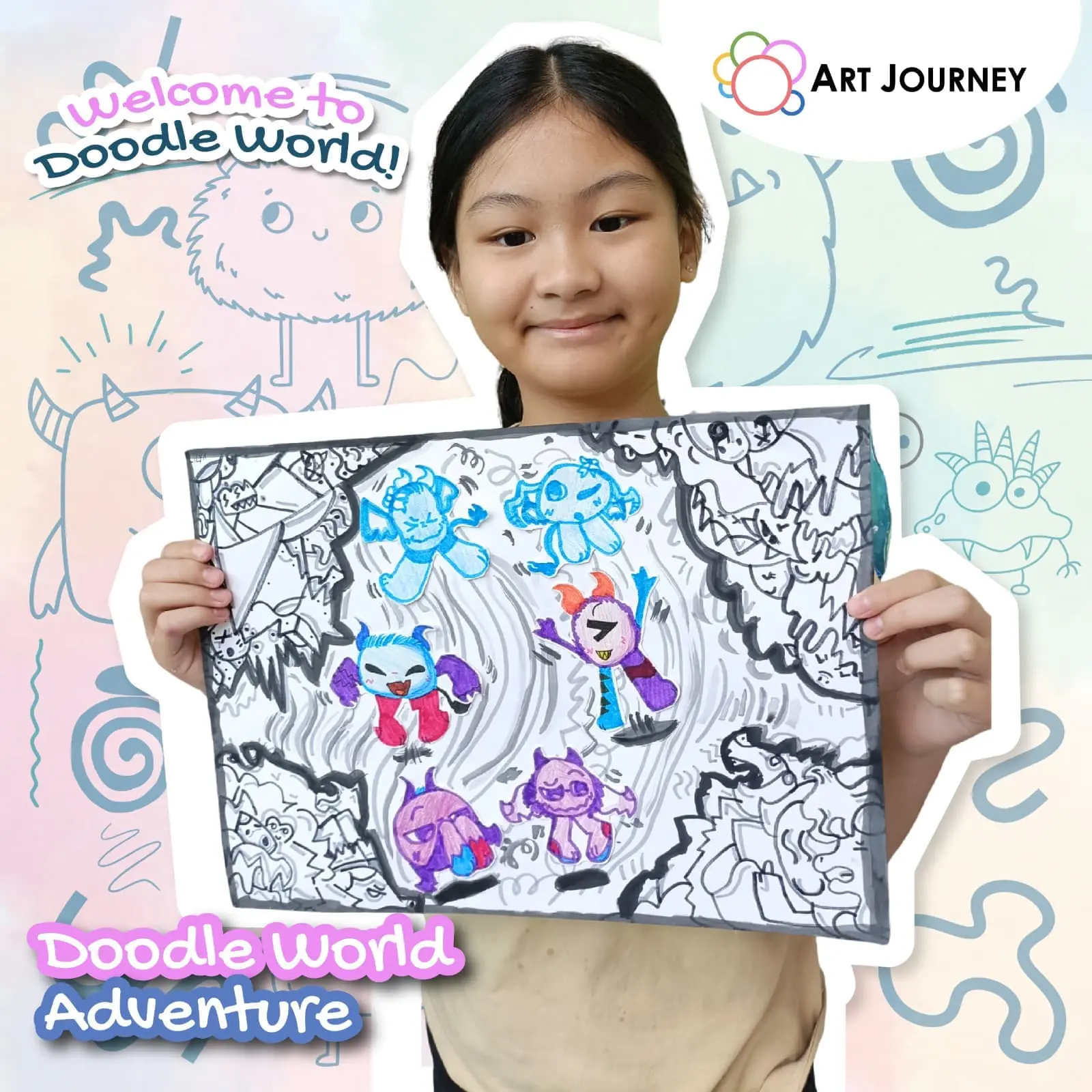
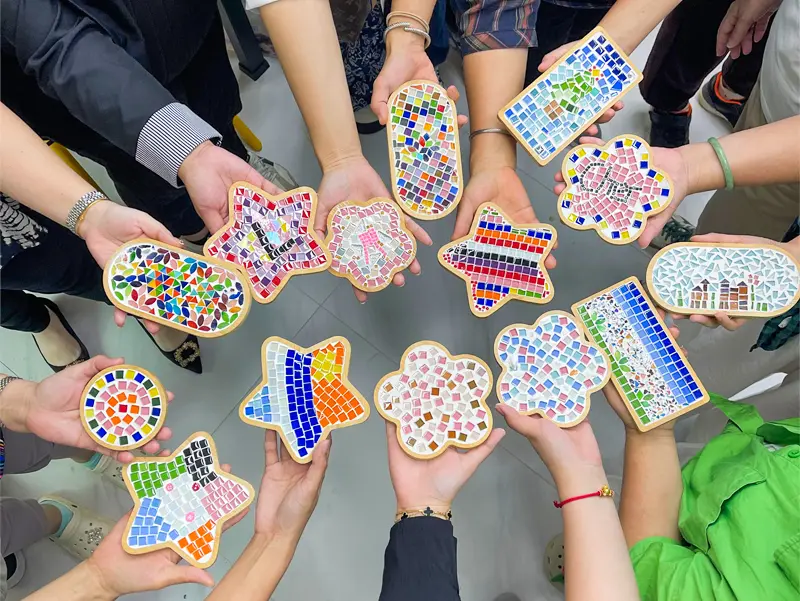
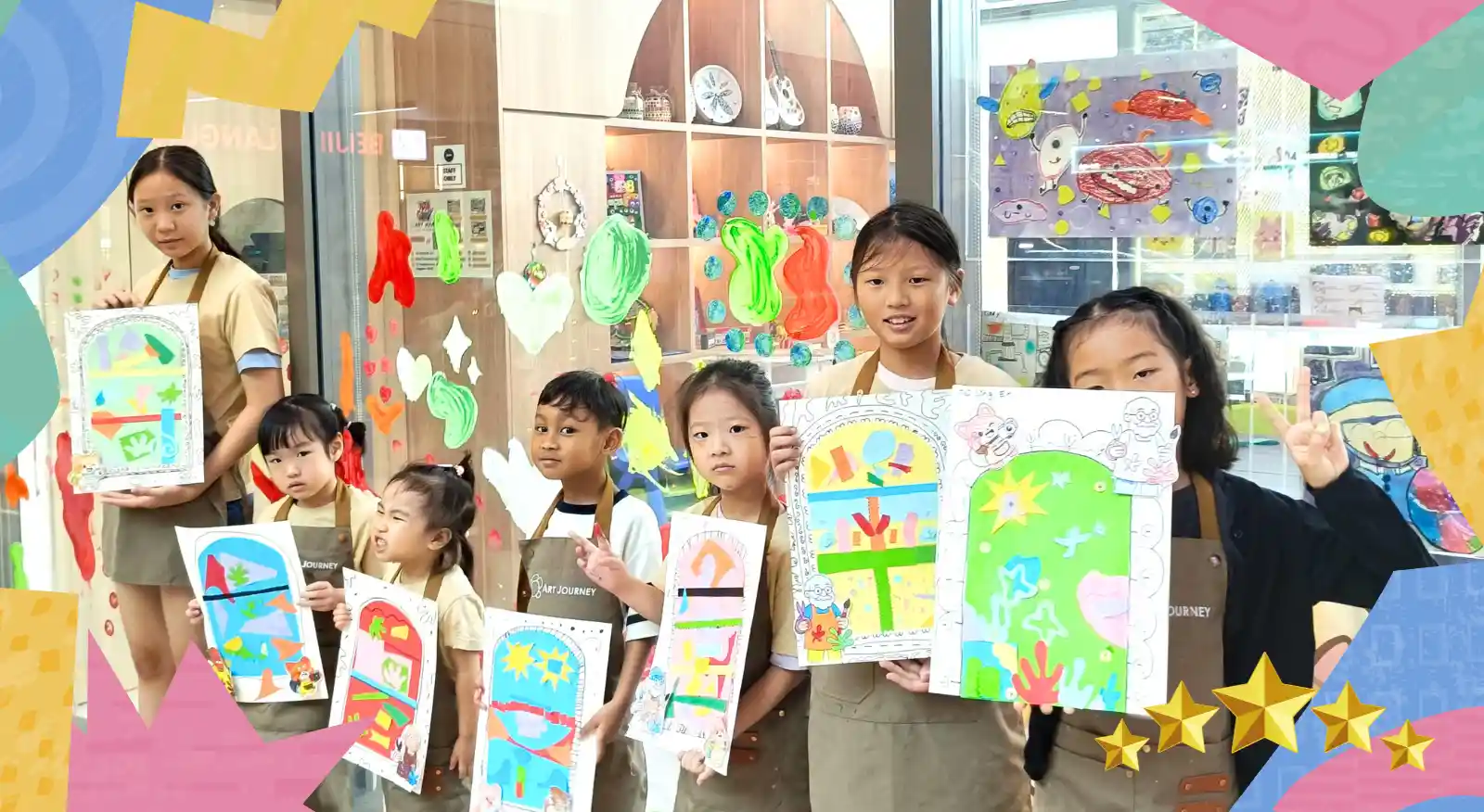
⭐ Top PickLocated at Plantation Plaza, Art Journey offers a warm, family-friendly environment where kids can express their creativity freely. Their workshops include mosaic art, canvas painting, and parent–child bonding sessions, perfect for children aged 4 to 12. Parents love Art Journey's mix of structured learning and playful exploration, where every child leaves with both a masterpiece and a smile.
Abrakadoodle Art Studio
A global franchise, Abrakadoodle focuses on process art — where children explore different materials and techniques rather than just creating a final product. Their creative camps and holiday programs encourage imagination and experimentation.
Little Artists Art Studio
This long-standing studio offers professional-level art instruction for kids aged 4 and up. From drawing basics to advanced painting, Little Artists is ideal for children who want to build strong art fundamentals.
Heart Studio
Heart Studio believes every child is an artist at heart. Their small class sizes and nurturing instructors ensure individual attention. They teach cartooning, still-life drawing, and imaginative painting for kids of various ages.
The Artground
More than an art studio, The Artground is an interactive arts play space. It combines exhibitions, performances, and creative play sessions that introduce toddlers and young children to art in a hands-on, fun way.
Artgrain
Artgrain's curriculum blends art techniques with creative thinking. Kids learn sketching, watercolor, acrylics, and mixed media through age-appropriate lessons that build confidence and visual skills.
My Art Pencil
Perfect for primary school students, My Art Pencil teaches fine art fundamentals while promoting creative expression. Their "Mini Picasso" program lets young children experiment with color and form in a safe environment.
Tree Art Studio
Tree Art offers a mix of art and emotional learning. Their programs use art as a tool to boost focus, empathy, and self-expression — ideal for children who are shy or need more confidence.
Studio Miu Art
Studio Miu combines Japanese art education principles with modern creativity. Their structured lessons help kids learn proper techniques while developing their own artistic voice.
Da Vinci Group
Da Vinci's neuroscience-inspired art programs help kids connect creativity with learning. Their art-based brain development approach makes lessons fun and educational at the same time.
What to Look For in a Kids' Art Class
When choosing an art class for your child, consider these key factors:
🎂 Age Suitability
Classes should match your child's developmental stage.
👥 Class Size
Smaller groups mean more individual attention.
🎨 Teaching Approach
Look for a mix of skill learning and creative freedom.
👨🏫 Instructor Experience
Friendly, patient teachers make all the difference.
🌈 Atmosphere
A safe, colorful, and relaxed environment keeps kids engaged.
Studios like Art Journey Singapore balance all these elements beautifully — combining learning with laughter and imagination.
Why Art Classes Matter for Kids
Regular art participation helps children:
In short, art classes do more than just teach painting — they shape young minds in ways that last a lifetime.
Next festival:
Once the lanterns are packed away, October brings its own creative season — see our guide to Halloween art activities for kids in Singapore.