

You're staring at your child's class list, trying to decide who makes the cut. Invite the whole class of 30 and it's chaos, expense, and a venue that can't fit everyone. Invite only 5 close friends and you risk hurt feelings, awkward classroom dynamics, or a party that feels too quiet for a 7-year-old's energy levels. There's no universally "right" number — but there is a smarter way to think about it than just guessing.

Most party planning advice tells you to "consider your venue capacity" and moves on. That's only half the picture. The number of children at a party fundamentally changes how the party feels — for your child, for the other kids, and for you as the host. Here's how to actually think it through.
This size works best for younger children (ages 3–5), for kids who get overwhelmed easily, and for activity formats that need individual instructor attention — like detailed figurine painting or clay sculpting. With this few children, every guest gets noticed, every child finishes their project without rushing, and clean-up takes minutes rather than an hour.
The trade-off: if your child has a large friend group or close-knit class, a guest list this small can create visible hurt feelings among the kids who weren't invited — especially from age 6 onwards, when children start noticing and comparing.
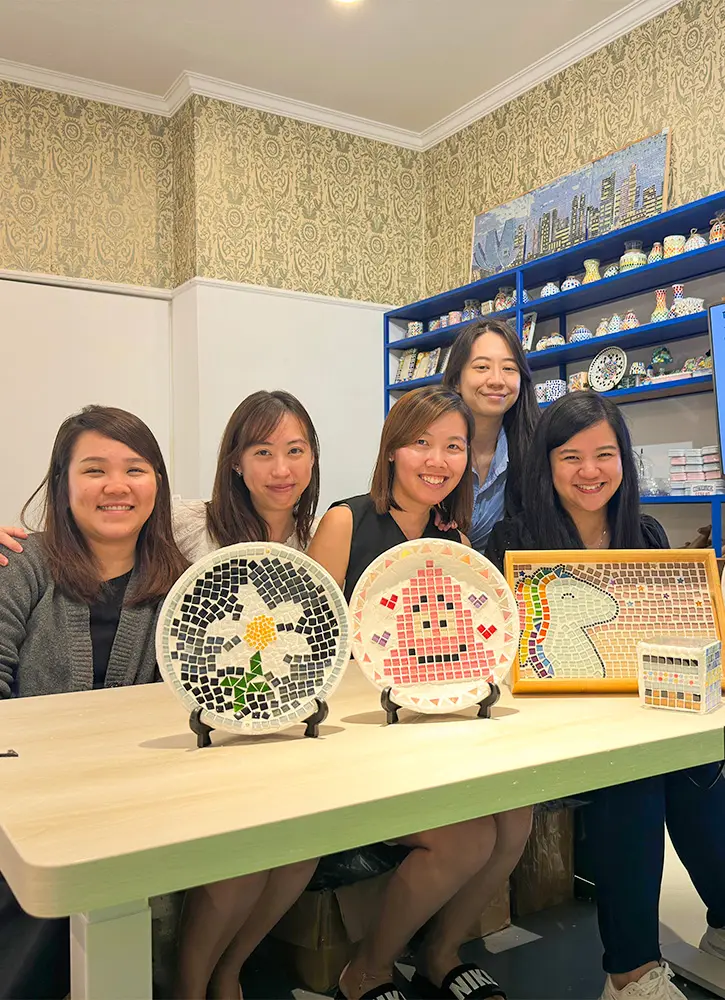
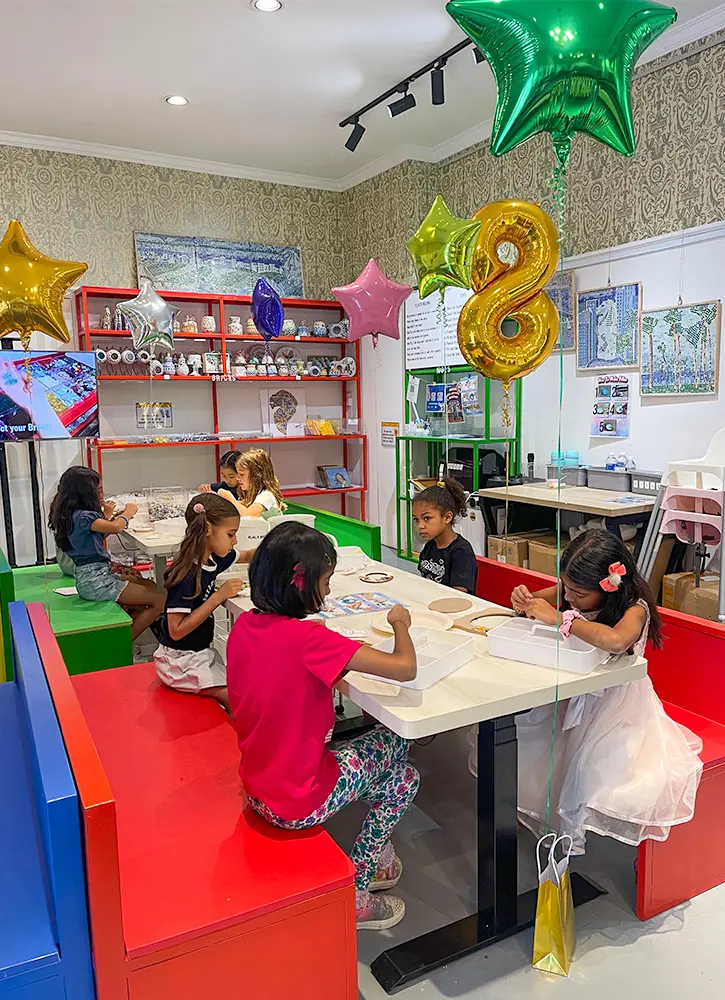
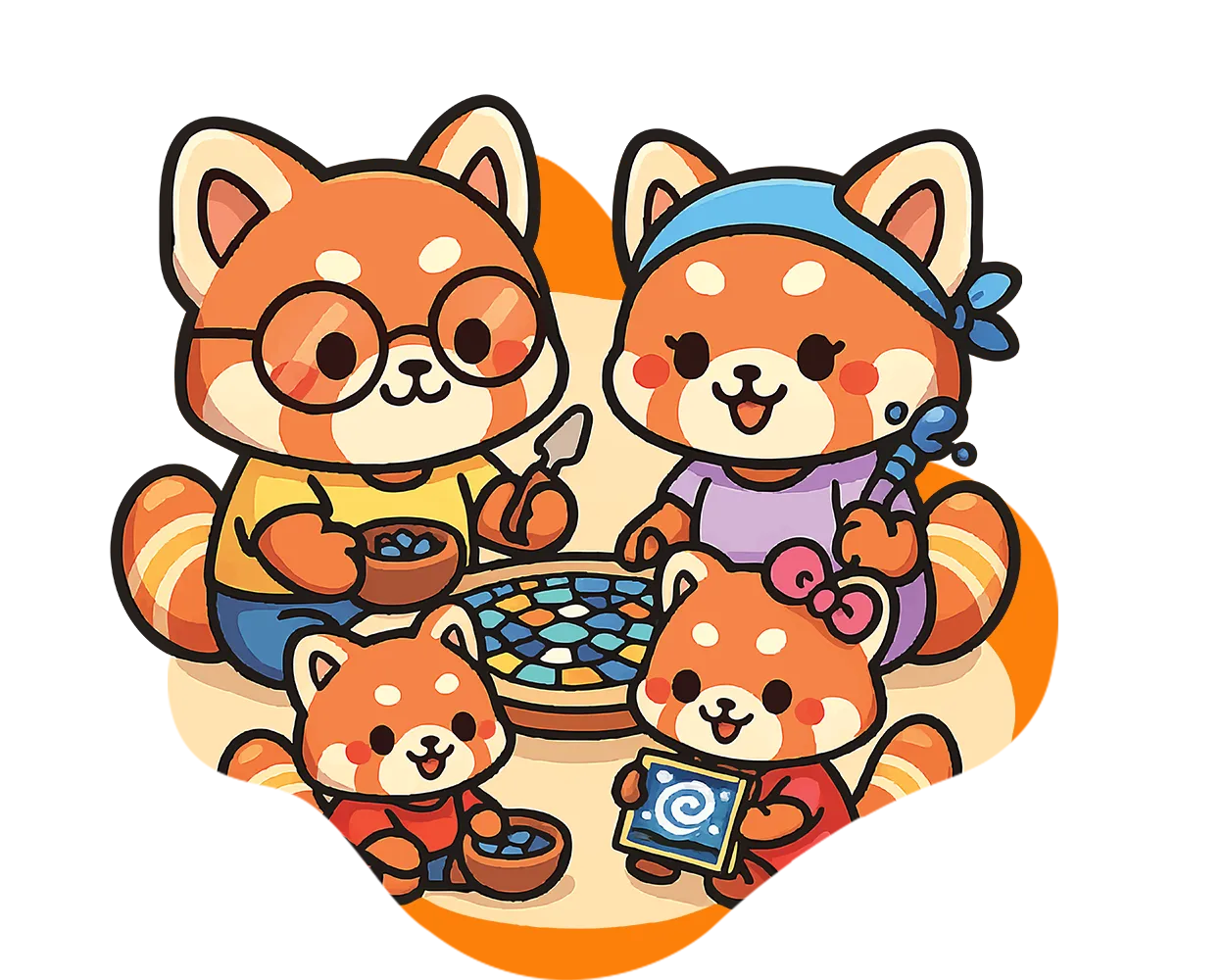
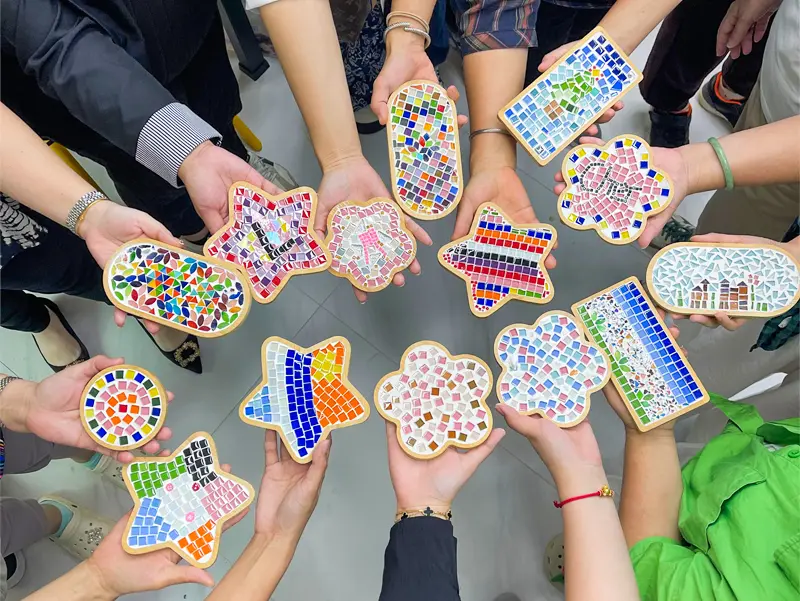
This is the size most party venues and packages are actually built around — including most Art Journey birthday packages. It's large enough to invite an entire class or friend group without anyone feeling singled out, but still small enough that one or two instructors can give meaningful attention to each child during a creative activity. Group formats like mosaic art work particularly well here — every child gets their own piece, but the shared tables create a natural group energy.
The trade-off: costs scale linearly in this range, so 15 children costs roughly double what 7 does. Budget accordingly before finalising your list.
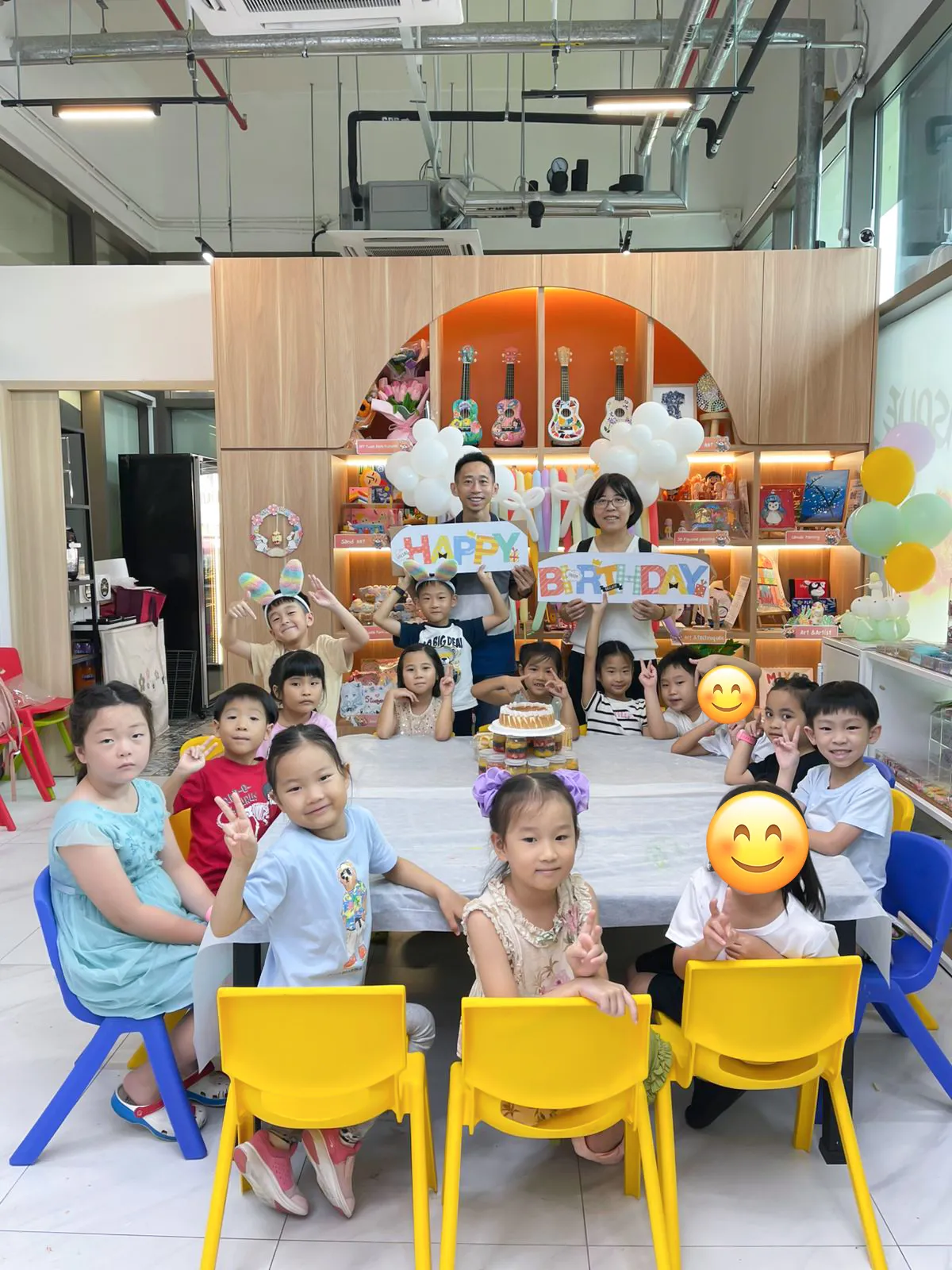
This size avoids the "who didn't get invited" problem entirely — usually because it includes the entire class or grade. But it fundamentally changes the kind of party you can run. Highly detailed, instructor-guided activities become difficult to manage at this scale; simpler, more independent formats like sand art or pre-set craft stations tend to work better because children can self-manage more of the process.
The trade-off: noise, supervision needs, and total cost all increase significantly. Most venues — Art Journey included — recommend additional helpers (parents or staff) once you cross 15–18 children to keep the experience smooth rather than chaotic.

Age matters more than most parents expect when deciding guest list size — younger children need more supervision per head, while older children can handle bigger groups more independently.
6–10 children is usually the practical ceiling. Younger kids need more individual help, get tired faster, and a smaller group keeps the energy manageable for both kids and parents.
10–15 children works well. This is the age where whole-class invites start mattering socially, and kids are independent enough to follow group instructions without constant 1-on-1 help.
12–20+ children is manageable. Pre-teens are largely self-sufficient during activities, and friend groups at this age tend to be larger and more fluid, making bigger guest lists feel natural.
Most birthday packages are priced per child, which means the total cost scales directly with your guest list — but the cost per child often drops as numbers increase, since venue and instructor time gets spread across more guests. Here's a simplified illustration using a typical art-based party package:
This is illustrative only — actual pricing depends on the specific package and activity format chosen. The takeaway is structural, not exact: a bigger guest list usually costs more in total but less per child, so "smaller is always cheaper" isn't quite true once you account for fixed costs like venue booking and instructor time.
Start with your child's age — use the age guidance above as your realistic range, not a rigid rule.
Then ask: whole class, or close friends only? If your child is in a small, stable class (common in many Singapore primary schools), whole-class invites often avoid social friction entirely — everyone gets included, no one feels left out. If your child has a wide friend circle across school, CCA, and the neighbourhood, a curated smaller list is usually more practical and won't create the same "why wasn't I invited" dynamic, since not everyone expects to be on every list.
Then match the activity to the number. Detailed, instructor-heavy formats (figurine painting, clay) work best with smaller groups where each child gets real guidance. Simpler, more self-directed formats (sand art, mosaic, craft stations) scale more gracefully to larger crowds.
Finally, sanity-check against your own capacity. Are you hosting, or is a venue handling logistics? A studio party at Art Journey absorbs most of the supervision and clean-up regardless of size, which makes the "is this too many kids" question less stressful than hosting the same group at home.
A practical rule of thumb: If you're unsure, lean smaller rather than larger for your first art-based party. It's much easier to say "let's invite more people next year" than to manage a group that's outgrown the activity, the venue, or your own energy on the day. Most parents who've hosted a few parties eventually find their own sweet spot — and it's rarely the biggest number they originally considered.
For more on planning the rest of the celebration once your guest list is settled, see our existing guides on affordable birthday party activities and choosing the right venue.
From intimate 6-child gatherings to full class parties of 20+, Art Journey's birthday packages scale to fit your guest list. Mosaic, canvas, clay, figurines, and more — every child takes home something they made.
Enquire About a Birthday PartyIt depends on your child's age and the activity format. As a general guide: 6–10 children for ages 3–5, 10–15 for ages 6–9, and 12–20+ for ages 10–12. The right number also depends on whether you're inviting a curated friend group or an entire class, and how instructor-intensive your chosen activity is.
Both approaches work, but they suit different situations. Whole-class invites avoid the "who got left out" problem entirely and work well for smaller, stable classes. A curated list of close friends is more practical for children with wide social circles across school, CCA, and the neighbourhood, where not everyone expects to be invited to every party.
Total cost increases with more children, but the cost per child often decreases, since fixed costs like venue booking and instructor time are spread across more guests. A party for 8 children might cost more per head than one for 16, even though the total bill for 16 is higher.
Simpler, more self-directed formats scale best for larger groups — sand art, mosaic art, and pre-set craft stations allow children to work more independently with less individual instructor guidance. Detailed formats like figurine painting or clay sculpting work better with smaller groups where each child can get focused attention.
Most venues, including Art Journey, recommend additional helpers — parents or extra staff — once a party crosses around 15 to 18 children. This keeps supervision manageable and ensures the experience stays smooth rather than chaotic, especially for younger age groups.
For most 5-year-olds, 6 to 10 children is the practical sweet spot. Younger children need more individual supervision, tire more easily in large groups, and a smaller guest list keeps the energy level manageable for both the kids and the parents hosting.
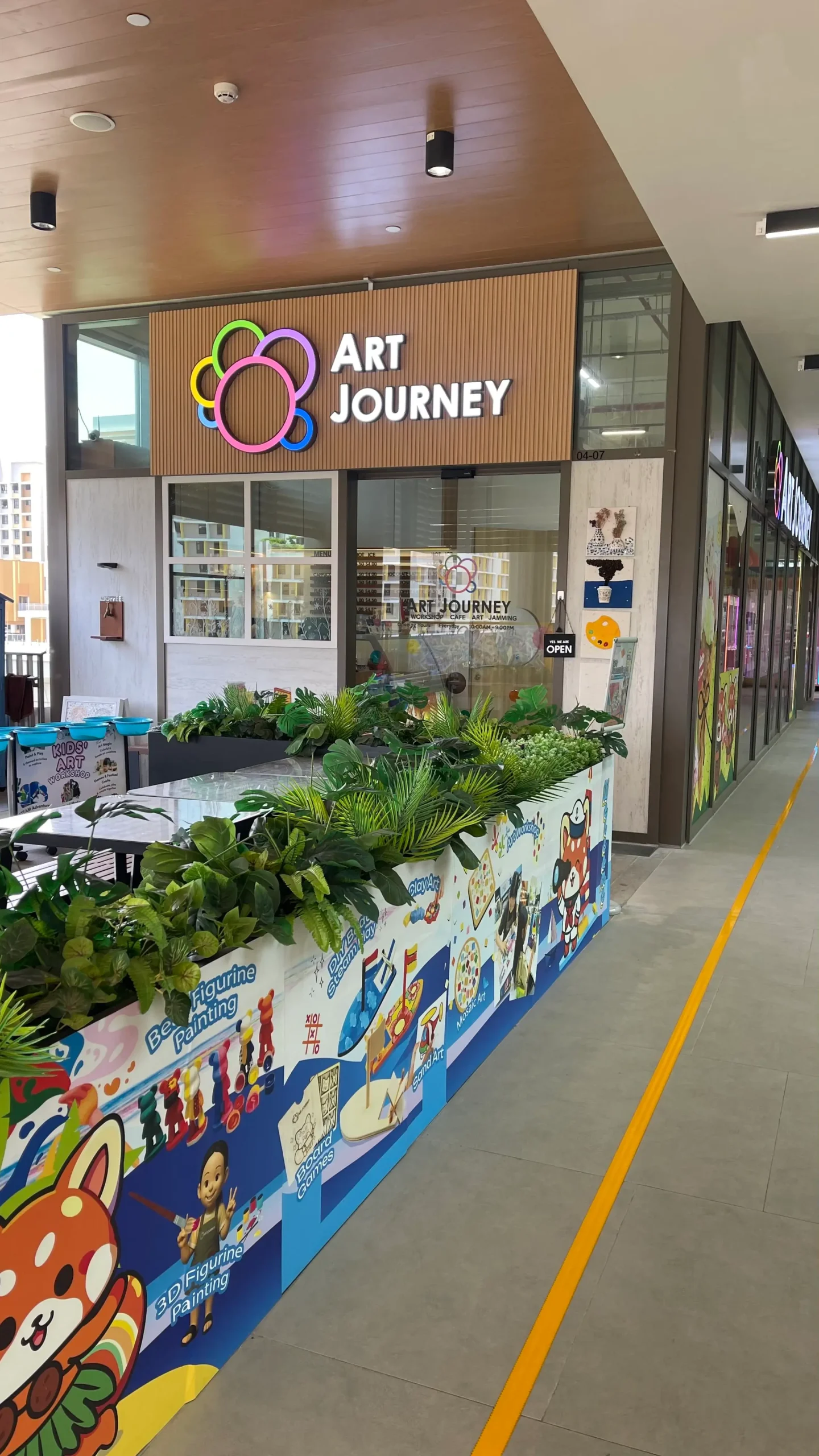
Art Journey is a creative studio in Singapore offering hands-on art workshops and birthday party packages for children aged 3 and above. Located at Plantation Plaza, Jurong West. Open daily 10am – 9pm.