








Creative Art Workshops & Experiences for Kids in Singapore
Creative Art Workshops Designed for Every Kids
We blend age-appropriate developmental theory with playful, hands-on creative sessions that encourage curiosity, imagination, and self-expression at every stage. Our Long-Term Art Workshop programs allow children to build skills and confidence gradually over time.

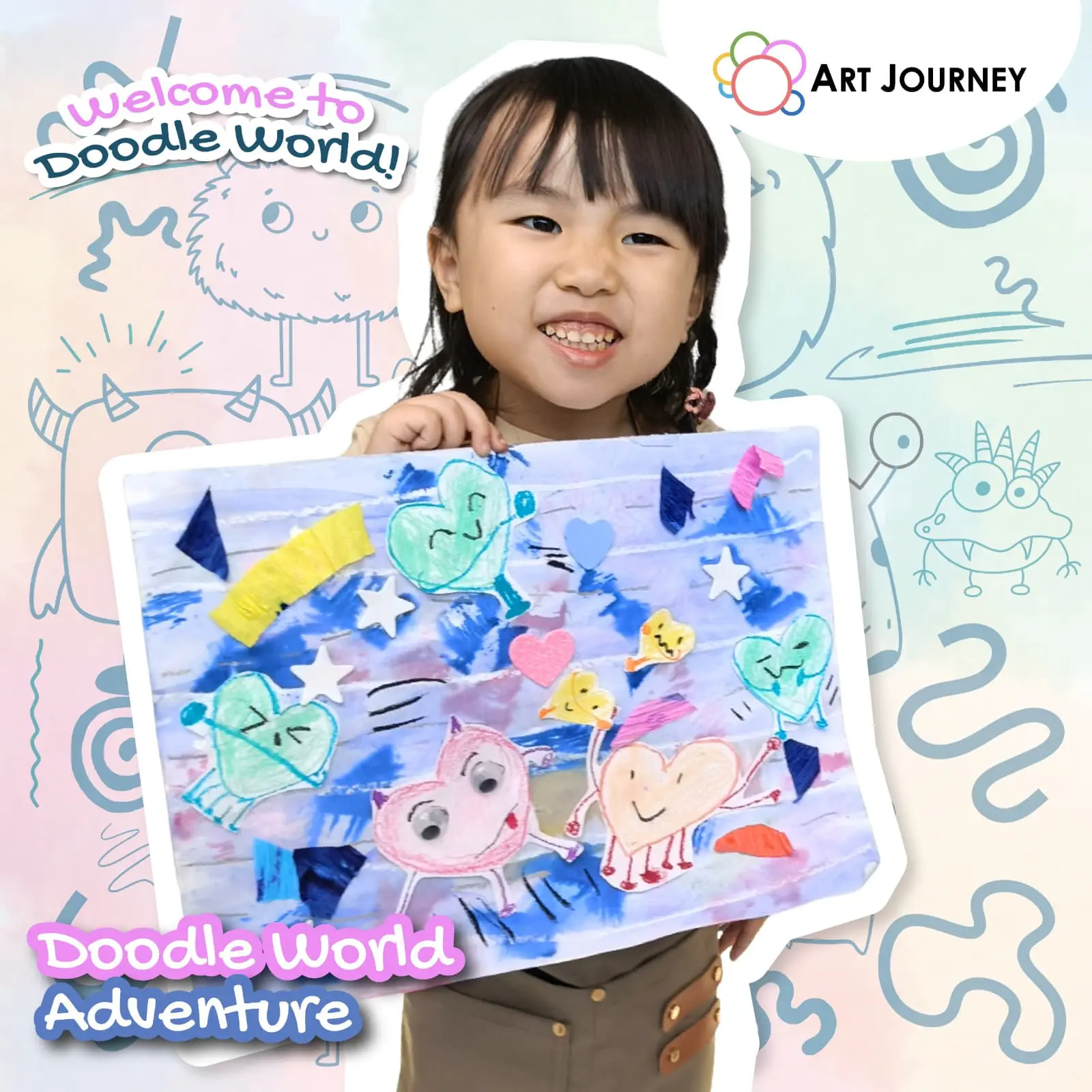
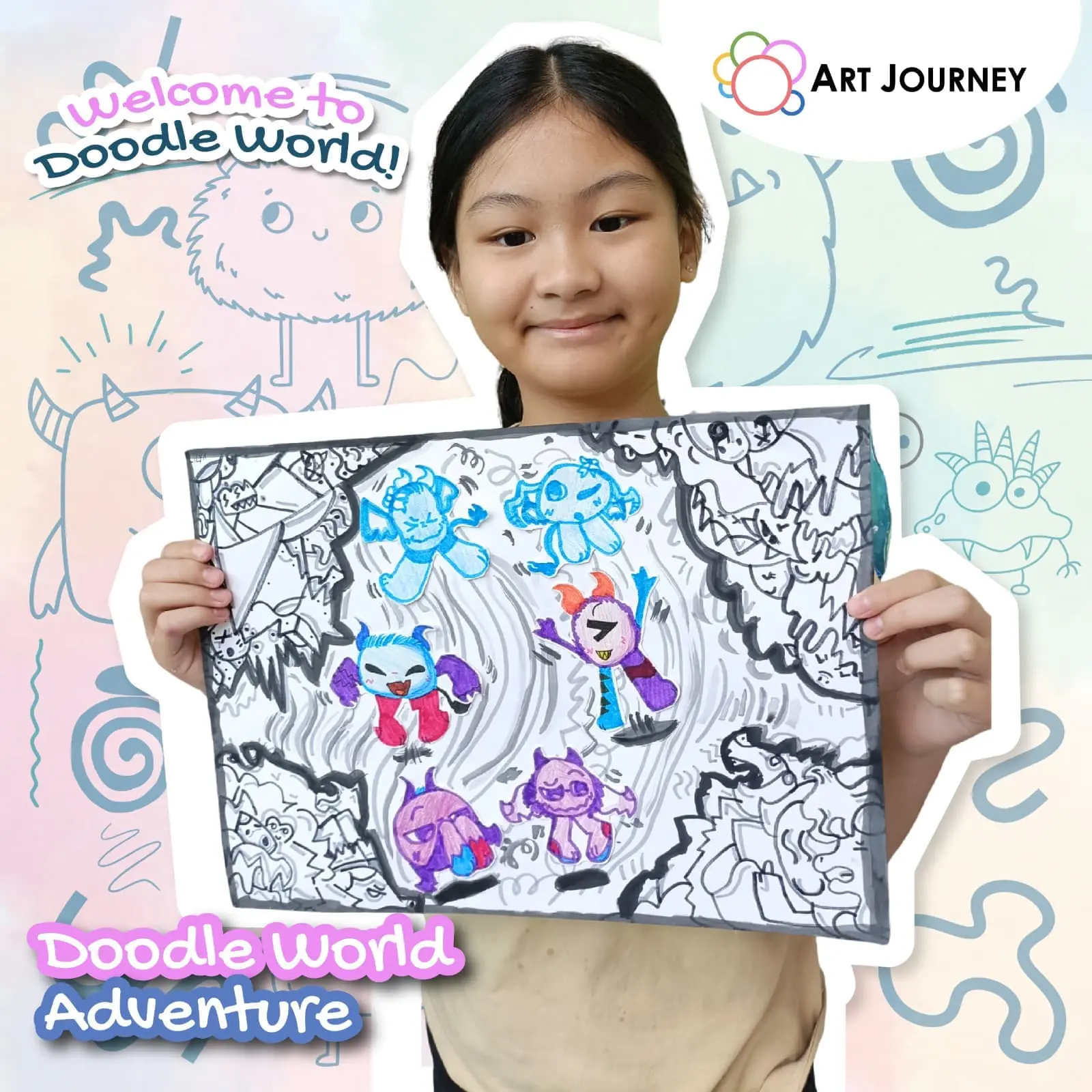

Engaging Learning Through Themed Activities
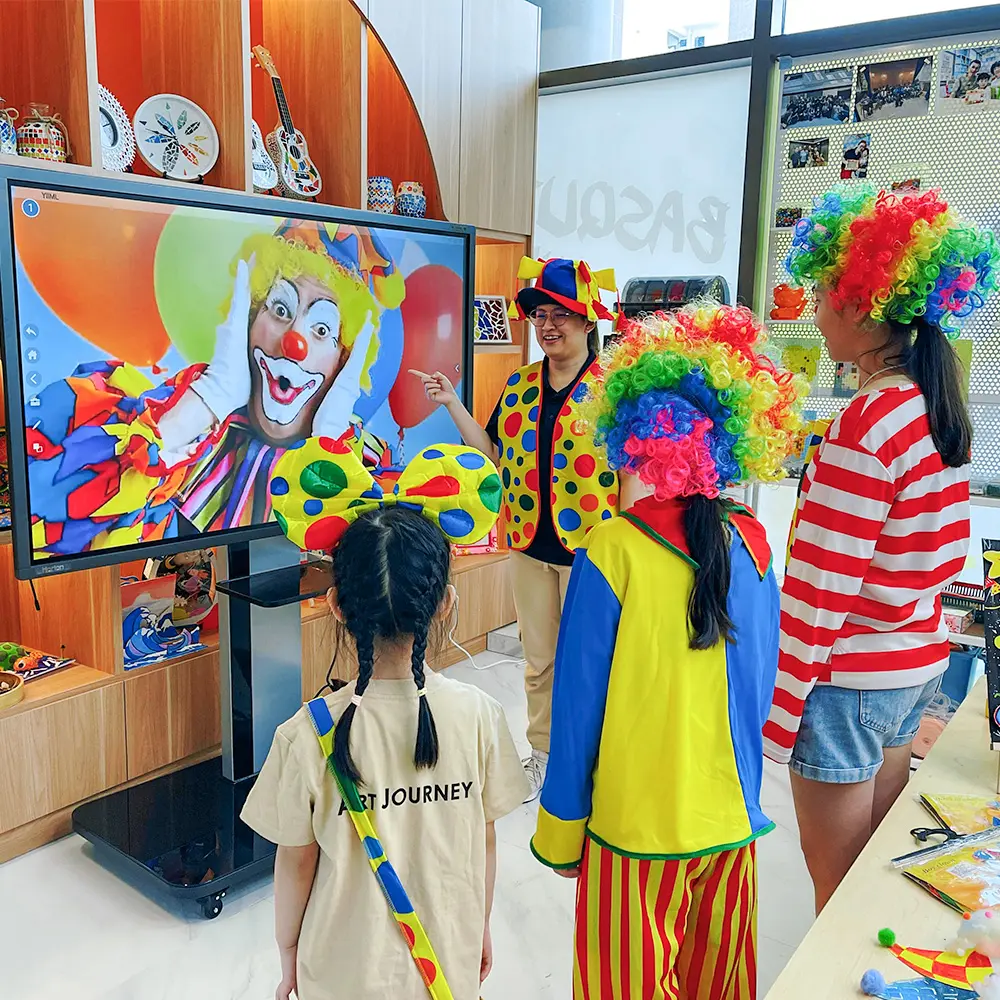
Role Play
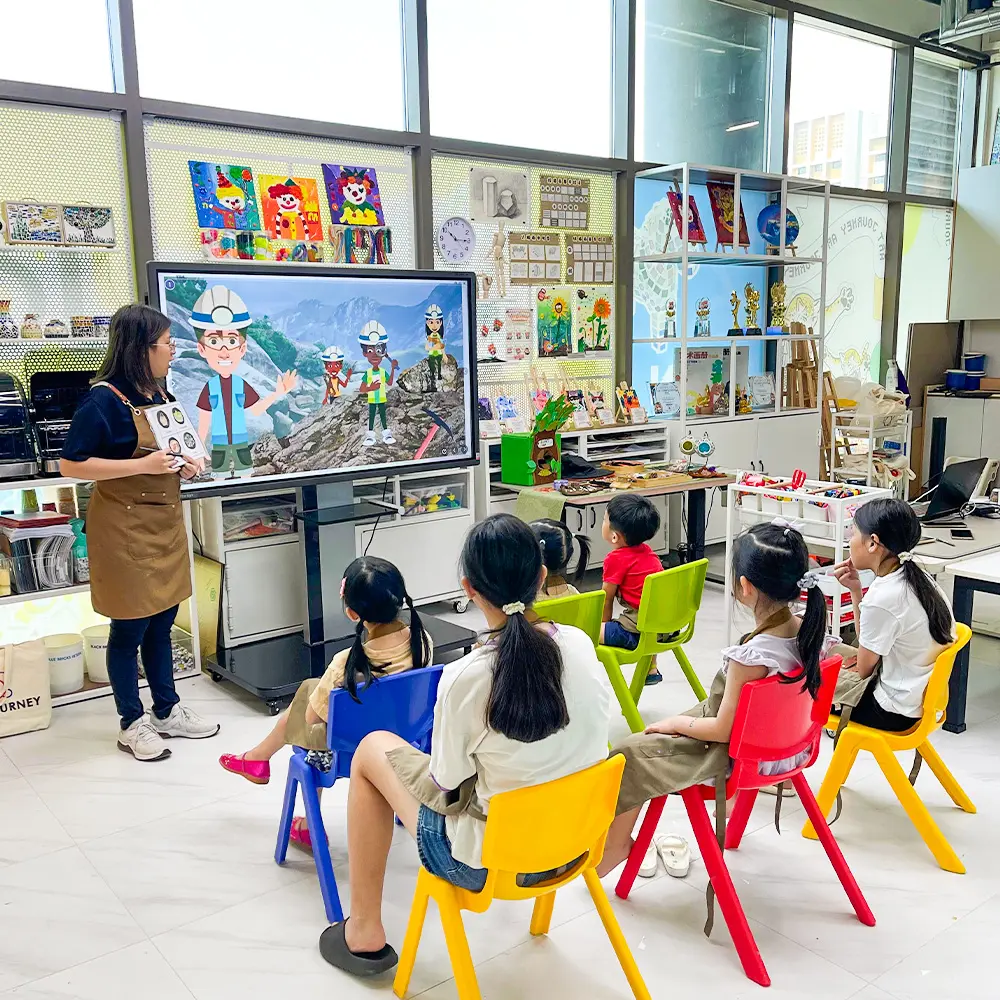
Video Presentation
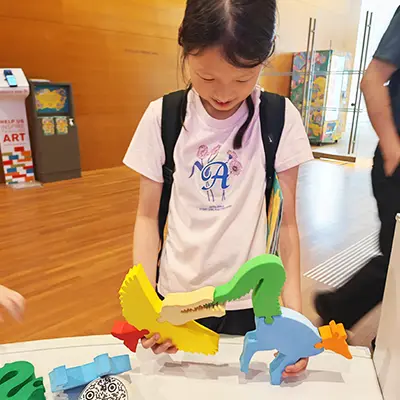
Educational Game
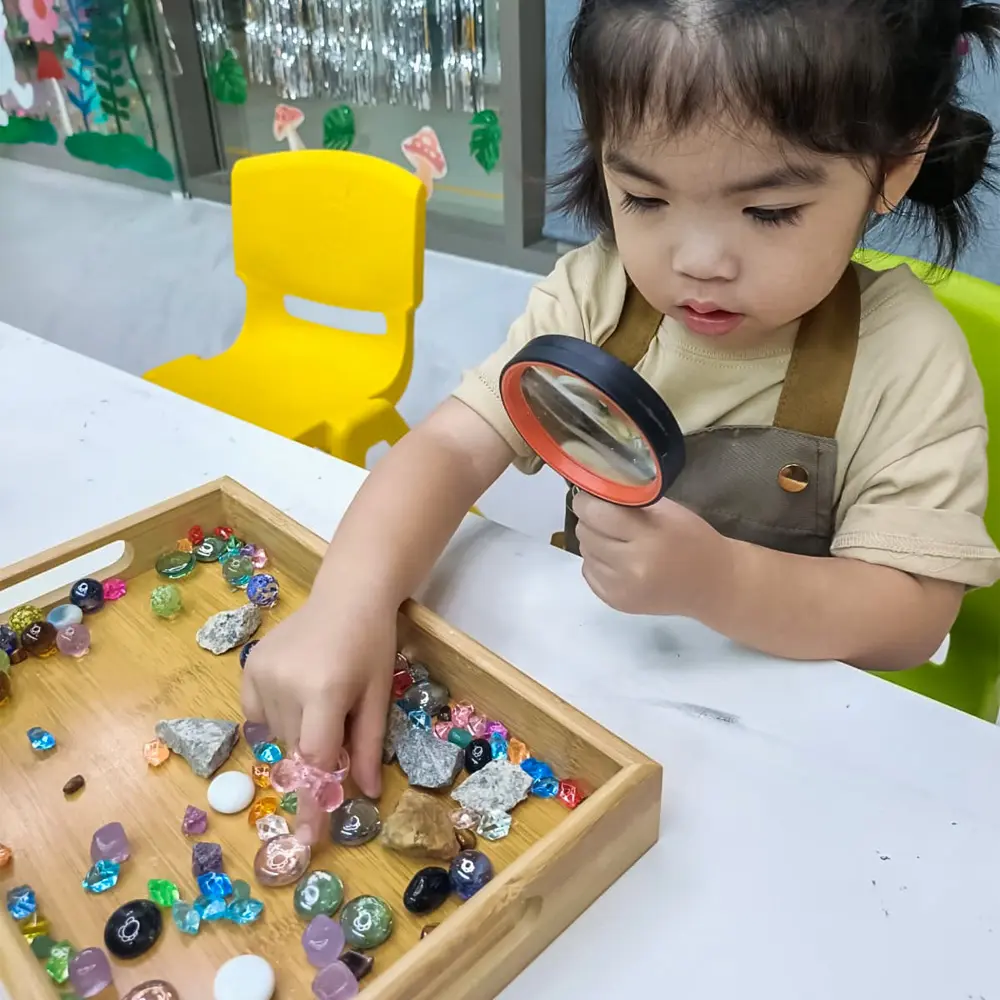
Object Observation
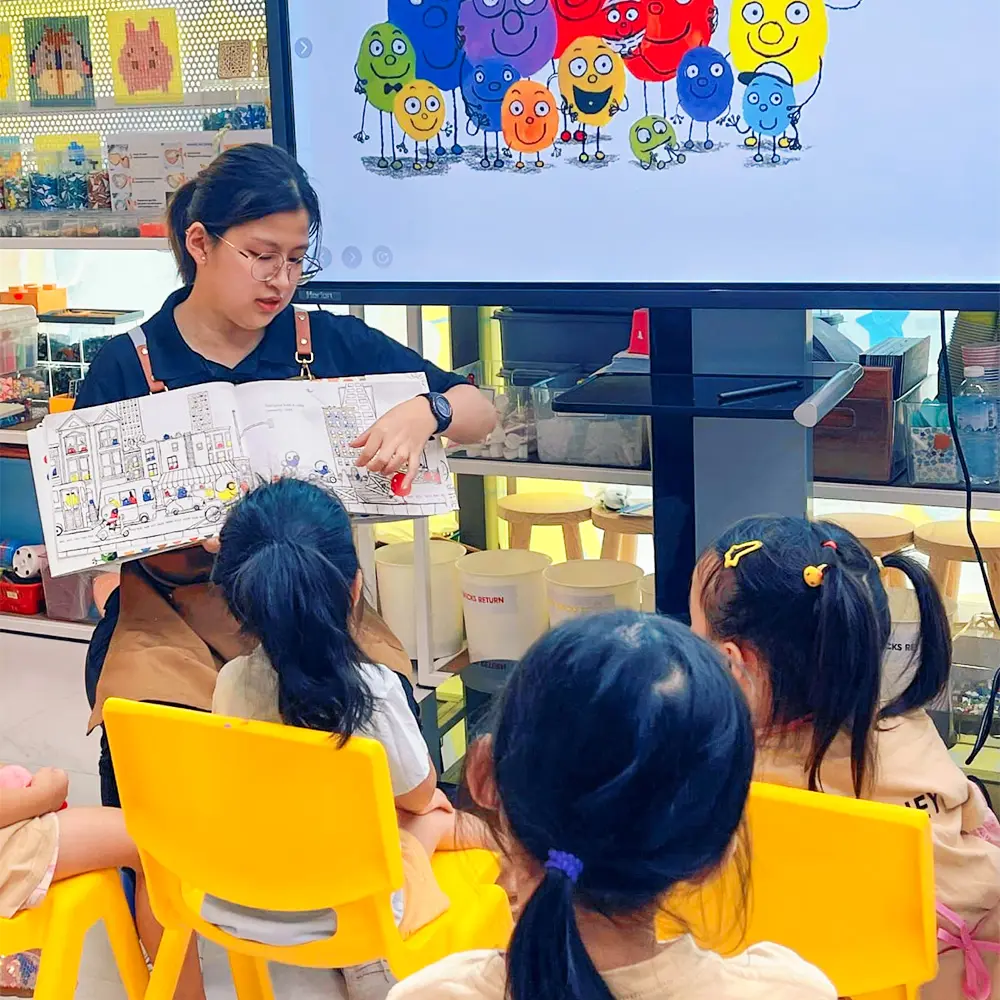
Story Telling
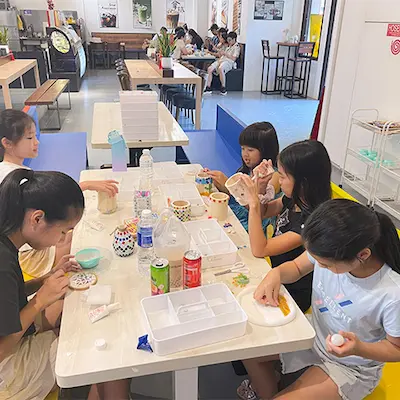
Creative Craft


Each art session follows a two-week path design to inspire, create and reflect
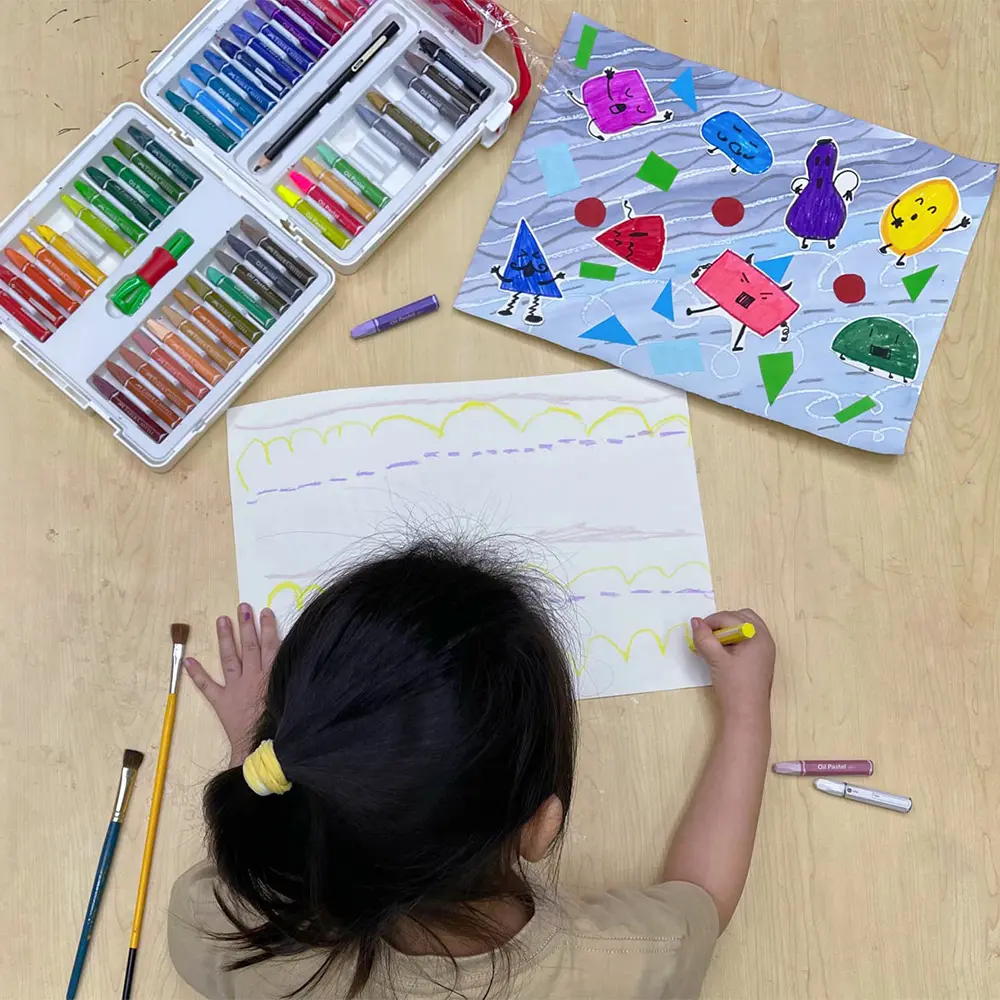
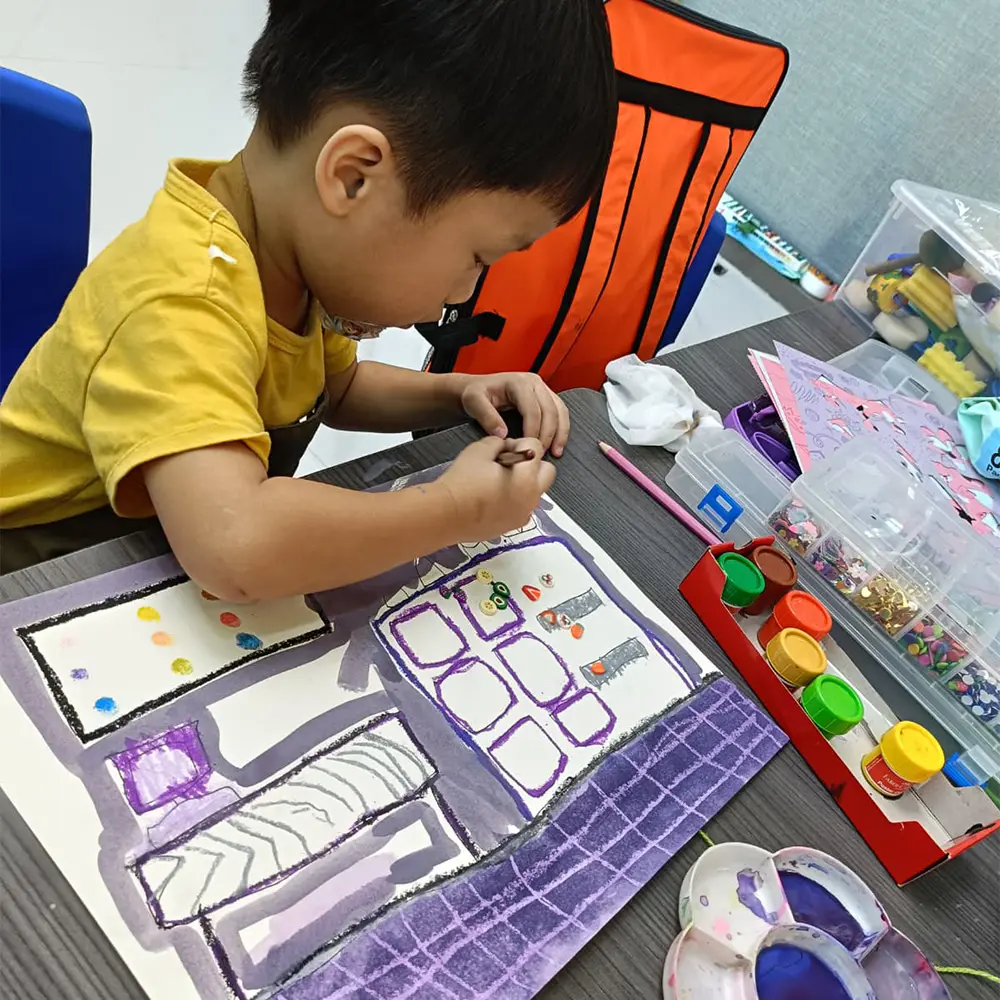
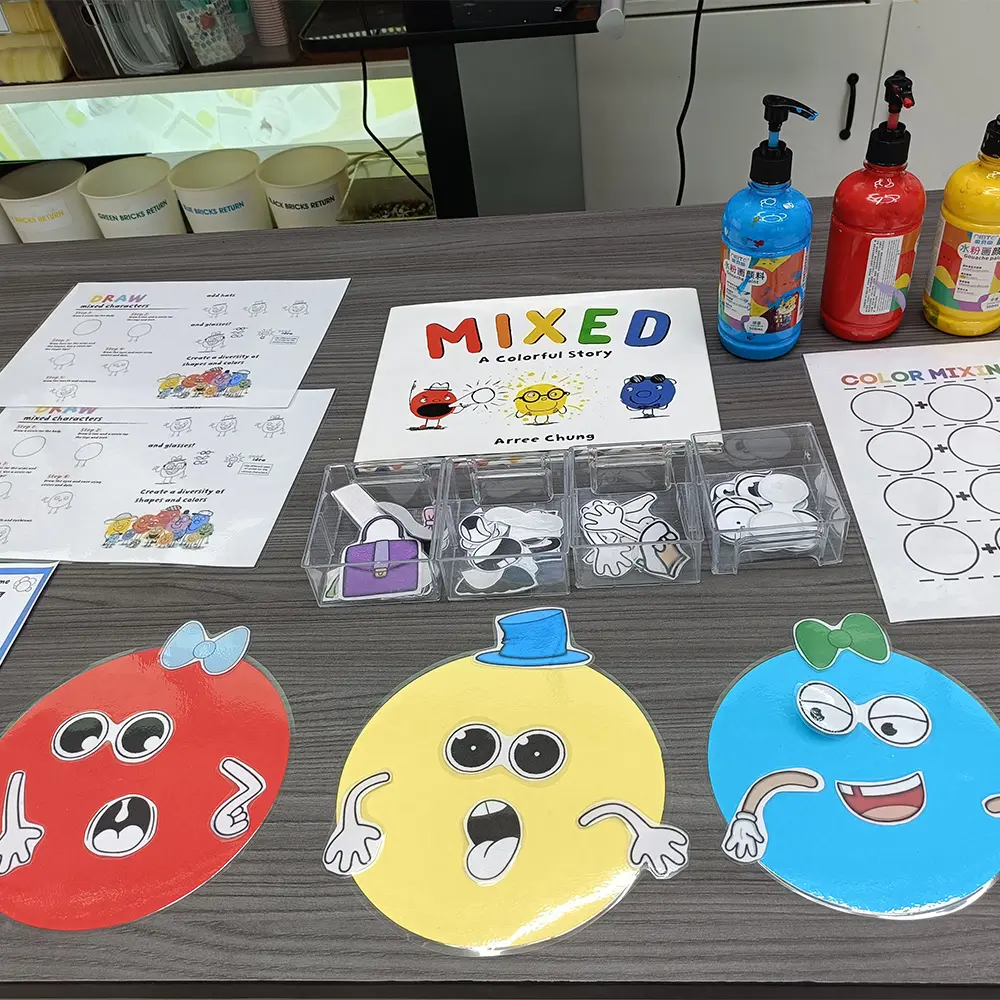
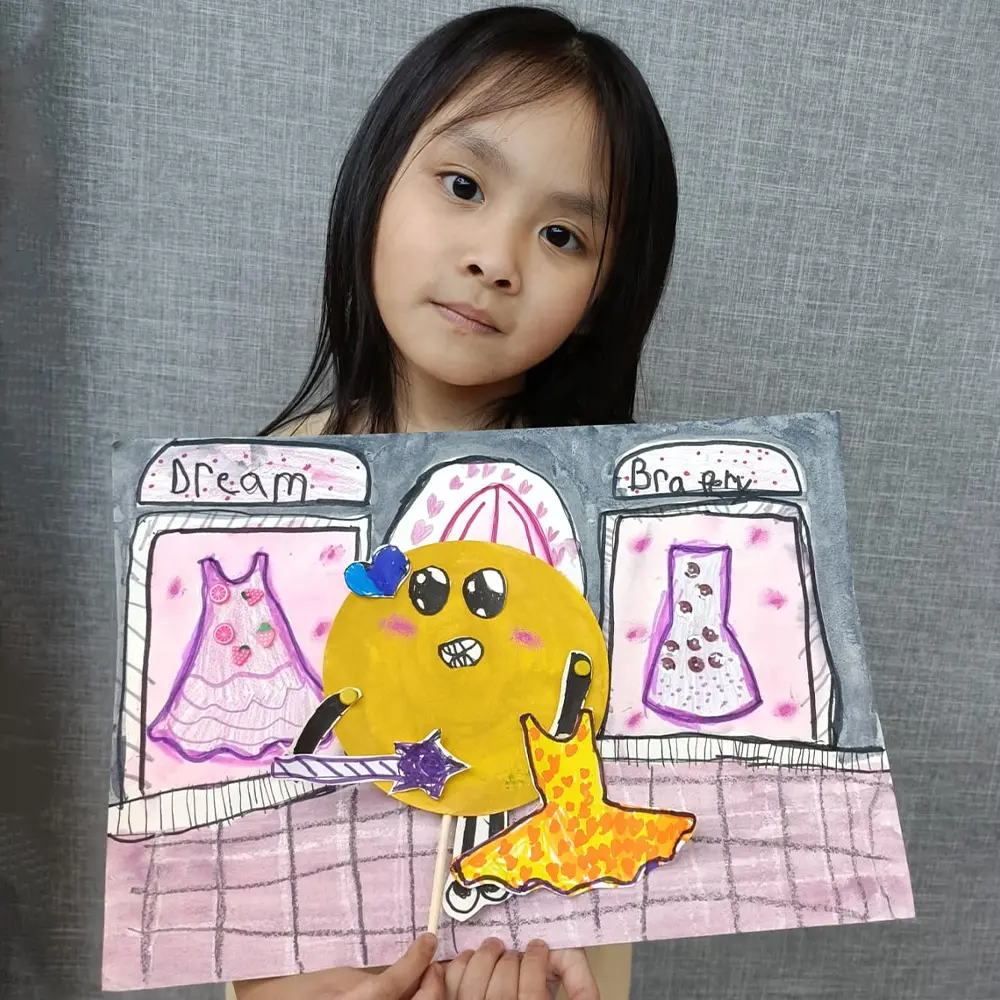
Fun, Structured & Confidence-Building Art Sessions for Kids
Where Every Step Sparks Creativity
Each experience builds gently on the last, nurturing imagination, confidence, and joy — one creative step at a time.

Why Art Journey?
At Art Journey, we believe creativity grows best through play, stories, and hands-on discovery.
Our art creative workshop in Singapore are built around open-ended making — where each child can follow their curiosity, shape their own ideas, and create with joy.
What to expect:
- A space to explore colors, textures, and materials freely
- Opportunities to imagine characters, worlds, and stories
- Moments of quiet focus, messy fun, and proud little “I made this!” moments
- A journey that flows gently from simple shapes to layered creations — always guided by wonder, not rules
What Makes Art Journey Workshop Unique?
Creative Journey
Each project encourages exploration and self-expression.
Thematic Adventures
Inspiring themes like fantasy, nature, and city life spark imagination.
Mixed Media Fun
Kids experiment with watercolor, acrylic, oil pastels, clays and more.
Art Meets Meaning
Introductions to famous art styles made fun and relatable.
Visual Thinking Boost
Visual Thinking Boost — Builds observation, perspective, and creative confidence — skills that go beyond what a standard kids’ art class covers.
Understanding the Difference
Art Class vs Art Workshop — What's Best for Your Child?
Many parents in Singapore search for art classes for their kids. Here's how a traditional art class compares to Art Journey's creative workshop approach.
| Traditional Art Class Common format in Singapore | Art Journey Workshop Our approach in Tengah | |
|---|---|---|
| Format | 1 session = 1 artwork completed | 2-week creative path per theme — explore, create & reflect Deeper Learning |
| Focus | Technique-driven — drawing & painting skills | Exploration + creation + reflection — builds creative thinking |
| Activities | Primarily drawing and painting | Mixed media, storytelling, role play, educational games & object observation Multi-Sensory |
| Materials | Usually 1–2 mediums per session | Watercolour, acrylic, oil pastels, clay & more — all included |
| Approach | Instructor-led, follow-along method | Guided exploration inspired by Piaget's child development theory Research-Based |
| Session Length | 60–90 minutes | 1.5–2 hours per session |
| Outcome | Technical skill building | Creative confidence + artistic skills + self-expression |
| Best For | Kids who enjoy routine & structured practice | Curious, hands-on learners who love stories & exploration |
Why we chose the workshop format: At Art Journey, we believe kids learn best through play, stories, and hands-on discovery — not just following instructions. Our workshop format gives children time to explore, create at their own pace, and build lasting creative confidence. It's everything great about an art class, taken further.
Easy to Reach Us by Bus!
We're well connected to multiple neighbourhoods. Find your area below and see how quickly your child can start their creative journey!
Living in Tengah? You're our neighbours! Multiple buses from Tengah Bus Interchange pass right by our door. Buses run every 8–15 minutes, so getting here is a breeze for after-school or weekend session.
Bukit Batok parents! Bus 992 runs directly from Bukit Batok MRT Interchange to our doorstep — see our dedicated kids art workshop in Bukit Batok page for full schedule details.
Near JEM or Westgate? Hop on Bus 870 from Jurong Town Hall Interchange — it runs straight to Plantation Plaza. Visit our dedicated art workshop near Jurong East page for the full route and weekend timing.
Near Dazhong, Lianhua or Keming Primary? Bus 871 connects Bukit Gombak directly to Tengah — read our full kids art workshop in Bukit Gombak page for the school-route timing.
Bukit Timah families! Bus 871 or the express 452 bring you right to our door — see our art workshop near Beauty World page for full express-route details.
New direct route! Bus 984 now connects Bukit Panjang all the way through Brickland to Tengah — see our kids art workshop in Bukit Panjang page for the full new-route guide.
Near Jurong Lake Gardens? Bus 872 runs between Chinese Garden MRT and Tengah. Combine a nature walk at the gardens with an art Session at our studio!
→ Bus 992 (10 min)
→ Bus 871 (15 min)
→ Bus 870 (15 min)
→ Bus 872 (15 min)
→ Bus 871 (20 min)
🏫 Convenient for Schools Nearby!
Bus 871 passes directly near several primary schools — perfect for after-school enrichment session.
Reserve Your Spot Online
What would you like to book?
Choose one experience to see the right booking form.
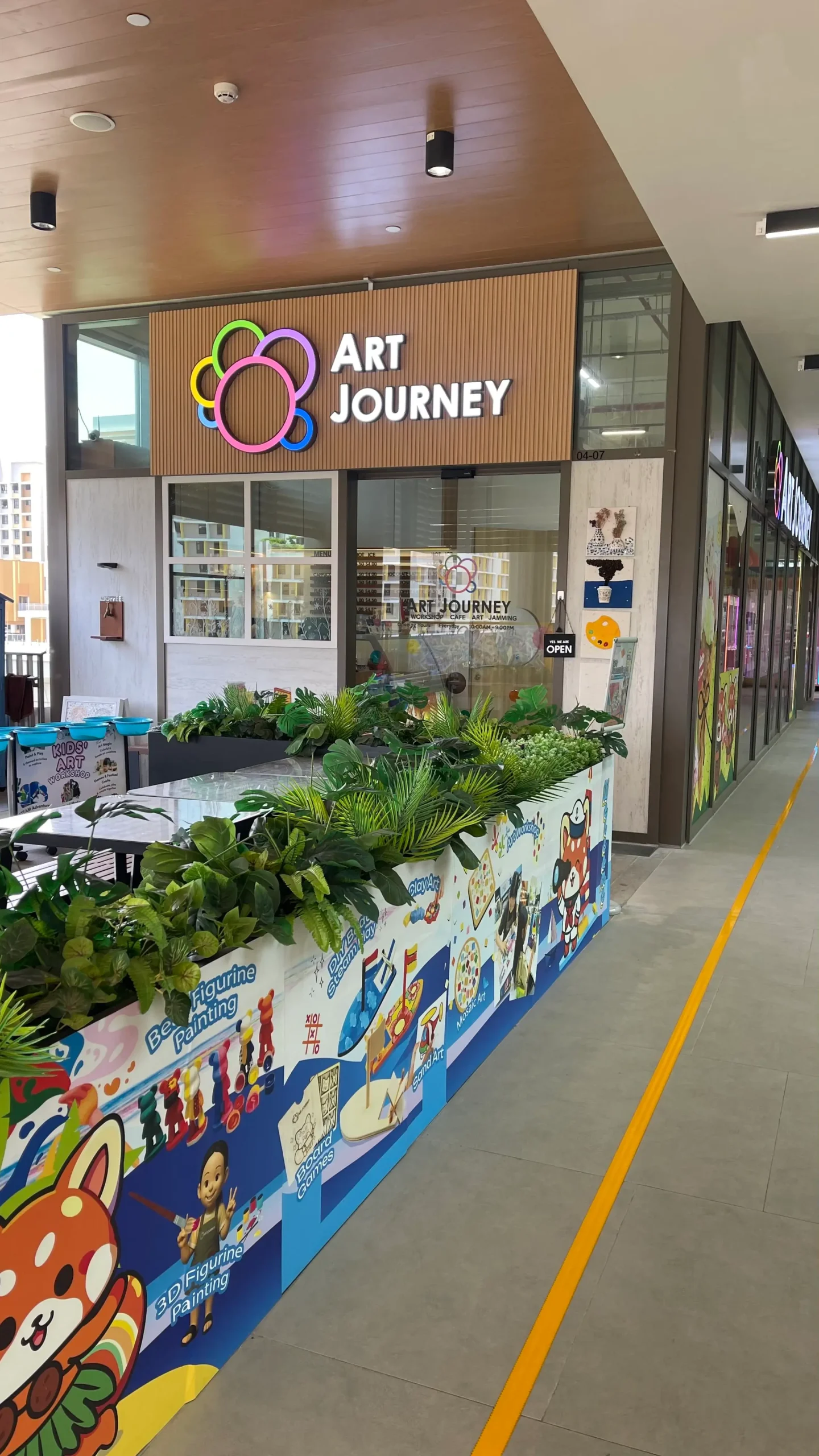
What our customers say about our service


 Nur Afizah
Trustindex verifies that the original source of the review is Google.
Ms Jen is a friendly & patience lady. She helped with my son who had over-glued his mosaic item. Nice environment to bring the kiddos. Anjum JainWe loved our experience at the Art Journey! We celebrated our daughter’s 9th bday and we had the Mosaic Art Party. Kids were happy with the creative options available and created wonderful lamps, photo frame, jewelry box and on top relished the Gelato! The staff was very supportive and Jen, in particular, was very kind and helpful. She went out of way to help with decorations, table settings and ensured the entire group was comfortable! Thanks Jen for making it so special for us, we will certainly come back again! #artjourney #jenthebest
 Zhiqi LiuVery friendly staff who assisted with a mosaic art trial for my kids and they had a lot fun!
 Priya NavainFun activity with Leia 💕
 Anthony ChokNice activity
 Viknes JagadesanExcellent event and kids were excited to do their own art activity.
 Tan Li ChingEnjoy the art session.

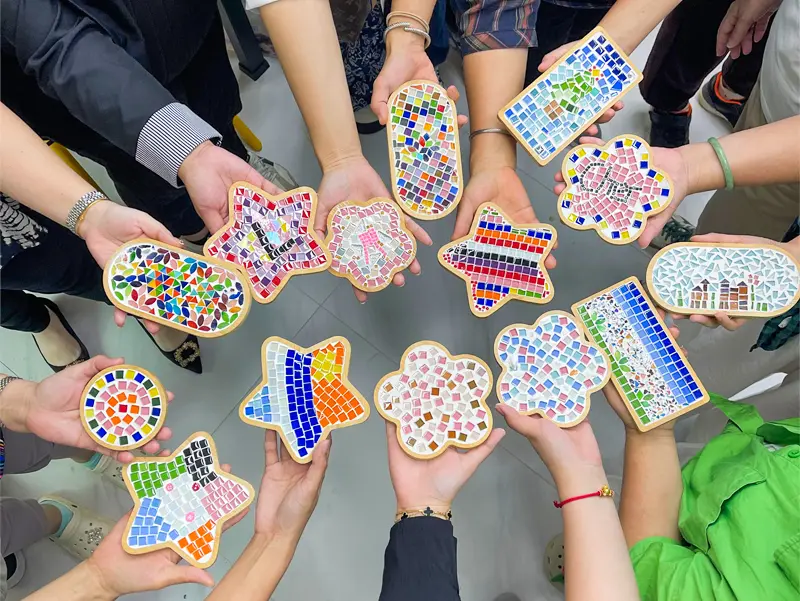
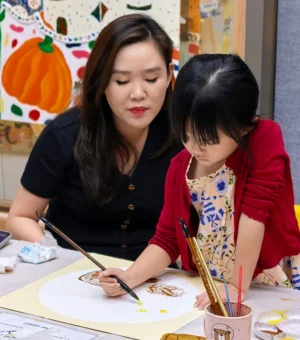
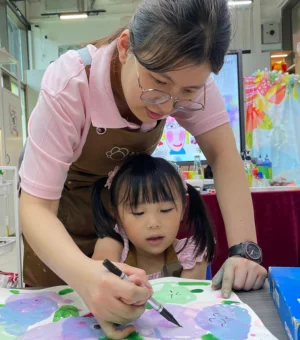
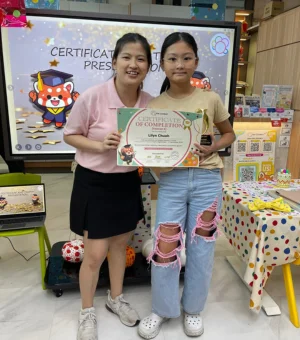
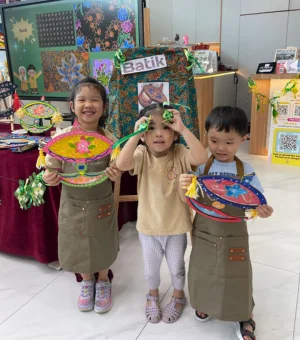
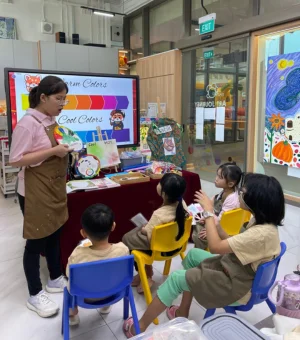
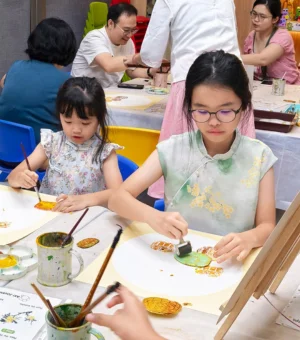
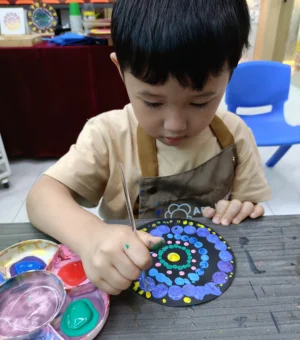
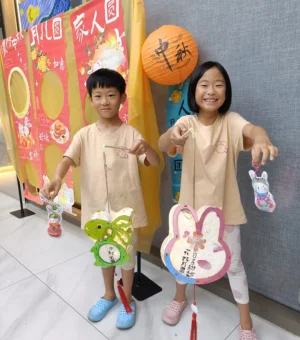
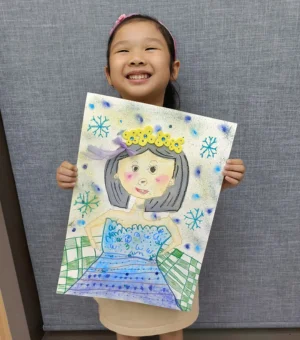
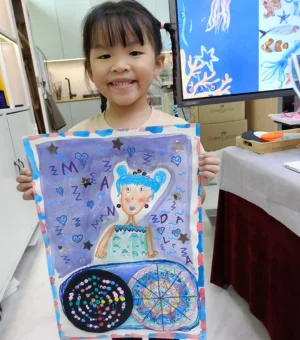
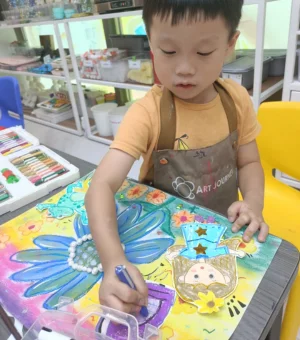
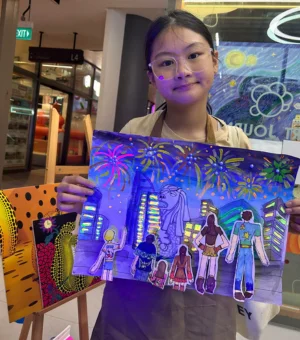
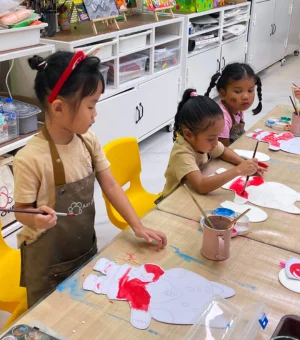
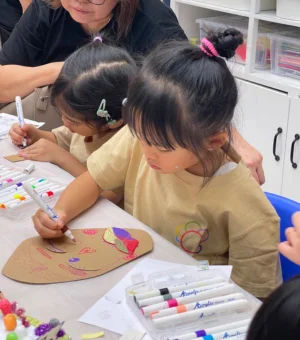
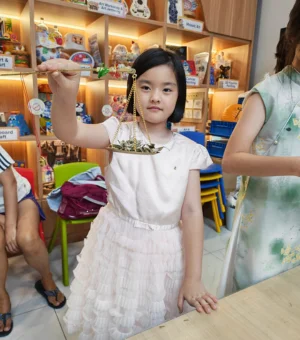
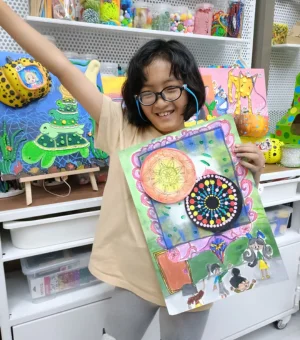
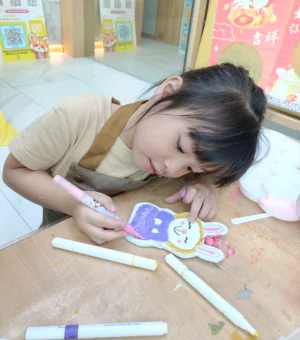
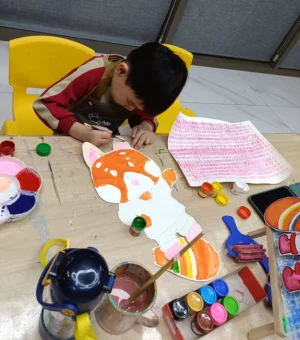
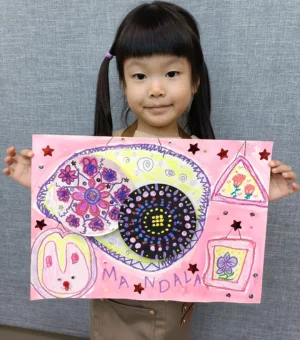
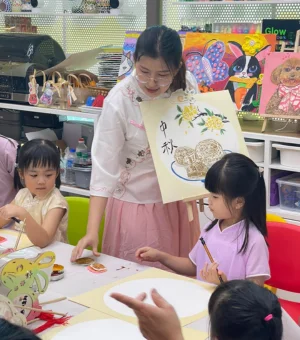
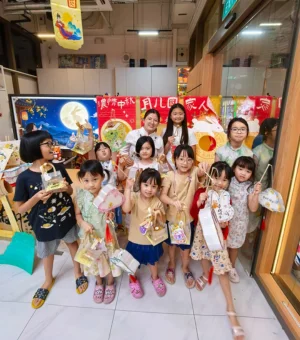
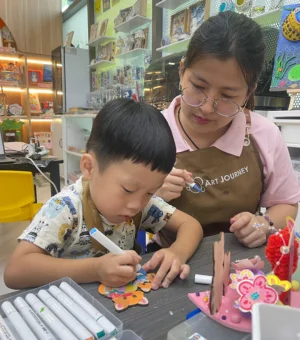
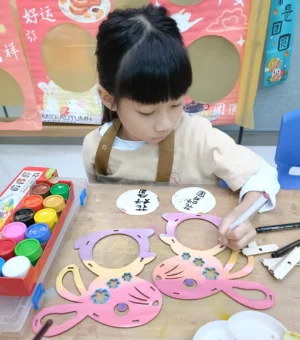
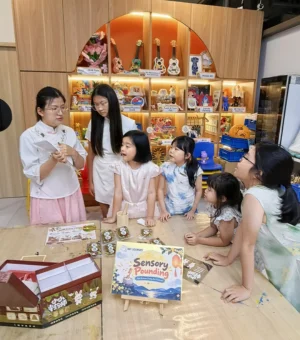
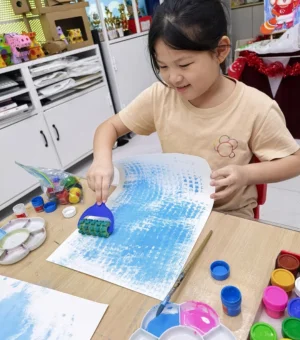
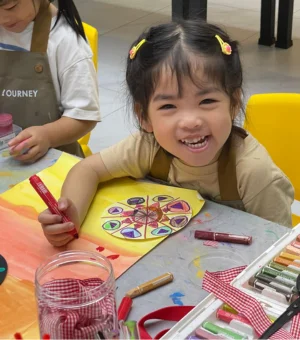
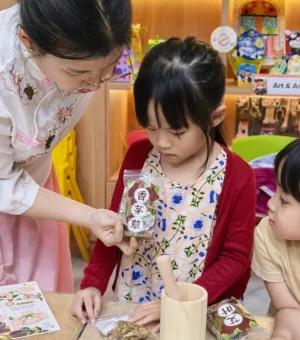
Celebrating Our Happy Young Creator
FAQ
1. Is an art workshop the same as an art class?
Many parents in Singapore search for “art classes” when looking for structured creative learning for their children. At Art Journey, we call our programmes “art workshops” because they go beyond a traditional art class format. While a typical art class often focuses on teaching one technique per session, our workshops combine hands-on making, themed storytelling, role play, and multi-media exploration across a two-week creative path. The result is a deeper, more immersive experience that builds both artistic skills and creative confidence — everything parents love about a great kids’ art class in Singapore, and more.
2. How is Art Journey different from other art classes in Singapore?
Most art classes in Singapore follow a one-session, one-artwork format. Art Journey takes a different approach. Our workshops run on a progressive two-week creative path: in Week 1, children explore materials and begin creating; in Week 2, they complete their masterpiece and reflect on their process. We also integrate themed activities like storytelling, video presentations, educational games, and object observation — things you won’t typically find in a standard art class. Located at Plantation Plaza in Tengah, we’re one of the few dedicated kids’ art spaces in the west of Singapore, making it convenient for families in Tengah, Jurong, Bukit Batok, and Choa Chu Kang.
3. Do children need prior art experience?
No experience is required. Our instructors provide step-by-step guidance.
4. What is the best age to start art classes for kids?
Children can benefit from creative art experiences as early as age 3–4. At Art Journey, our Young Creator programme is designed for kids aged 4–7, with sensory-rich, playful sessions that introduce shapes, colours, and textures. Our Emerging Artist programme (ages 8–12) encourages deeper exploration through techniques, observation, and themed projects. Whether you’re searching for a kids’ art class near Tengah or a structured art workshop in Singapore, starting early helps children develop fine motor skills, self-expression, and creative confidence that lasts a lifetime.
5. Are the workshops guided by teachers?
Yes! Our friendly and patient instructors provide step-by-step guidance. We focus on encouraging kids to express themselves while teaching them basic art techniques.
6. Are the materials safe for children?
Safety is our top priority. We use only high-quality, non-toxic, and child-safe art materials, paints, and tools in all our workshops.
7. How long does a typical kids' session last?
Most workshops last 1.5 to 2 hours. This is the “sweet spot” that keeps children engaged and excited without them getting tired.
8. Can parents join in or drop off their kids?
You have both options! Parents are welcome to join for a bonding session, or you can drop your child off and enjoy a coffee nearby at Plantation Plaza while they create.
9. Are art workshops better than weekly art classes for children?
Both formats have their strengths, and the best choice depends on your child’s learning style. Traditional weekly art classes are great for building routine and practising technique. Art workshops, like those at Art Journey, offer a more immersive, project-based experience where children explore a theme over multiple sessions. Our approach is inspired by Jean Piaget’s developmental theory — children learn best through exploration and creation. Many parents who initially searched for art classes in Singapore tell us they prefer the workshop format because their kids stay more engaged and produce more meaningful artwork.
10. Is the workshop suitable for shy or first-time participants?
Yes, our sessions are beginner-friendly and conducted in a supportive environment.
11. Can workshops be conducted at schools or other venues?
Yes, we provide on-site workshops with no participant limit, depending on the venue space.
12. Where can I find affordable art classes for kids near Tengah?
Art Journey is located at 127 Plantation Crescent, #04-07 Plantation Plaza, Singapore 690127 — right in the heart of Tengah. We offer affordable kids’ art workshops with all materials included, so there are no hidden costs. Our programmes are competitively priced compared to other art classes in Singapore, and we regularly offer special deals for new participants. If you’re a parent in Tengah, Jurong West, Bukit Batok, or Choa Chu Kang looking for quality art learning for your child, we’re your nearest option with dedicated kids’ creative programmes.