


15 Creative Activities Every Singapore Child Should Try in 2026
As Singapore continues to place strong emphasis on academic excellence, parents are also recognising the growing importance of creativity in a child’s overall development. In 2026, creativity is no longer seen as a “bonus skill” — it is essential for problem-solving, emotional resilience, communication, and confidence.
Creative activities help children slow down, explore ideas, and express themselves in meaningful ways. Whether at home, in enrichment classes, or during school holidays, these experiences support balanced development in a fast-paced, digital world.
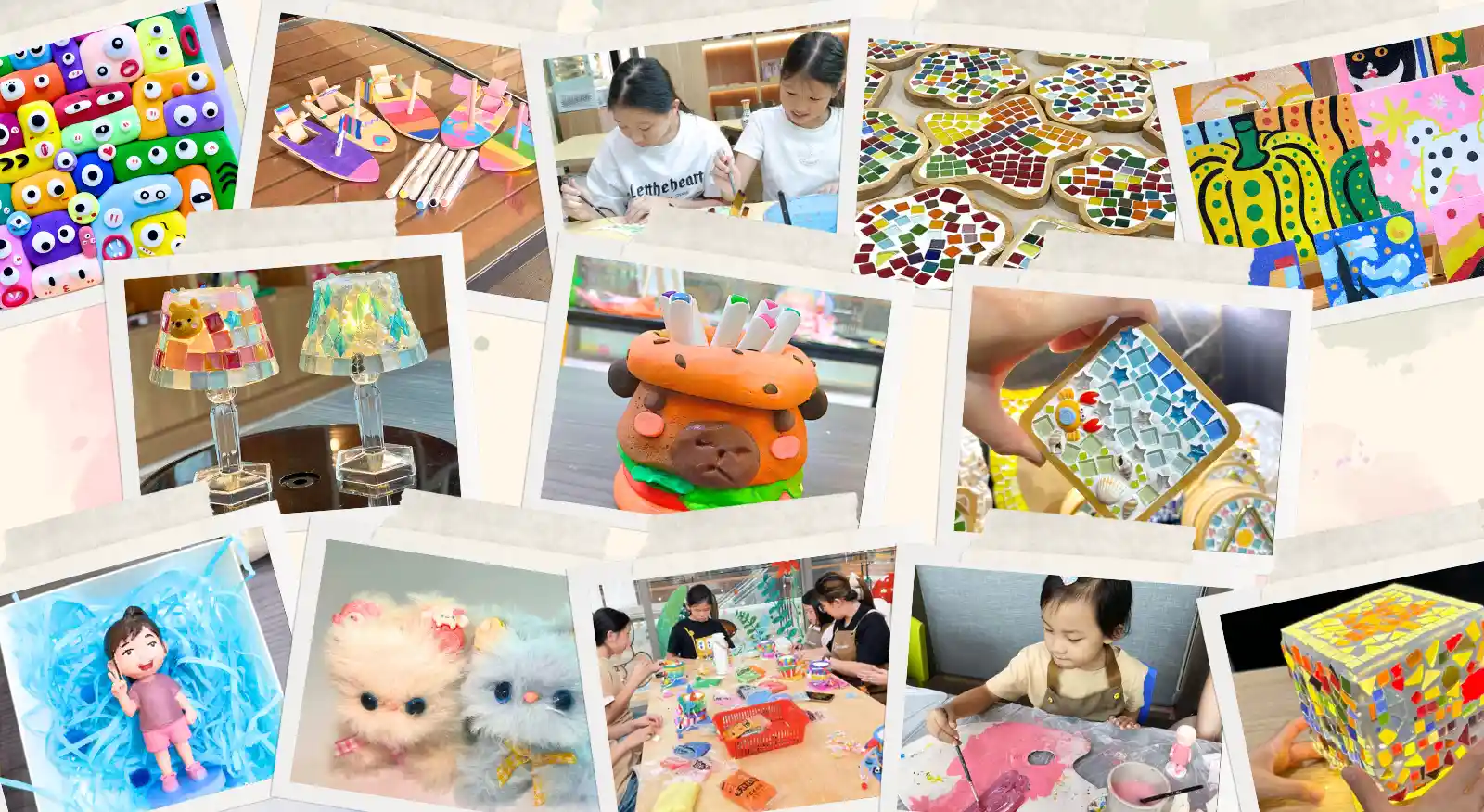
Here are 15 creative activities every Singapore child should try in 2026, suitable for different ages, personalities, and learning styles.
1. Canvas Painting
Canvas painting allows children to explore colours freely while building focus and confidence. Whether painting landscapes, animals, or abstract designs, kids learn to trust their ideas and enjoy the creative process.
This activity supports:
- Emotional expression
- Hand-eye coordination
- Patience and concentration
2. Mosaic Art
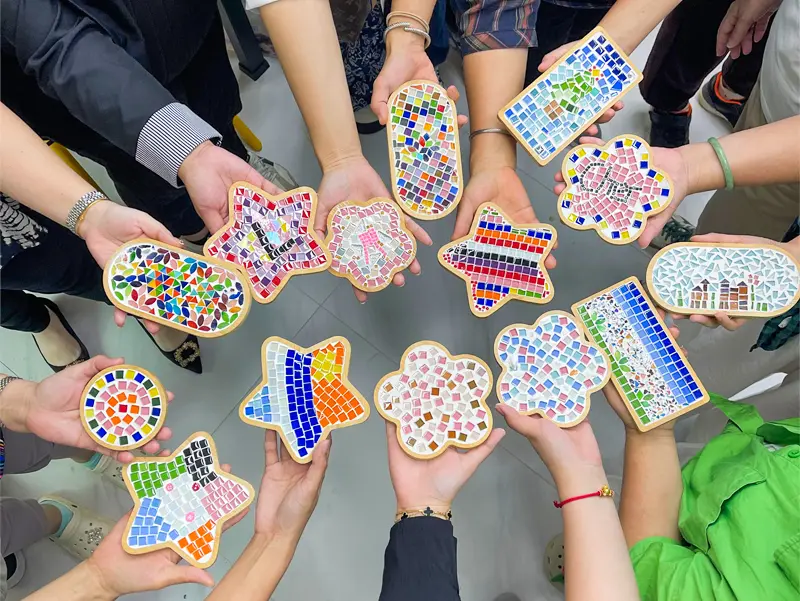
Mosaic art is gaining popularity in Singapore for its calming and structured nature. Children place small tiles to form patterns or pictures, helping them practise patience and problem-solving.
Benefits include:
- Improved focus
- Spatial awareness
- Fine motor skill development
3. Clay Modelling and Sculpting
Clay activities are sensory-rich and highly engaging. Kids can mould animals, objects, or imaginative characters while strengthening hand muscles.
Clay play supports:
- Sensory exploration
- Creativity
- Motor development
4. DIY Craft Projects
Simple craft activities using paper, glue, and everyday materials encourage imagination and independence. Children learn how to plan and complete projects step by step.
Crafting builds:
- Problem-solving skills
- Confidence
- Creativity using limited resources
5. Art Jamming Sessions
Art jamming gives children freedom to create without strict rules. These sessions focus on expression rather than technique, making them perfect for beginners.
Art jamming encourages:
- Emotional release
- Relaxation
- Joyful creativity
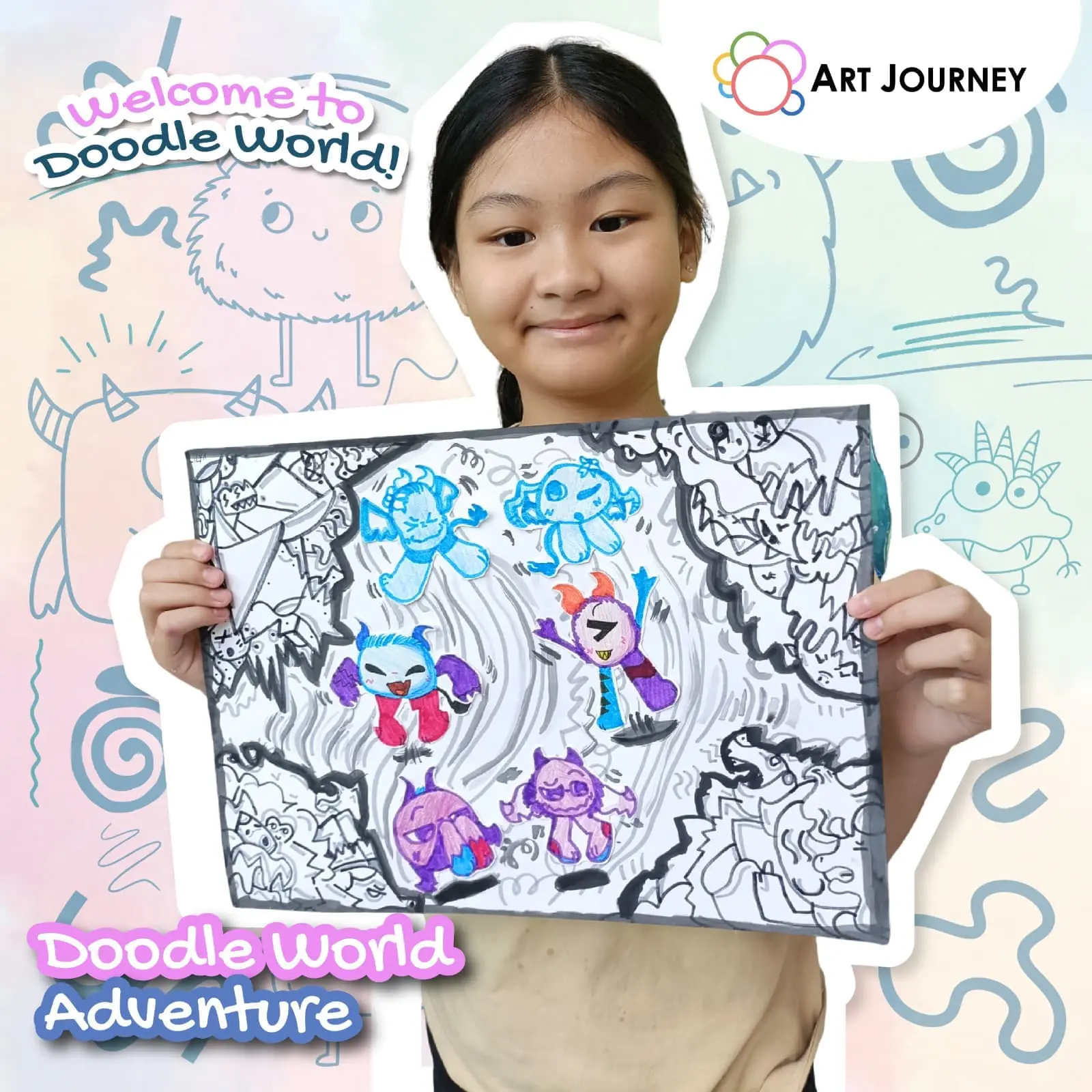
Studios like Art Journey Singapore offer child-friendly art jamming experiences tailored for different age groups.
6. Parent-Child Creative Workshops
Creative bonding sessions allow parents and children to paint or craft together. These activities strengthen emotional connections while creating shared memories.
Benefits include:
- Stronger parent-child bonds
- Improved communication
- Shared creative confidence
7. Storytelling Through Art
Children draw or paint stories using characters and scenes. This helps them connect visual expression with language skills.
This activity supports:
- Imagination
- Language development
- Emotional storytelling
8. Nature-Inspired Art Activities
Using leaves, flowers, and natural textures, children create art inspired by the environment. Singapore’s parks and green spaces make this activity easily accessible.
Nature art encourages:
- Environmental awareness
- Observation skills
- Calm, mindful creativity
9. Sensory Art Play
Sensory art activities involve textures like sand, water, sponges, and textured paint. These are especially beneficial for toddlers and preschoolers.
Sensory play helps:
- Brain development
- Emotional regulation
- Focus and calmness
10. Recycled Art Projects
Turning everyday household items into art teaches children creativity and sustainability. Boxes, bottle caps, and paper rolls become imaginative creations.
This builds:
- Environmental awareness
- Resourcefulness
- Creative thinking
11. Group Art Workshops
Group art sessions allow children to create alongside peers, helping them learn cooperation and communication.
Group activities develop:
- Social skills
- Teamwork
- Confidence in sharing ideas
12. Creative Holiday Workshops
School holidays offer the perfect opportunity for deeper creative exploration. Holiday workshops keep kids engaged while giving them a break from academics.
Popular formats include:
- Themed art camps
- Multi-day creative programmes
- Festive craft workshops
13. Wearable Art Projects
Kids enjoy creating items they can use or wear, such as tote bags, T-shirts, or accessories.
Wearable art encourages:
- Pride in creation
- Functional creativity
- Self-expression
14. Mixed Media Art Exploration
Mixed media art combines paint, paper, fabric, and textured elements. There are no rules, allowing full creative freedom.
This activity supports:
- Open-ended thinking
- Experimentation
- Confidence in creativity
15. Mindful Art Activities
Mindful art focuses on calm, slow-paced creativity such as colouring patterns, gentle painting, or quiet mosaic work.
Mindful art helps children:
- Reduce stress
- Improve focus
- Develop emotional balance
Why Creative Activities Matter More in 2026
Creative activities help children:
- Develop emotional intelligence
- Improve focus and patience
- Build confidence
- Strengthen problem-solving skills
- Balance screen time
- Express emotions healthily
In 2026, parents will increasingly prioritise activities that support the whole child — not just academic success.
Art Journey Singapore: Supporting Creative Growth for Every Child
At Art Journey Singapore, children explore many of these creative activities through guided workshops, art jamming sessions, holiday programmes, and birthday events. Our approach focuses on joy, expression, and development rather than pressure or competition.
We provide children with:
- A safe, welcoming creative environment
- Age-appropriate guidance
- Hands-on art experiences
- Opportunities to build confidence and focus
Art becomes a meaningful part of childhood, not just an extracurricular activity.
FAQs: Creative Activities for Singapore Kids in 2026
- What age should children start creative activities?
Children can start as early as 3–4 years old, with activities becoming more structured as they grow.
- How often should kids engage in creative activities?
At least once or twice a week is ideal for consistent creative development.
- Are creative activities helpful for academic learning?
Yes. Creativity improves focus, problem-solving, emotional regulation, and confidence — all of which support academic success.
- Can shy or introverted children benefit from creative activities?
Absolutely. Creative activities provide gentle, pressure-free ways for shy children to express themselves.
- Do creative activities require expensive materials?
No. Many activities use simple or recycled materials and are easy to set up at home.
- Why choose Art Journey Singapore for creative activities?
Art Journey offers joyful, hands-on art experiences that nurture creativity, emotional well-being, and confidence in a child-friendly setting.