



Clay Sculpture for Kids: A Fun & Creative Hands-On Activity
Clay sculpture for kids is one of the most engaging and beneficial creative activities you can introduce to young learners. Unlike drawing or painting, clay art allows children to use their hands fully — squeezing, rolling, shaping, and building three-dimensional creations.
For many children, working with clay feels exciting because it is tactile and interactive. It’s not just about seeing art — it’s about feeling and constructing it.
In this complete guide, you’ll learn the benefits of clay sculpture, simple ideas to try at home, and how structured clay workshops can support your child’s development.
Why Clay Sculpture Is Great for Kids
Clay activities go far beyond simple fun. They support multiple developmental skills.
- Strengthens Fine Motor Skills
When children:
- Roll clay into balls
- Pinch small details
- Press shapes together
They are strengthening finger muscles and improving hand control — essential for handwriting and coordination.
- Boosts Creativity & Imagination
Clay is flexible and forgiving. Kids can create:
- Animals
- Food models
- Cartoon characters
- Mini houses
- Fantasy creatures
There’s no fixed template. They can reshape and try again if something doesn’t work.
- Encourages Problem-Solving
Building a clay sculpture teaches children to think:
- How do I make it stand?
- How do I attach parts securely?
- What shape works best?
These questions develop logical thinking and patience.
- Improves Focus & Patience
Unlike quick colouring activities, clay sculpting takes time. Children learn:
- To slow down
- To concentrate
- To complete what they start
This builds persistence.
Types of Clay Suitable for Kids
Before starting, it’s important to choose the right clay.
- Air-Dry Clay
- No baking required
- Dries naturally within 24–48 hours
- Easy for beginners
- Polymer Clay
- Requires oven baking
- Suitable for older kids with supervision
- Soft Modelling Clay
- Reusable
- Doesn’t harden
- Ideal for younger toddlers
For most home activities, air-dry clay is the easiest and safest choice.
Easy Clay Sculpture Ideas for Kids
Here are some beginner-friendly ideas.
- Clay Animals
Start with simple shapes:
- Roll a ball for the body
- Smaller balls for the head
- Tiny pieces for ears and tails
Great options:
- Turtle
- Cat
- Elephant
- Fish
This teaches proportion and structure.
- Clay Food Models
Children love making pretend food like:
- Cupcakes
- Pizza slices
- Ice cream cones
- Fruits
This is especially popular with preschoolers.
- Name Plaques
Older kids can create personalised clay name boards.
Steps:
- Flatten clay
- Carve or press letters
- Add decorative shapes
It’s both creative and functional.
- Mini Plant Pots
Simple pinch pots are easy:
- Roll into a ball
- Press thumb into centre
- Gently widen the opening
These can later hold small succulents.
- Story Characters
Encourage children to create characters from their imagination.
Ask questions like:
- What is your character’s name?
- What powers does it have?
- Where does it live?
This blends storytelling with sculpting.
Clay Sculpture in Structured Art Classes
While home crafting is fun, structured clay sessions provide additional benefits.
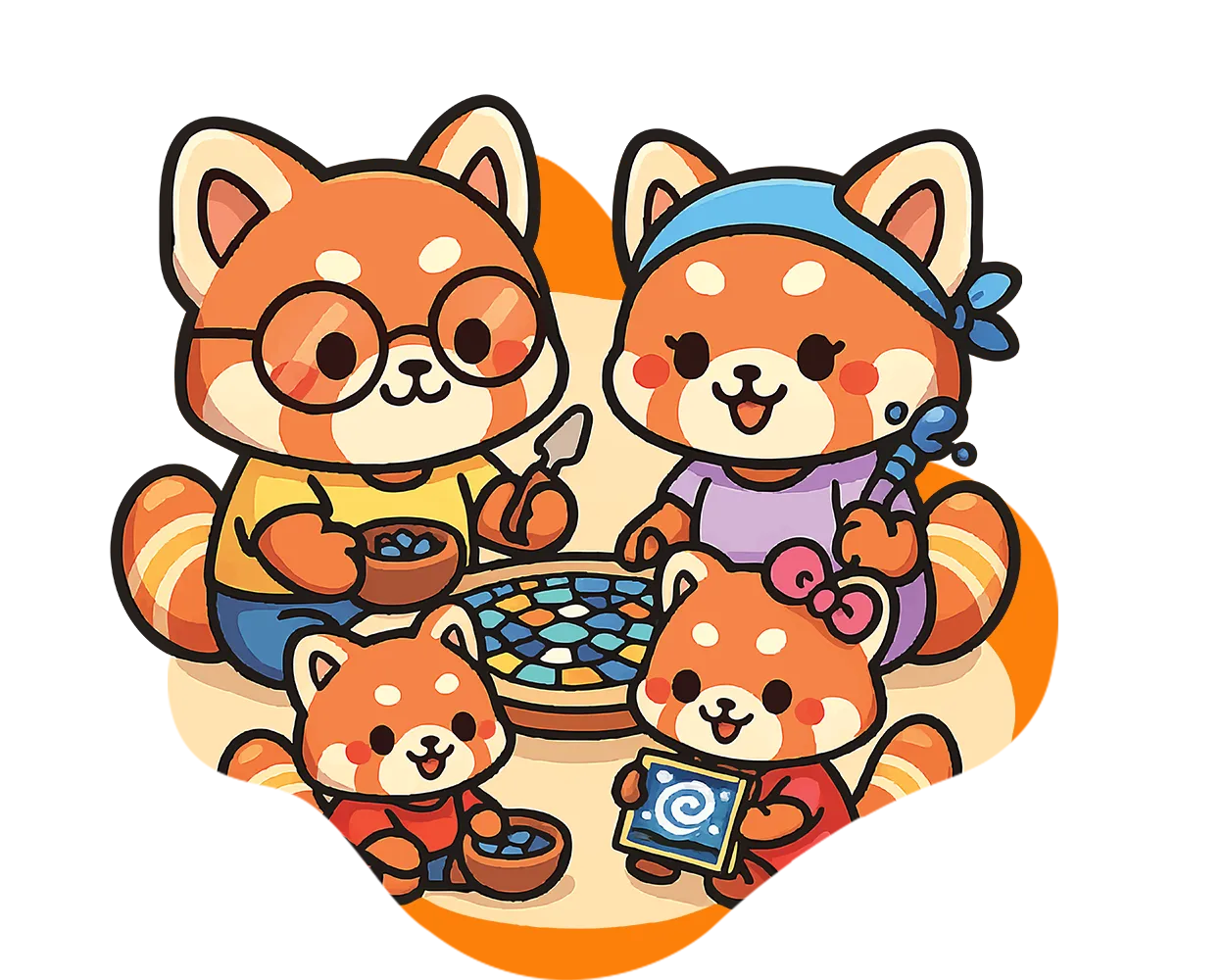
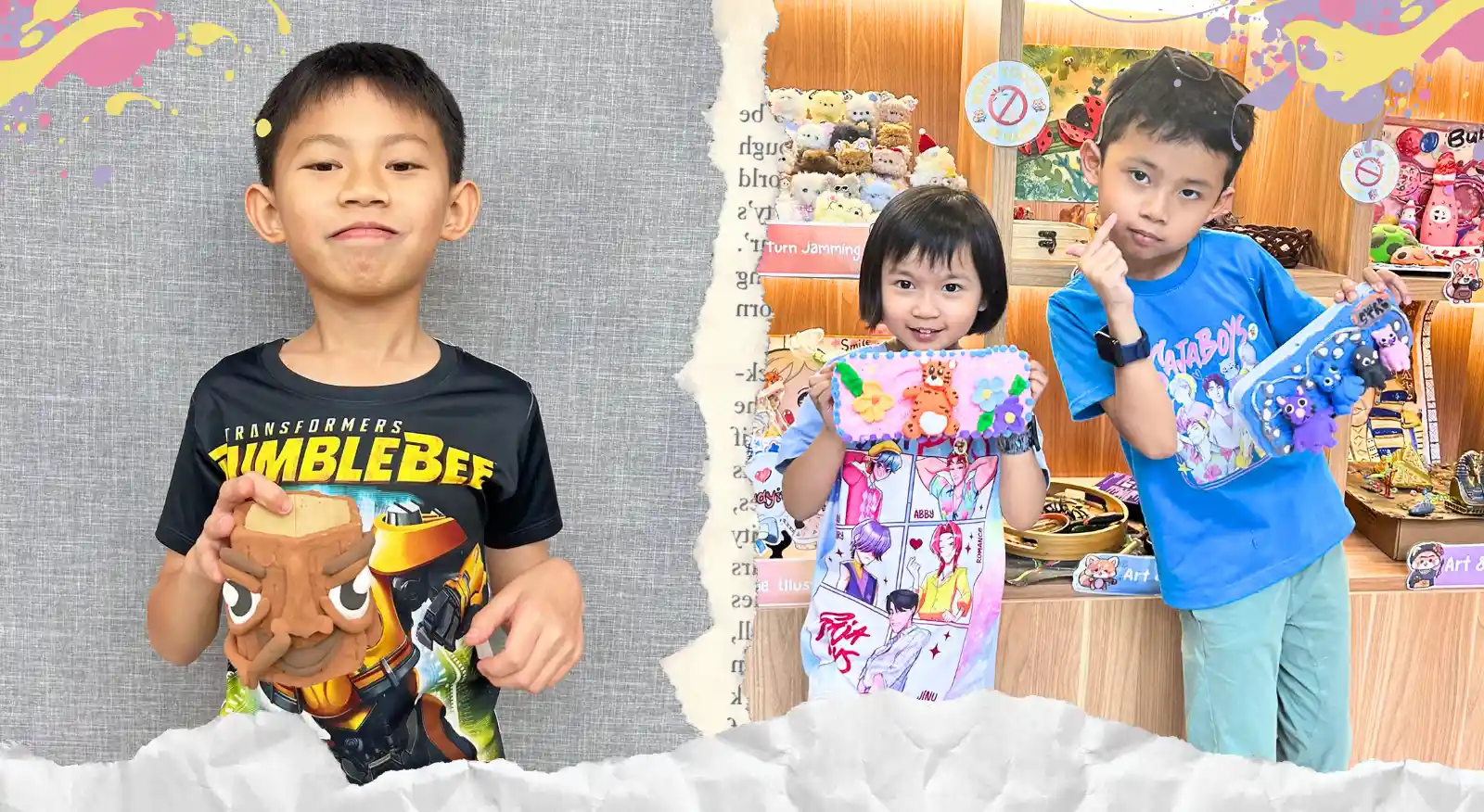
Creative studios such as Art Journey often include clay art in their workshops. Guided sessions help children:
- Learn shaping techniques
- Understand structure and balance
- Improve detailing skills
- Follow step-by-step creative processes
The advantage of structured sessions is that instructors can correct techniques gently while still allowing creative freedom.
For group workshops or school holiday programmes, clay sculpting is especially popular because it is interactive and calming at the same time.
Age-Based Recommendations
Toddlers (3–4 years)
- Simple rolling and squishing
- Basic shapes
- Sensory exploration
Focus on texture rather than complex forms.
Preschool (5–6 years)
- Animals
- Food models
- Simple pinch pots
Encourage imagination but keep instructions clear.
Primary School (7–12 years)
- Detailed figurines
- Decorative objects
- Themed sculptures
Introduce basic structural concepts.
Tips for Parents & Teachers
- Cover Work Surfaces
Use newspaper or plastic sheets.
- Keep Tools Simple
Basic tools include:
- Toothpicks
- Plastic knives
- Rolling pins
- Allow Mistakes
Clay can always be reshaped. Avoid over-correcting.
- Supervise Younger Children
Especially when using small tools.
- Let It Dry Properly
If using air-dry clay, ensure sculptures dry fully before painting.
Painting & Finishing Touches
Once clay is dry, children can:
- Paint with acrylic colours
- Add glitter or small decorations
- Apply varnish (optional for older kids)
This adds another creative layer to the activity.
Benefits of Clay Sculpture Beyond Art
Clay sculpting supports:
- Emotional regulation
- Stress relief
- Sensory development
- Spatial awareness
Many children find clay calming because it engages the senses fully.
In structured environments, clay activities also encourage teamwork and social interaction.
Why Clay Sculpture Is Ideal for Modern Kids
In today’s digital world, clay art provides:
- Screen-free engagement
- Hands-on creativity
- Real-world skill development
It balances academic learning with tactile exploration.
Whether done at home or in organised workshops, clay sculpture remains one of the most effective creative tools for children.
Frequently Asked Questions (FAQ)
- What age can kids start clay sculpting?
Children can begin simple clay play from 3 years old with supervision.
- Is clay safe for kids?
Yes, if you use non-toxic clay and supervise young children.
- How long does air-dry clay take to dry?
Usually 24–48 hours depending on thickness.
- Can clay activities improve handwriting?
Yes. Strengthening finger muscles supports better writing control.
- Should clay sessions be structured?
Both free play and guided sessions are beneficial.
- Is clay messy?
It can be, but preparation and simple clean-up routines help manage it easily.