





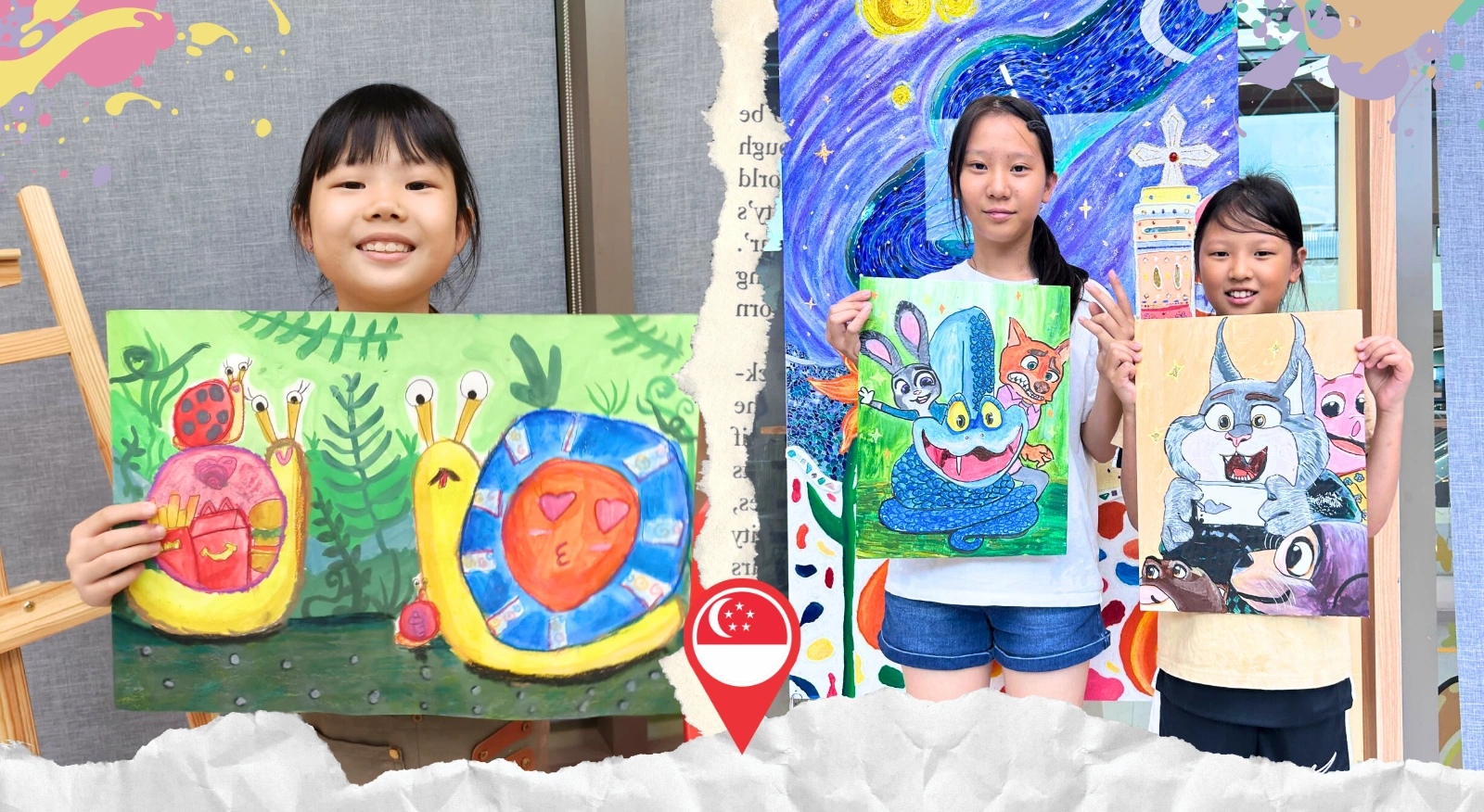
Creative Art Workshops in Singapore That Build Confidence
Confidence is one of the most important qualities a child can develop. It shapes how they speak, learn, interact, and respond to challenges. While academics play a major role in education, creative activities — especially structured art workshops — offer a unique and powerful way to build self-belief.
In Singapore, many parents are now turning to creative art workshops not just for skill development, but for confidence building. When designed thoughtfully, art programs can transform a child’s mindset over time.
Why Art Is Linked to Confidence
Art encourages children to make decisions independently. From choosing colours to designing compositions, every artwork requires personal choices. Unlike subjects with fixed answers, art allows children to explore without fear of being “wrong.”
Through guided art workshops, children learn to:
- Express ideas visually
- Take creative risks
- Complete projects independently
- Accept feedback constructively
- Celebrate their progress
These small experiences gradually strengthen confidence.
The Difference Between Casual Art and Structured Workshops
While casual art sessions are enjoyable, structured creative workshops provide deeper developmental benefits.
In a structured program, children:
- Progress through seasonal themes
- Learn techniques step by step
- Complete milestone projects
- Receive recognition for achievements
- Build skills consistently over time
Confidence grows when children see improvement from one season to the next. Structured workshops give them that visible progress.
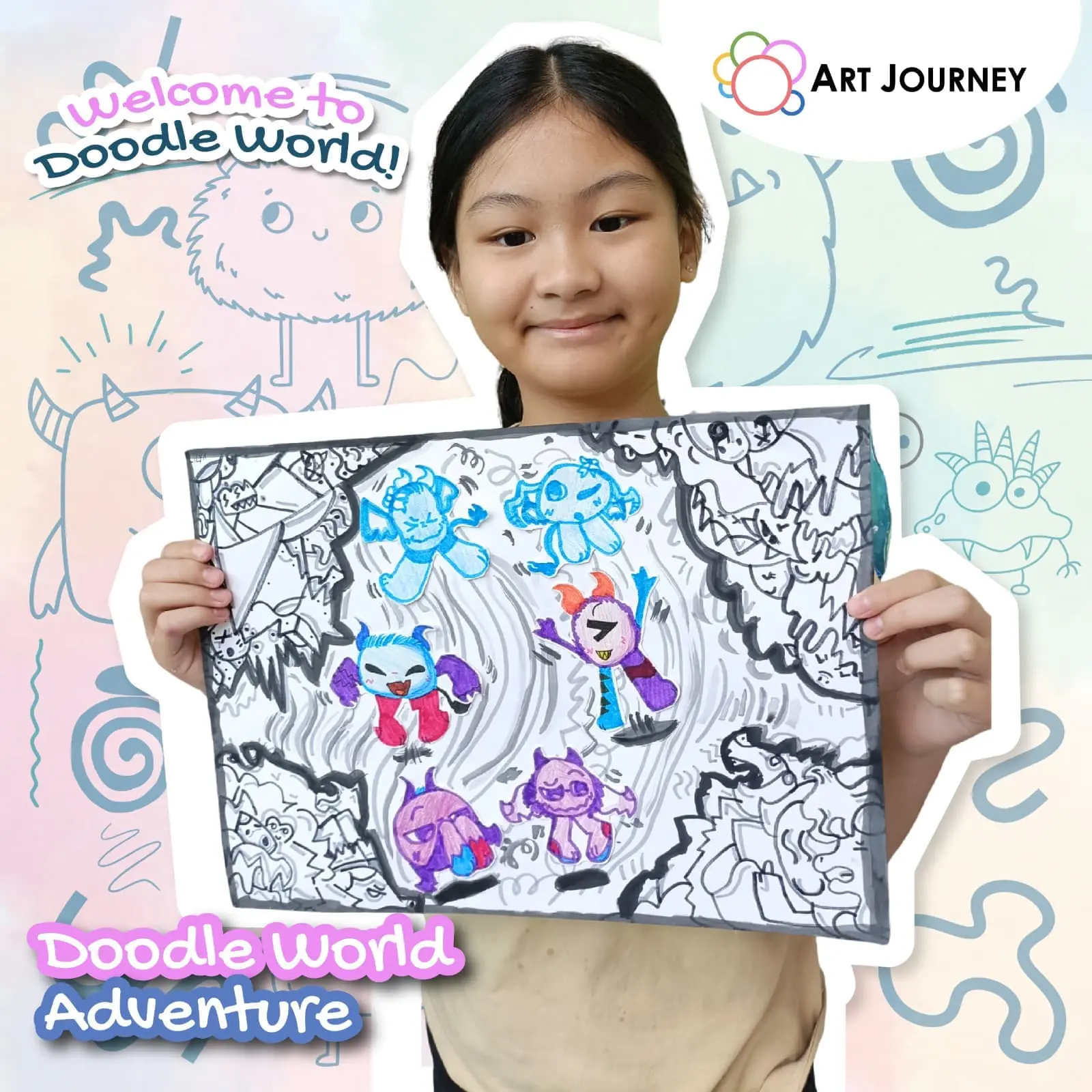
Studios like Art Journey design their creative programs around seasonal progression and milestone recognition, ensuring children feel a sense of accomplishment at every stage.
How Creative Workshops Build Confidence Step by Step
Mastering Foundational Skills
When children learn basic drawing techniques, shading methods, or colour blending, they begin to feel capable. These foundational skills reduce frustration and give them control over their work.
The more skills they master, the more confident they become in tackling complex projects.
Completing Meaningful Projects
Finishing a detailed artwork provides a powerful sense of achievement. Structured workshops often guide children through projects that require patience and multiple steps.
Completing such projects teaches children that effort leads to results — an essential lesson for building resilience.
Receiving Milestone Recognition
Certificates, creative trophies, and artwork collections reinforce achievement. Recognition validates a child’s effort and encourages them to continue improving.
This type of milestone celebration shifts focus from competition to personal growth.
Safe and Supportive Environment
Confidence flourishes in safe spaces. Small group workshops allow children to share ideas, learn from peers, and receive encouragement from instructors.
When mistakes are treated as part of learning, children become less afraid to try new approaches.
The Role of Consistency
Confidence is not built in one session. It grows through repetition and positive reinforcement.
Weekly participation in a creative workshop helps children:
- Strengthen focus and patience
- Develop discipline
- Improve hand control and technique
- Gain familiarity with creative processes
Over time, they become more comfortable expressing themselves.
Consistent programs — such as those offered through structured creative memberships — allow children to move through multiple creative seasons, building confidence progressively.
Beyond Technique: Emotional Growth
Art workshops also support emotional development. Some children struggle to articulate feelings verbally. Through art, they can communicate thoughts and emotions visually.
Creative sessions help children:
- Explore imagination
- Release stress
- Develop emotional awareness
- Build self-acceptance
This emotional confidence is just as valuable as technical skill.
Social Confidence Through Creative Community
In structured workshops, children interact with peers who share similar interests. They learn to:
- Appreciate different artistic styles
- Give positive feedback
- Collaborate during themed projects
- Respect others’ creative perspectives
This social interaction enhances communication skills and strengthens self-assurance.
Additional Confidence Boosters in Structured Programs
Modern creative workshops often include added features that further support growth, such as:
- Seasonal creative themes
- Bonus art jamming sessions
- Workshop exchange options for specialised themes like anime illustration
- Artwork documentation in softcopy or keepsake formats
- Birthday celebration privileges
- Private event opportunities
These elements create a sense of belonging and pride. When children see their artwork documented or displayed, they feel recognised and valued.
Art Journey, for instance, integrates creative seasons, exchange options, and celebration privileges within its structured programs, helping children experience both artistic growth and personal recognition.
How Parents Can Support Confidence at Home
While workshops provide structure, parental support reinforces confidence.
You can:
- Praise effort rather than perfection
- Display your child’s artwork at home
- Ask about the techniques they learned
- Encourage them to explain their creative ideas
When children feel their work is valued, their confidence multiplies.
Choosing the Right Confidence-Building Workshop
If confidence building is your priority, look for workshops that offer:
- Structured seasonal progression
- Regular weekly sessions
- Milestone recognition
- Supportive and experienced instructors
- Long-term creative pathways
Avoid programs that focus only on quick results or trendy themes without developmental structure.
Creative art workshops in Singapore are more than enrichment activities. When thoughtfully structured, they become powerful tools for confidence building.
Through consistent guidance, seasonal progression, and milestone recognition, children learn to believe in their abilities.
A well-designed program — such as those offered by Art Journey — demonstrates how creativity, structure, and recognition can work together to nurture confident young individuals.
Confidence built through art does not stay on the canvas. It carries into classrooms, friendships, and future challenges.
Frequently Asked Questions (FAQ)
- How long does it take for art workshops to build confidence?
Confidence develops gradually. With consistent weekly participation, many parents observe noticeable changes within a few months.
- Are art workshops suitable for shy children?
Yes. Art provides a non-verbal form of expression, which can help shy children communicate comfortably and gain confidence.
- Do children need prior experience to join?
No prior experience is necessary. Structured workshops guide children step by step.
- How does milestone recognition help confidence?
Certificates and creative trophies validate effort and give children a sense of accomplishment.
- Can art workshops improve focus and discipline?
Yes. Completing structured projects requires patience and concentration, which naturally strengthens these skills.
- What should I look for in a confidence-building art program?
Choose a workshop with structured progression, consistent sessions, supportive instructors, and milestone recognition.