









Every child learns differently. Some thrive in structured, step-by-step environments where technique builds over time. Others light up when given freedom, variety, and the space to explore on their own terms. Neither approach is wrong — they serve different children at different stages. But understanding the difference helps you choose the right one. This guide compares traditional art learning with the Art Journey experience — honestly, without pretending one is universally better than the other.
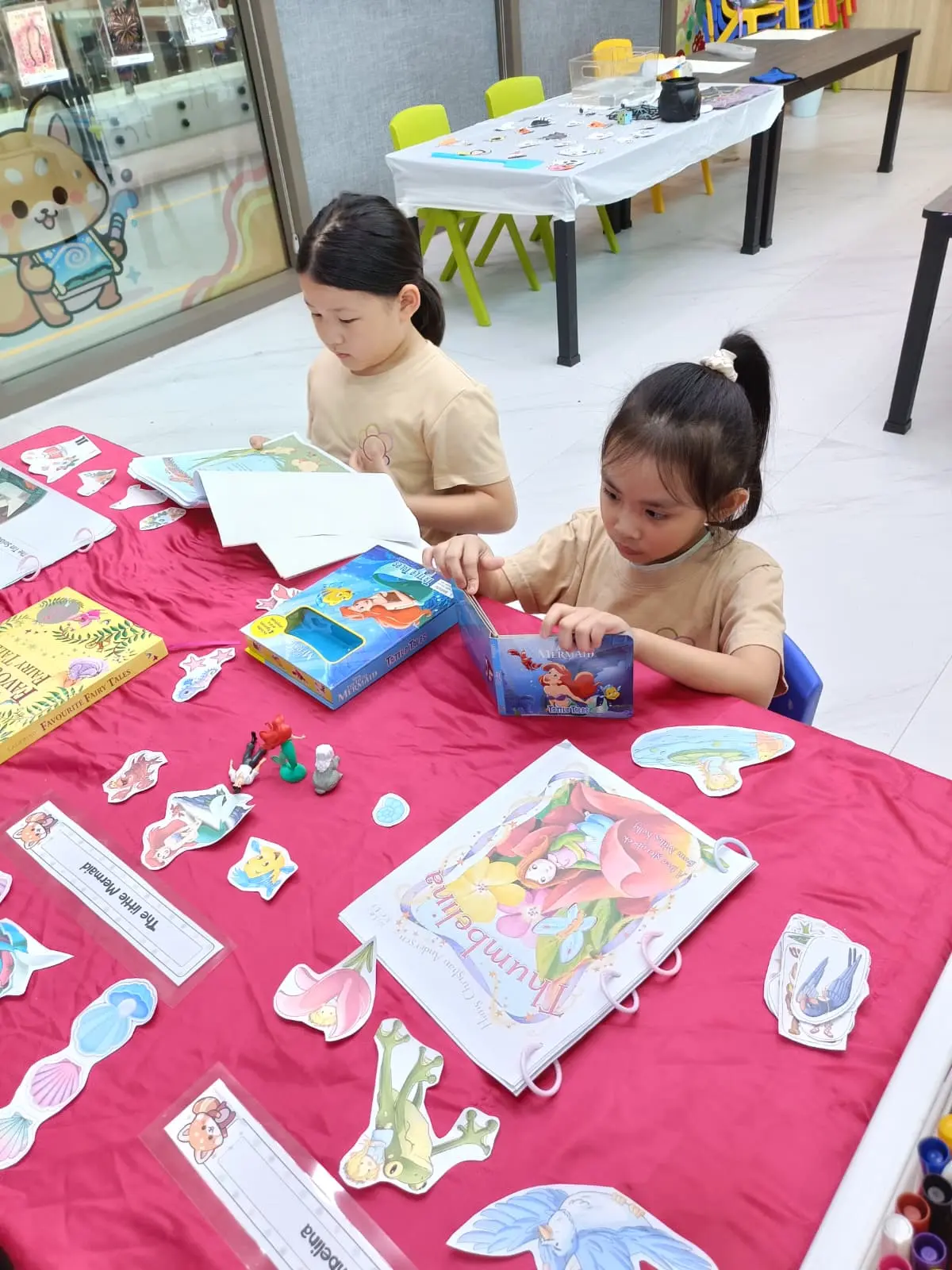
Before we go deeper, here's a high-level overview. Both approaches are legitimate forms of art education — they simply prioritise different things.
- 📐 Structured, syllabus-based progression
- 📐 Technique-focused, teacher-led instruction
- 📐 Fixed weekly schedule, term commitment
- 📐 Focus on skill improvement over time
- 📐 Primarily drawing and painting
- 📐 More suited to older children (7+)
- 📐 Classroom-style, structured environment
- 📐 Step-by-step, follow-the-teacher model
- 🎨 Theme-based creative exploration
- 🎨 Hands-on, imagination-driven ("Dare to Draw, Dare to Express")
- 🎨 Flexible sessions — join anytime, no lock-in
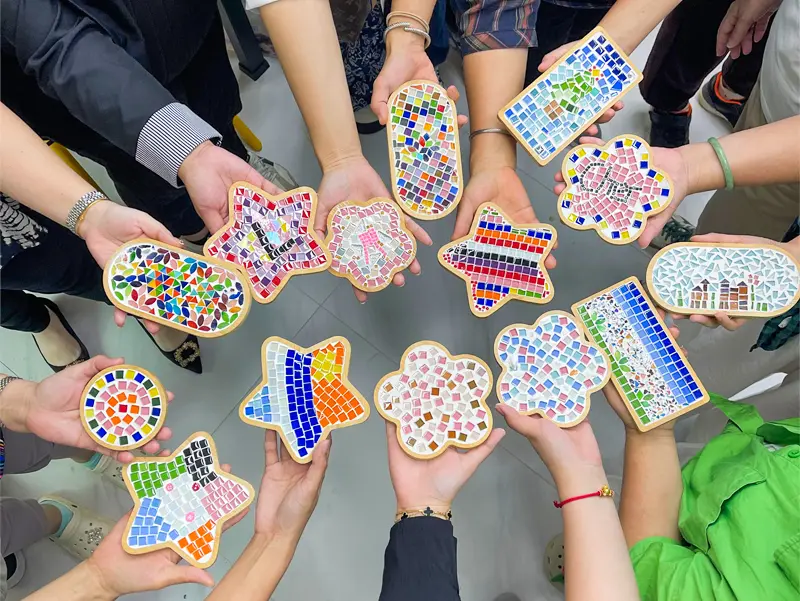
- 🎨 Wide variety: clay, mosaic, sand, mixed media, tin foil…
- 🎨 Every 2 sessions = a completed artwork
- 🎨 Suitable from 3 years old
- 🎨 Relaxed, playful, confidence-building environment
- 🎨 Encourages observation, detail, and creative thinking
Now let's look at each dimension in detail — because the real differences matter more than a checklist suggests.
This is the most fundamental difference, and everything else flows from it.
What children actually work with shapes their experience more than most parents realise.
For Singapore families juggling tuition, sports, and enrichment, how a programme fits into the week matters as much as what it teaches.
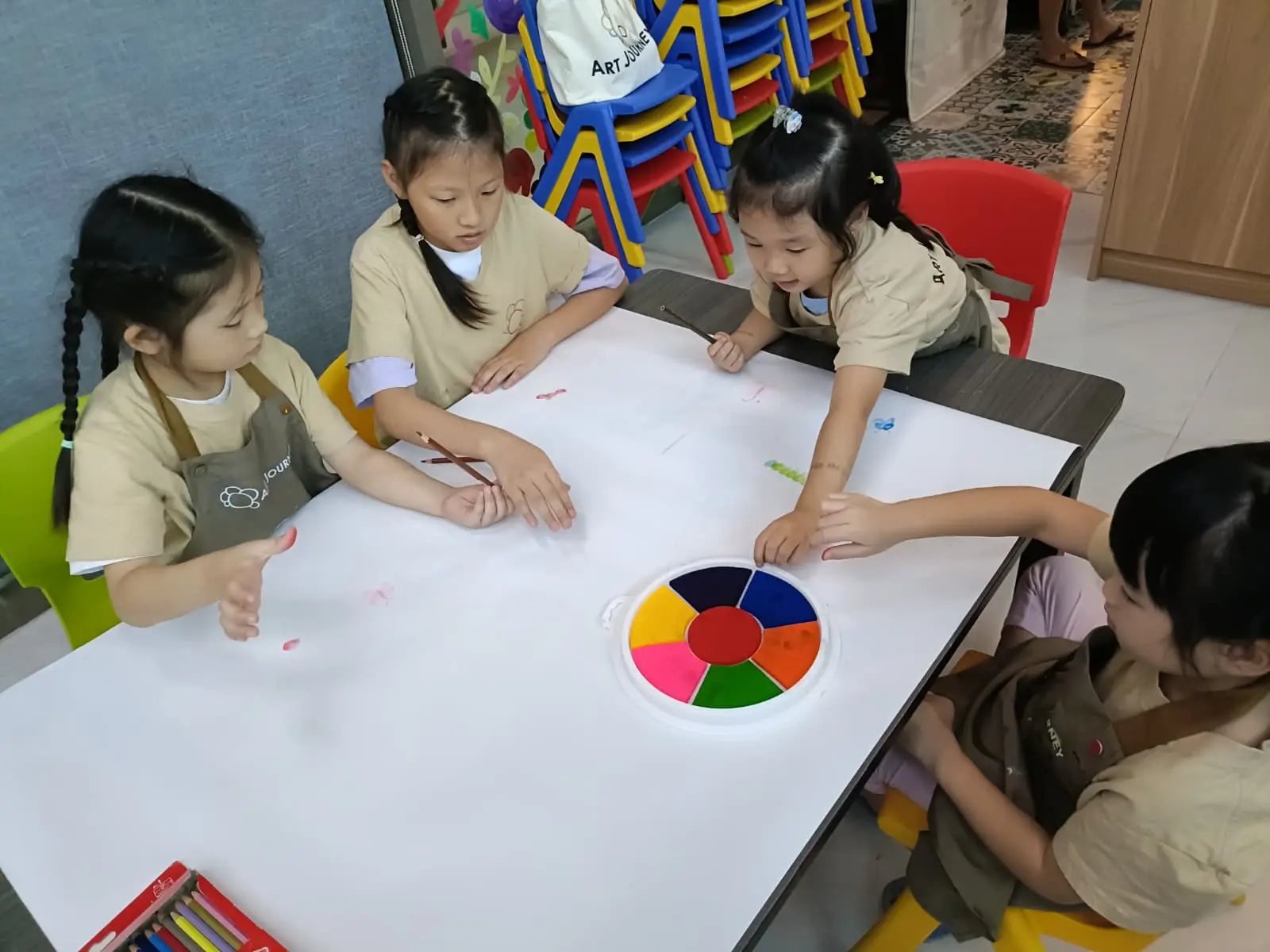
This is a practical consideration that surprises many parents.
Children pick up on the energy of a space within seconds of walking in. The environment shapes the experience as much as the activity itself.
This is perhaps the most important difference — and the one most closely tied to your child's emotional experience.
This child may benefit from a traditional structured programme — especially if they're interested in building technique for DSA or long-term artistic development. Consider supplementing with occasional Art Journey sessions for variety and creative freedom.
Traditional art classes rarely work well before age 7 — the teaching approach assumes cognitive and motor skills that younger children haven't developed yet. Art Journey's sensory-rich, play-based approach is specifically designed for this age group.
Term-based classes with fixed schedules will create friction. Art Journey's flexible booking model lets you attend when it genuinely fits, without penalty for missed weeks.
A child who has decided they "can't draw" often reached that conclusion in a traditional class where their work didn't meet the expected standard. The Art Journey approach — with its variety of materials (clay, mosaic, sand, 3D) and no-grading philosophy — gives these children success experiences that rebuild creative confidence.
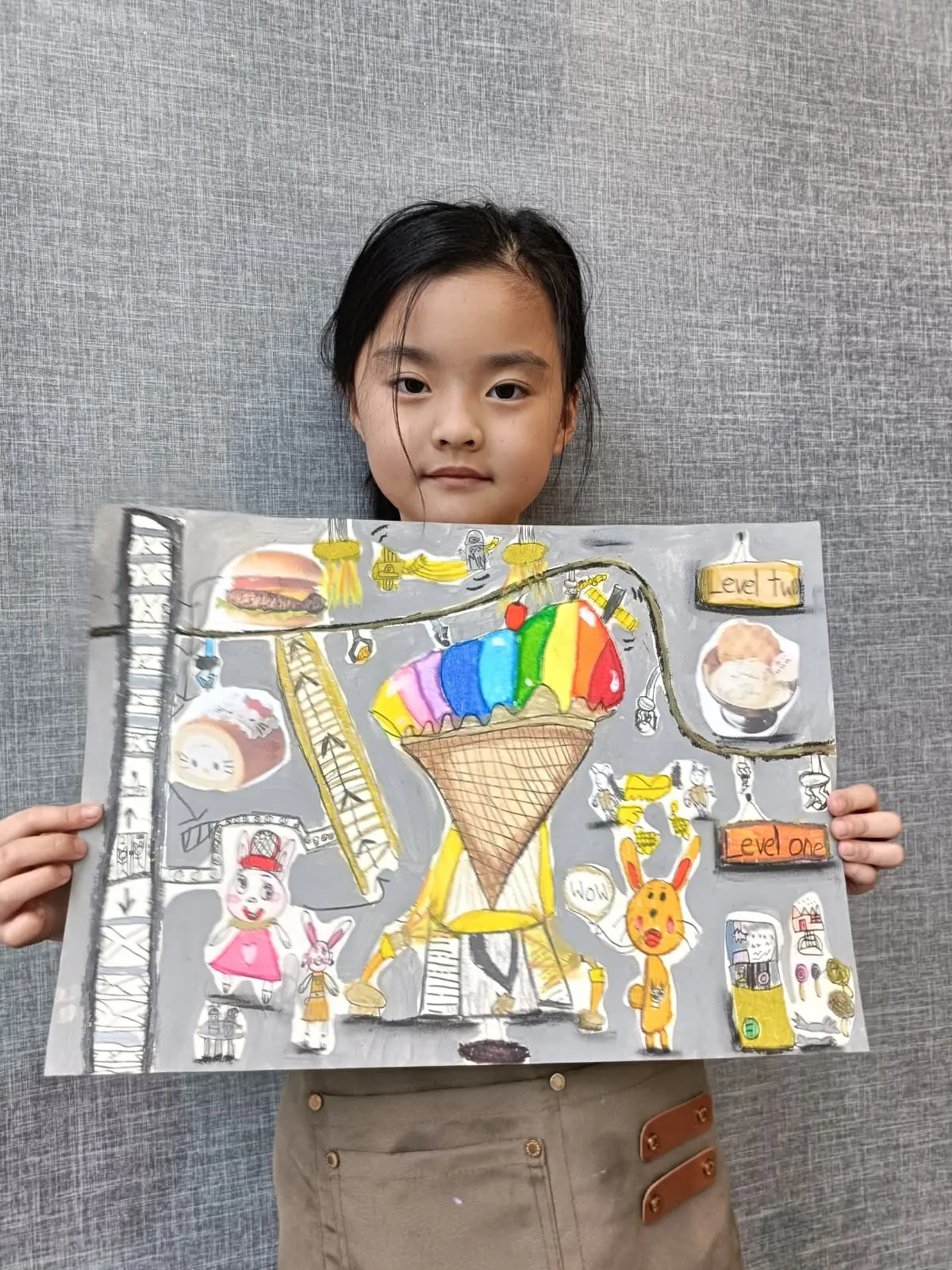
The honest take: Traditional art classes and Art Journey serve different purposes. Traditional classes build technique and discipline — valuable for children pursuing art seriously. Art Journey builds confidence, curiosity, and creative joy — valuable for every child, regardless of whether they'll ever become an "artist." Many families do both, and that combination often works best.
For more on choosing the right format, see our guide on art class vs art workshop, and our age-specific guides for 4–6 year olds and primary school kids.
Book a single session at Art Journey. No commitment, no term, no experience needed. Let your child try our approach — and decide whether it's the right fit.
Book a Trial SessionTraditional art classes follow a syllabus-based approach with teacher-led technique instruction, fixed schedules, and progressive skill-building — primarily in drawing and painting. Art Journey uses a theme-based, child-led approach inspired by Piaget, Montessori, and Reggio Emilia — offering a wide range of materials (canvas, clay, mosaic, 3D, sand art), flexible scheduling, and a focus on creative exploration rather than technique replication.
Neither is universally better — they serve different children and goals. Traditional classes suit children who want structured skill progression and are preparing for DSA or formal art pathways. Art Journey suits children who benefit from variety, creative freedom, and a no-pressure environment. Many families combine both approaches.
Art Journey accepts children from age 3 — for both workshops and art jamming. The sensory-rich, play-based approach is specifically designed for younger children's developmental needs. Sessions are split into Young Creator (ages 4–7) and Emerging Artist (ages 8–12). Most traditional art classes work best from age 7 onwards.
Both — but in a different way from traditional instruction. Children develop real skills (colour mixing, composition, spatial reasoning, fine motor control, observation) through guided exploration rather than teacher-led demonstration. The skills emerge naturally through the creative process, supported by instructors who observe and guide each child individually.
Yes — this is one of Art Journey's strengths. Children who believe they "can't draw" often regain creative confidence through non-drawing formats like mosaic art, clay sculpture, and 3D figurine painting. The no-grading, no-comparison environment removes the pressure that caused the confidence loss in the first place.
These are child development frameworks that share a core principle: children learn best through hands-on exploration, not passive instruction. In practice at Art Journey, this means children choose their own approach to themes, work with diverse materials, make their own creative decisions, and are encouraged rather than corrected. The instructor's role is to guide and support — not to direct.
No. Art Journey operates on a per-session basis — book one session or book ten, entirely at your own pace and schedule. There's no term commitment, no contract, and no penalty for missing weeks. This flexibility is one of the key practical differences from traditional art class programmes.