





10 Art Skills Every Child Should Build Before Primary School in 2026
As Singapore’s education landscape becomes more dynamic and creativity-driven, art skills are gaining recognition as essential tools for early learning. Before stepping into Primary 1, children benefit significantly from creative exposure that strengthens cognitive development, emotional resilience, and motor coordination.
For parents preparing their little ones for school in 2026, focusing on foundational art skills can give them a strong head start — not only academically, but socially and emotionally too.
At Art Journey Singapore, we see how simple creative activities boost confidence, independence, and focus in preschool-aged children. Here are the 10 most important art skills your child should build before entering Primary School in 2026.
1. Basic Drawing and Doodling Skills
Drawing is more than just fun — it builds hand strength, concentration, and creativity. By 2026, preschools will place greater emphasis on drawing as a developmental tool.
Kids should be comfortable with:
- Holding crayons or pencils correctly
- Drawing basic shapes
- Simple doodles and outlines
- Sketching everyday objects
These early drawing skills help children perform better in writing tasks once they begin school.
2. Colour Recognition and Mixing
Understanding colours is an important readiness skill. Children should be able to recognise and name basic colours, and ideally explore colour mixing.
Skills include:
- Identifying primary and secondary colours
- Mixing colours to create new ones
- Understanding warm vs cool tones
Colour knowledge supports vocabulary growth, pattern recognition, and observation skills.
3. Cutting and Crafting Skills
Cutting with scissors takes coordination and control. Before Primary 1, kids should practise:
- Holding scissors safely
- Cutting along lines
- Snipping paper shapes
- Basic craft assembly
This skill strengthens fine motor control — essential for daily school activities like writing, folding worksheets, or opening packaging.
4. Painting Techniques and Brush Control
Painting teaches children expression and patience. Preschoolers should explore:
- Holding a brush properly
- Using light and firm strokes
- Filling in shapes
- Painting simple compositions
Brush control helps kids develop steady hand movements and enhances focus.
5. Basic Clay Modelling and Sculpting
Clay work supports sensory development and improves hand strength. Children should try:
- Rolling clay into balls or coils
- Pressing, shaping, and flattening
- Making simple forms like animals or objects
Clay modelling is especially helpful for kids with lower hand muscle strength or sensory needs.
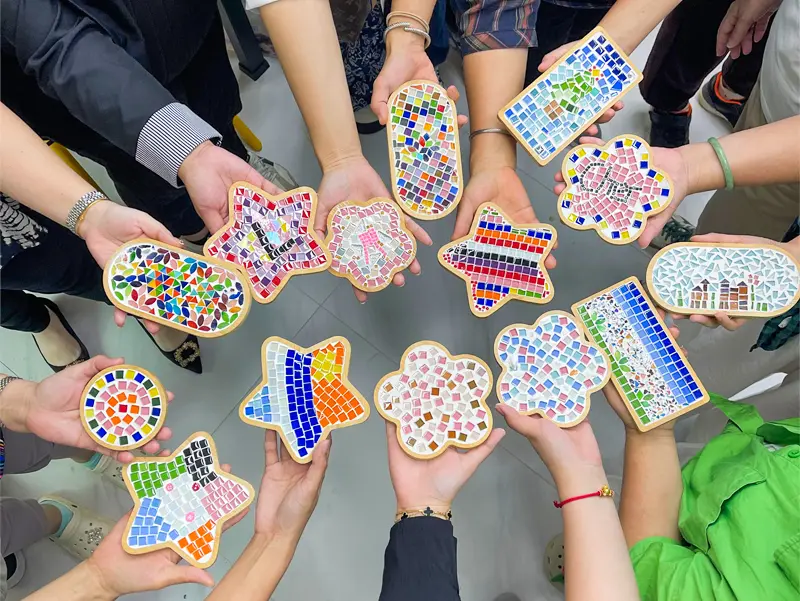
6. Mosaic and Pattern-Making Skills
Mosaic art is trending in 2026 because it improves concentration and problem-solving. Children can practise:
- Placing tiles carefully
- Recognising patterns
- Arranging shapes
- Creating simple mosaic pictures
This boosts math readiness through spatial awareness and sequencing.
7. Creative Storytelling Through Art
Before P1, kids should learn to express ideas visually. They do this naturally through:
- Drawing stories
- Painting characters
- Creating simple scene art
- Explaining their artwork
Storytelling through art strengthens language development and confidence in communication.
8. Understanding Simple Instructions and Art Sequences
Art workshops help children follow steps — a crucial Primary School skill. Kids should practise:
- Listening to simple art instructions
- Completing activities in order
- Cleaning up after art tasks
This builds discipline, focus, and school-readiness behaviours.
9. Experimenting With Materials and Textures
Creative exploration boosts sensory development and curiosity. Before P1, children should experience:
- Crayons, markers, and paint
- Sponges, stamps, and rollers
- Clay and dough
- Paper textures and mixed media
Kids learn confidence when they’re free to explore different textures and tools.
10. Building Confidence and Independence in Art
The most important skill of all is confidence. Children entering Primary School in 2026 should feel comfortable creating, experimenting, and expressing themselves — without fear of mistakes.
Confidence-building activities include:
- Choosing colours independently
- Trying new techniques
- Completing art pieces with minimal help
- Sharing their artwork proudly
Kids who trust their ideas become more resilient learners in school.
Why These Art Skills Matter for Primary School Readiness
Art isn’t just about creativity; it supports essential areas such as:
- Letter formation and handwriting
- Focus and classroom behaviour
- Fine motor control
- Emotional expression
- Problem-solving
- Communication skills
- Self-confidence
In 2026, schools will value well-rounded children who can think creatively and handle tasks independently — skills that art naturally develops.
Art Journey Singapore: Preparing Preschoolers for Primary 1 Through Art
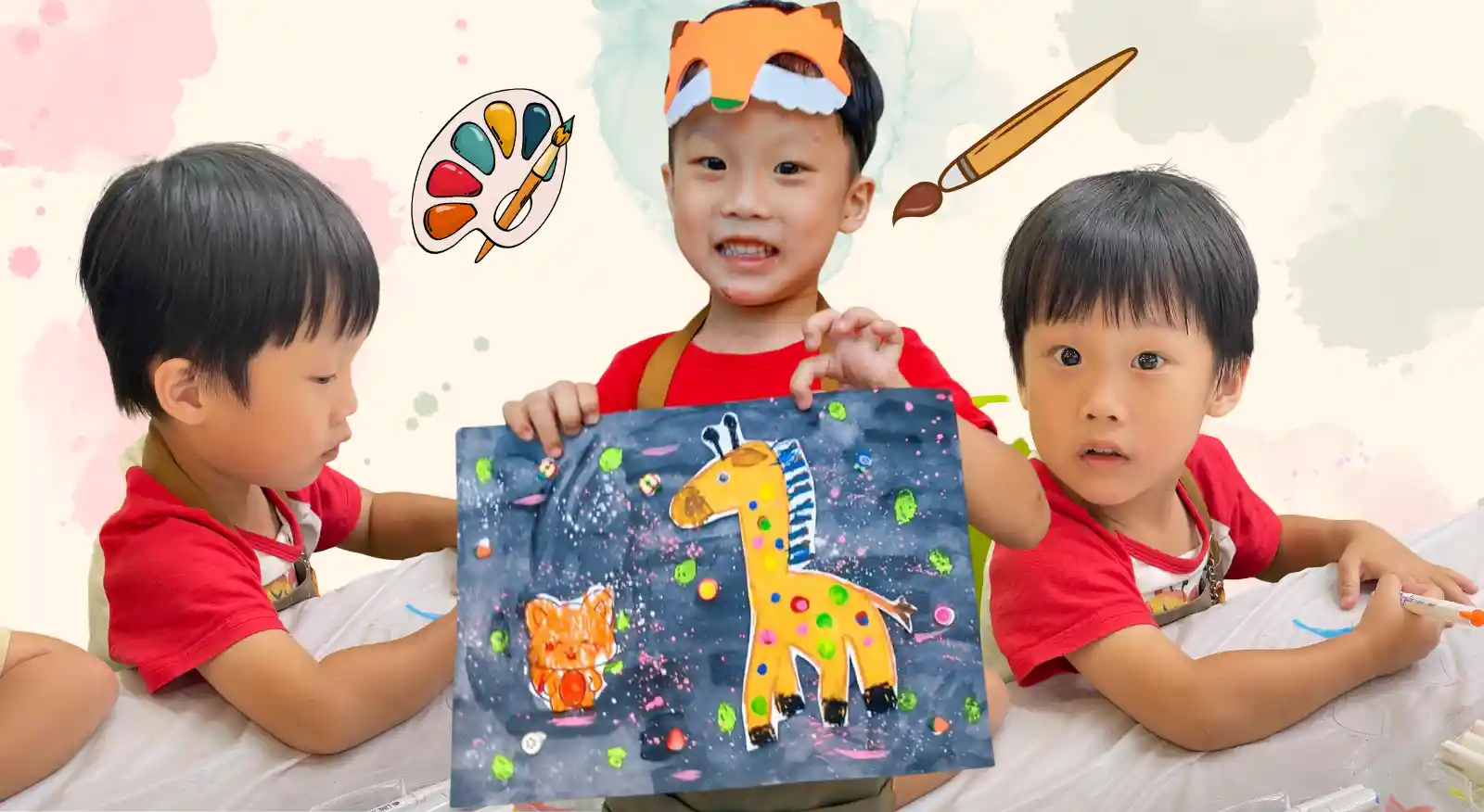
At Art Journey, our programmes introduce children aged 4–6 to the key art skills they need before starting Primary School. Through mosaic art, painting, clay, and mixed media, preschoolers build confidence while strengthening their developmental foundation.
Our workshops are:
- Guided by patient instructors
- Suitable for beginners
- Fun, meaningful, and hands-on
- Designed to support emotional and cognitive growth
Every child leaves with a sense of pride — and skills that prepare them for a confident start in Primary 1.
FAQs: Art Skills for Preschoolers in 2026
- What age should my child start learning art skills?
Children can begin exploring art as early as 2–3 years old, with structured art workshops ideal from age 4.
- Do these art skills help with academic learning?
Yes. Art supports handwriting, early math, focus, memory, language, and problem-solving.
- What if my child isn’t “good” at drawing?
Art is not about perfection. Every child benefits from creative exploration, regardless of skill.
- How often should preschoolers attend art workshops?
Once a week is ideal for steady development and confidence-building.
- Are the materials safe for young kids?
At Art Journey, all materials are non-toxic, child-safe, and age-appropriate.
- What’s the best kind of art activity to start with?
Start simple: colouring, finger painting, clay play, and mosaic patterns are great beginner activities.