






10 Early Childhood Skills Strengthened Through Art in 2026
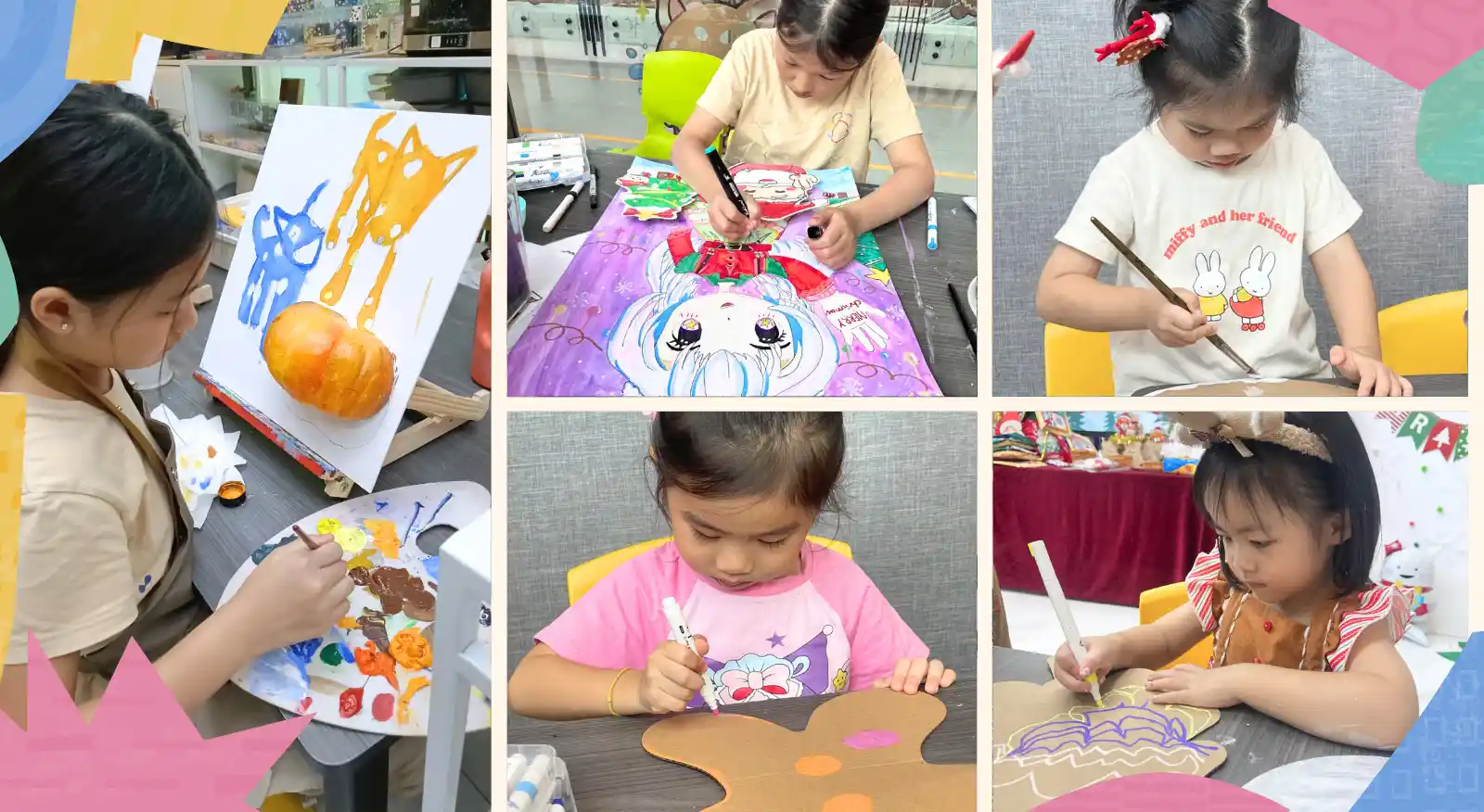
Early childhood education in 2026 is no longer focused only on letters, numbers, and worksheets. Parents and educators now recognise that art plays a powerful role in shaping a child’s overall development. From painting and drawing to crafting and hands-on creative play, art activities help young children build critical life skills in ways that feel natural and enjoyable.
Here are 10 key early childhood skills that art strengthens in 2026, and why creative activities are more important than ever.
1. Fine Motor Skills
Art activities such as colouring, cutting, painting, and assembling crafts strengthen small hand muscles. These fine motor skills are essential for tasks like writing, buttoning clothes, and using utensils.
In 2026, early childhood programs increasingly use art to prepare children for academic and daily-life skills without pressure.
2. Hand-Eye Coordination
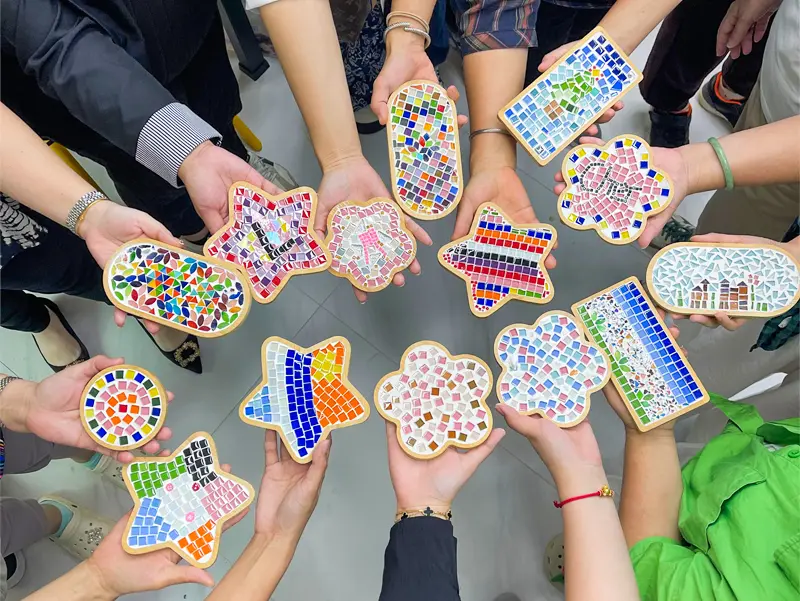
When children paint within shapes, glue pieces together, or place tiles carefully, they practise coordinating what they see with how their hands move. This skill supports reading, writing, sports, and everyday tasks.
Art provides a fun, low-stress way for children to develop coordination naturally.
3. Creativity and Imagination
Art gives children the freedom to imagine, experiment, and create without “right” or “wrong” answers. In 2026, creativity is viewed as a core life skill that supports innovation, adaptability, and problem-solving.
Through art, children learn to think beyond instructions and express original ideas.
4. Emotional Expression
Young children often struggle to verbalise emotions. Art allows them to express feelings through colours, shapes, and images.
In 2026, art is widely used to support emotional development, helping children:
- Express happiness, frustration, or excitement
- Feel understood and validated
- Develop emotional awareness early
5. Focus and Attention Span
Completing an art project requires children to stay engaged for a period of time. Whether finishing a painting or assembling a craft, children practise focusing on a single task.
This skill is especially valuable in 2026, as children are exposed to shorter attention spans due to digital distractions.
6. Problem-Solving Skills
Art often presents small challenges:
- Which colours work together?
- How do pieces fit?
- What happens if something doesn’t go as planned?
These moments encourage children to think, adjust, and try again—key problem-solving skills that extend far beyond art.
7. Confidence and Self-Esteem
Completing an artwork gives children a sense of achievement. When their creations are appreciated, children feel proud of their efforts.
In 2026, building confidence early is seen as crucial for helping children become resilient learners who are not afraid to try new things.
8. Patience and Perseverance
Art teaches children that good results take time. Waiting for paint to dry, fixing mistakes, or finishing detailed work helps children practise patience.
These experiences strengthen perseverance—an essential skill for learning, relationships, and future challenges.
9. Social and Communication Skills
Group art activities encourage sharing materials, taking turns, and discussing ideas. Children learn to communicate, collaborate, and respect others’ creativity.
Art provides a natural setting for social development, especially for shy or reserved children.
10. Early Decision-Making Skills
Choosing colours, materials, and designs helps children practise making decisions independently. These small choices build confidence and independence.
In 2026, encouraging decision-making from a young age is seen as a key part of raising confident and capable children.
Why Art Is More Important Than Ever in 2026
With increasing academic expectations and screen exposure, children need balanced learning experiences. Art provides:
- Hands-on engagement
- Emotional support
- Cognitive development
- A joyful learning process
Rather than replacing academics, art enhances a child’s ability to learn across all areas.
Frequently Asked Questions (FAQ)
At what age should children start art activities?
Children can begin simple art activities as early as 18 months, using age-appropriate materials and guidance.
Does art really help with academic readiness?
Yes. Art strengthens fine motor skills, focus, problem-solving, and confidence—all of which support early reading and writing.
What types of art are best for young children?
Painting, drawing, simple crafts, collage-making, and sensory-based art are ideal for early childhood development.
How often should children do art activities?
Even 1–2 art sessions per week can significantly support developmental growth when done consistently.
Is art suitable for children who are not “creative”?
Absolutely. Art is about exploration and expression, not talent. Every child benefits from creative experiences.