





10 Home Art Activities Singapore Parents Will Love in 2026
With parents in Singapore becoming increasingly focused on creativity, emotional wellness, and hands-on learning, home art activities are set to become one of the biggest family trends in 2026. While enrichment classes and workshops remain important, parents also want meaningful, screen-free ways to keep their kids engaged at home.
The good news? You don’t need a fully stocked art studio to create fun, creative experiences. Simple tools, everyday materials, and a little imagination can turn your home into a space where kids explore colours, craft ideas, relax, and express themselves.
Here are 10 home art activities Singapore parents will love trying with their children in 2026 — all kid-friendly, mess-friendly, and developmentally meaningful.
1. Simple Canvas Painting Sessions
Canvas art remains one of the easiest and most satisfying home activities. Kids enjoy choosing colours, imagining scenes, and bringing their ideas to life.
You only need:
- Small canvases
- Acrylic paints
- Brushes or sponges
Allow your child to choose themes such as animals, rainbows, cartoon characters, or abstract art. This activity builds confidence, creativity, and fine motor skills.
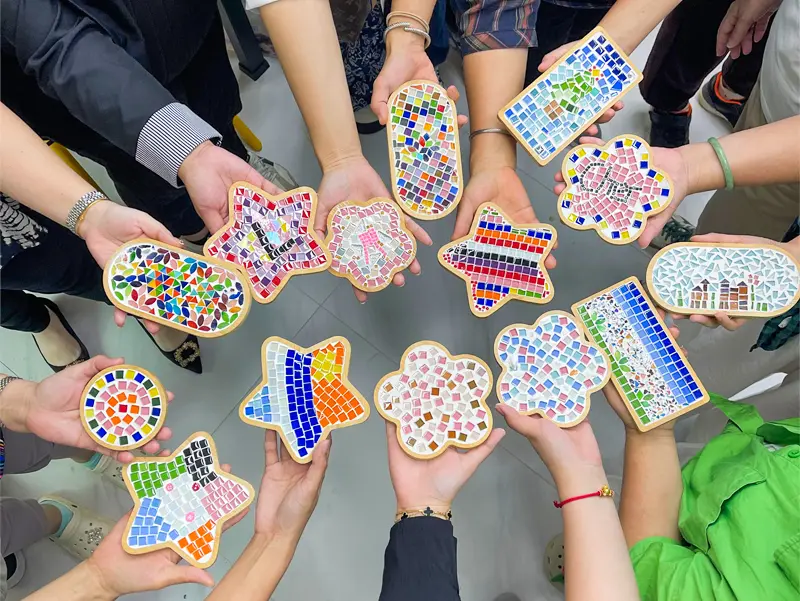
2. DIY Mosaic Boards with Stick-On Tiles
Mosaic art is trending everywhere, and by 2026, parents will bring this craft into their homes. Stick-on mosaic tiles make it easy and safe for young children.
Benefits include:
- Improving focus
- Enhancing patience
- Boosting spatial awareness
- Producing a neat final artwork
It’s also a calming activity, perfect for winding down after school.
3. Tie-Dye Fashion Crafting
Tie-dye will continue to be a top DIY trend. Parents can help kids design:
- T-shirts
- Tote bags
- Pillowcases
- Bandanas
The process—folding, tying, dyeing, unwrapping—is full of excitement and surprise. Kids love wearing or using what they created.
4. Watercolour Blending Art
Watercolour painting teaches softness, blending, and patience. It is ideal for calming the mind and encouraging gentle expression.
Parents can guide kids to create:
- Sunset skies
- Flowing patterns
- Floral shapes
- Abstract art
This activity also helps children understand colour mixing and brush control.
5. Clay Play and Mini Sculptures
Clay offers sensory-rich fun and endless creativity. Kids can make:
- Animals
- Mini food items
- Characters
- Decorations
Air-dry clay makes the process simple and less messy. Clay crafting builds hand strength, dexterity, and imagination.
6. DIY Bookmark Decorating
A simple, fun craft loved by kids of all ages. Parents can prepare plain bookmarks and let children decorate them using:
- Stickers
- Markers
- Washi tapes
- Glitter pens
- Stamps
Kids proudly use the bookmarks for school reading — making the activity both creative and practical.
7. Nature-Inspired Leaf Art
Singapore’s parks, gardens, and playgrounds are perfect for collecting leaves of different shapes. At home, children can:
- Paint leaves
- Use them as stamps
- Create leaf collages
- Make nature scenes
This activity helps kids appreciate the environment while stimulating imaginative play.
8. Recycled Craft Projects
In 2026, sustainability will be a stronger focus among families. Parents will encourage kids to turn household items into art.
Ideas include:
- Toilet roll rockets
- Bottle cap mosaics
- Cereal box dioramas
- Paper bag puppets
Recycled crafting teaches creativity, problem-solving, and environmental awareness.
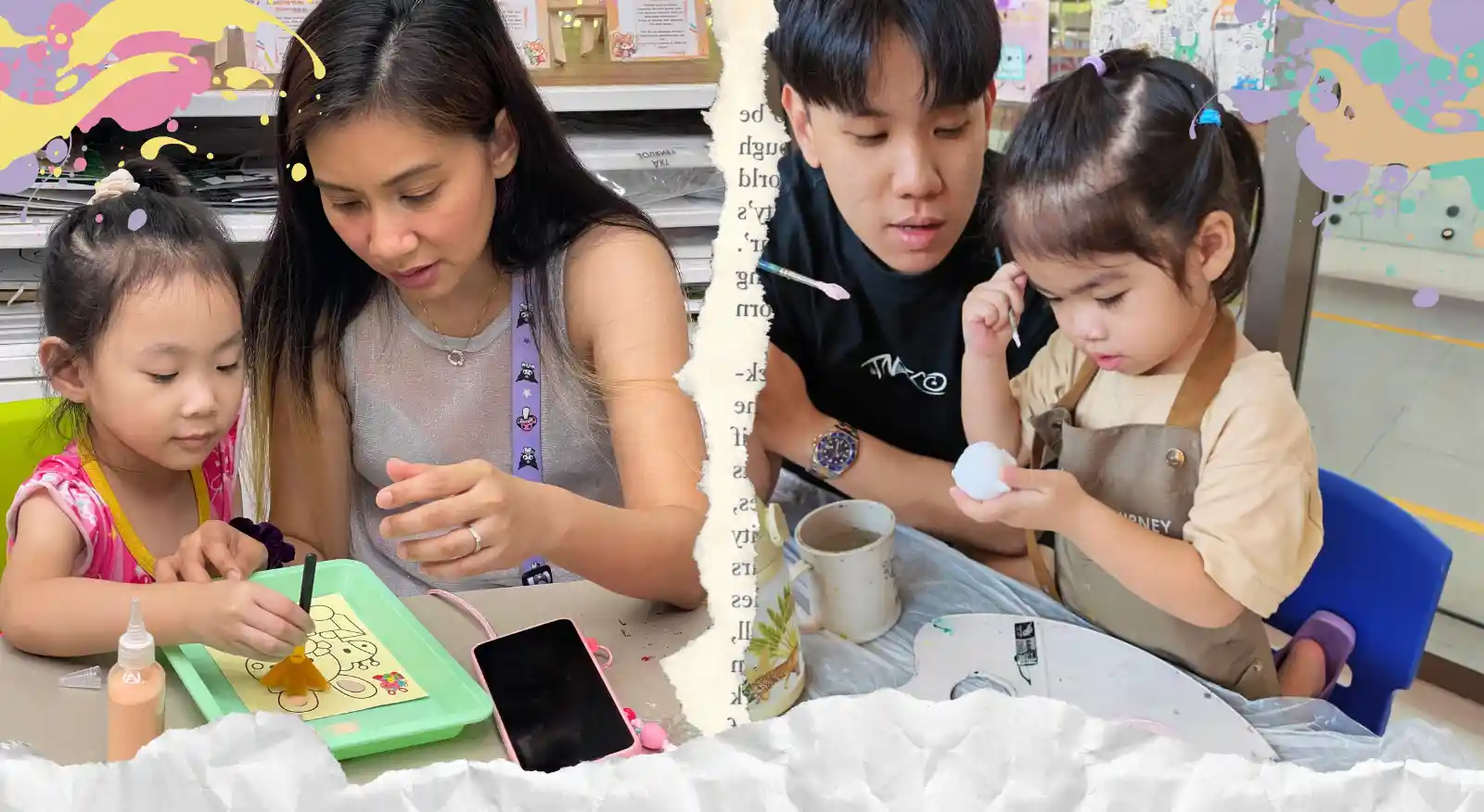
9. Parent-Child Collaborative Art Pieces
One of the most meaningful trends of 2026 will be collaborative art. Parents and children paint or design together on one large canvas.
Benefits include:
- Strengthening family bonding
- Encouraging teamwork
- Creating a keepsake to display at home
It’s a beautiful way to celebrate creativity and connection.
10. Mixed Media Art Exploration
Mixed media combines multiple materials to create one expressive artwork. Kids can use:
- Paint
- Buttons
- Fabric scraps
- Paper cutouts
- Glitter
- Clay elements
This form of art encourages open-ended exploration—perfect for boosting imagination and helping children feel confident in creative decision-making.
Why Home Art Activities Matter in 2026
Home art activities offer countless benefits, such as:
- Reducing screen time
- Supporting emotional expression
- Strengthening fine motor skills
- Improving focus and patience
- Encouraging independent thinking
- Creating meaningful parent-child moments
With busy schedules and increased digital exposure, 2026 will be the year parents bring creativity into everyday home life.
Art Journey Singapore: Supporting Creativity at Home and Beyond
While home activities provide daily creative opportunities, workshops at Art Journey Singapore allow children to explore deeper techniques and guided projects. Parents often combine home creativity with weekend workshops to encourage consistent growth, confidence, and joy.
Art Journey offers:
- Canvas painting
- Mosaic art
- Clay workshops
- Mixed media projects
- Holiday camps
- Parent-child sessions
Kids take home artworks they treasure — and skills they’ll carry into the future.
FAQs: Home Art Activities for Singapore Kids in 2026
- Are home art activities suitable for all ages?
Yes. Many activities on this list work for children aged 4–12, with simpler options available for toddlers.
- Do I need expensive materials to start?
Not at all. Very simple tools — paper, paint, markers, and glue — are enough to begin. Recycled items also work beautifully.
- How often should kids do home art?
Even once or twice a week can significantly boost creativity and emotional well-being.
- How do I prevent mess during home art?
Use table covers, washable paints, and set up a designated art corner. Preparation makes cleanup easy.
- Can home art replace art classes?
Home art complements workshops, but guided classes help children learn proper techniques and more advanced skills.
- What’s the easiest activity for beginners?
Canvas painting, bookmark decorating, and mosaic stick-on boards are great starting points.