






10 Skills Kids Will Need in 2026 — And How Art Helps Build Them
The world our children are growing up in is changing faster than ever. By 2026, success will no longer depend only on academic results. Employers, educators, and parents increasingly agree that children need a strong mix of life skills, emotional intelligence, creativity, and adaptability to thrive.
Singapore parents are already rethinking enrichment choices, looking beyond tuition and worksheets toward activities that prepare children for real-life challenges. One powerful, often underestimated tool in building these future-ready skills is art.
At Art Journey Singapore, we see how creative workshops naturally nurture the skills children will need most in 2026. Here are the 10 key skills every child should develop — and how art plays a vital role in building each one.
1. Creativity and Original Thinking
Creativity will be one of the most valuable skills in 2026. Children need to generate ideas, think beyond standard answers, and approach challenges imaginatively.
Art helps by:
- Encouraging original ideas
- Allowing freedom of expression
- Teaching kids there’s more than one solution
- Building confidence in unique thinking
When children paint, craft, or design freely, they practise creative thinking without fear of being “wrong.”
2. Problem-Solving Skills
Every art activity involves problem-solving. From choosing colours to fixing mistakes, children constantly make decisions.
Through art, kids learn to:
- Analyse situations
- Try different approaches
- Adapt when things don’t go as planned
- Turn mistakes into opportunities
These habits directly translate into academic learning and everyday life challenges.
3. Emotional Intelligence (EQ)
In 2026, emotional intelligence will be just as important as IQ. Children must understand their emotions, empathise with others, and regulate stress.
Art supports EQ by:
- Offering a safe outlet for emotions
- Helping kids express feelings through colours and shapes
- Encouraging reflection and emotional awareness
- Reducing anxiety through calming activities
Creative expression builds emotionally resilient children.
4. Focus and Attention Span
With digital distractions everywhere, the ability to focus will be a critical skill in 2026.
Art activities strengthen focus by:
- Requiring sustained attention
- Encouraging patience
- Training kids to complete tasks step by step
- Helping children enjoy slow, mindful work
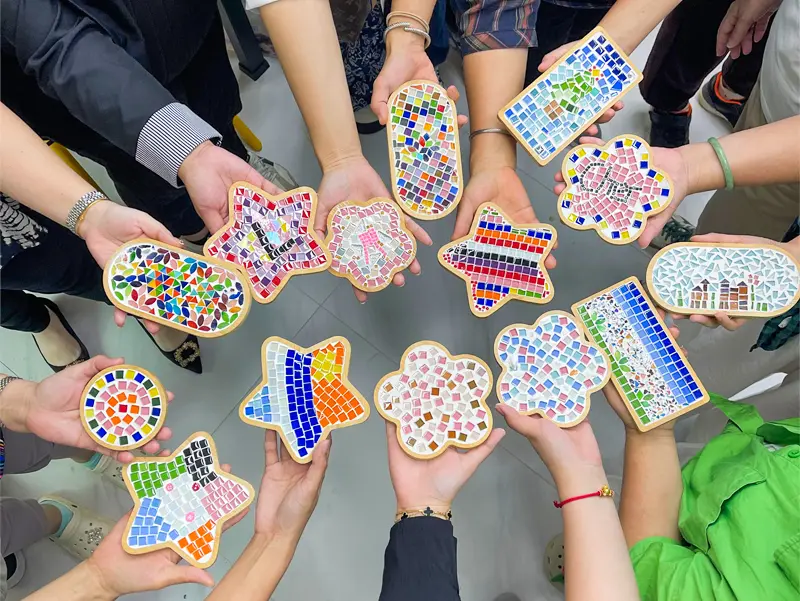
Activities like mosaic art or detailed painting naturally improve concentration.
5. Confidence and Self-Belief
Children who believe in themselves are more willing to try, learn, and grow. Art builds confidence because it celebrates effort and individuality.
Art helps children:
- Feel proud of their creations
- Trust their ideas
- Overcome fear of mistakes
- Develop a strong sense of self-worth
Completing an artwork gives children tangible proof of their abilities.
6. Communication and Expression
Not all children are comfortable expressing themselves verbally. In 2026, the ability to communicate ideas clearly — in different forms — will be essential.
Art enhances communication by:
- Allowing visual storytelling
- Encouraging explanation of ideas
- Building confidence in sharing thoughts
- Supporting language development through creative discussion
Children learn that their ideas matter and can be shared in many ways.
7. Adaptability and Flexibility
The future is unpredictable. Children need to adapt to change and think flexibly.
Art teaches adaptability by:
- Encouraging experimentation
- Normalising change in plans
- Helping kids adjust when outcomes differ
- Building openness to new ideas
Flexible thinkers cope better with change and uncertainty.
8. Collaboration and Social Skills
Many art workshops involve group activities where children share materials, space, and ideas.
Through collaborative art, kids learn to:
- Communicate respectfully
- Cooperate with peers
- Listen and compromise
- Appreciate different perspectives
These social skills are crucial for school, teamwork, and future workplaces.
9. Fine Motor Skills and Coordination
Strong motor skills support writing, daily tasks, and classroom readiness. Art activities naturally strengthen these abilities.
Art improves:
- Hand strength
- Hand-eye coordination
- Precision and control
- Dexterity through cutting, painting, and sculpting
These skills form the foundation for academic success in early schooling.
10. Resilience and Growth Mindset
In 2026, children need resilience — the ability to bounce back from challenges.
Art builds resilience by teaching children to:
- Accept mistakes
- Try again
- Learn through practice
- Enjoy progress rather than perfection
This growth mindset helps children face challenges with confidence and positivity.
Why Art Is a Powerful Skill-Building Tool
Art combines learning, play, and emotional development in a way few activities can. It is:
- Hands-on
- Low-pressure
- Engaging
- Emotionally supportive
- Developmentally rich
Rather than teaching skills in isolation, art integrates them naturally — making learning enjoyable and meaningful.
Art Journey Singapore: Preparing Kids for the Skills of 2026
At Art Journey Singapore, workshops are designed to help children build these essential skills through creative exploration. From canvas painting and mosaic art to clay modelling and mixed media projects, children grow in confidence, focus, and emotional balance.
Parents choose Art Journey because we offer:
- Child-friendly, pressure-free environments
- Guided hands-on learning
- Opportunities for expression and confidence-building
- Workshops for different ages and needs
Art becomes more than an activity — it becomes preparation for life.
FAQs: Skills Kids Need in 2026
- Why are these skills important for children in 2026?
The future values creativity, adaptability, emotional intelligence, and problem-solving more than rote memorisation.
- Can art really help build life skills?
Yes. Art develops cognitive, emotional, and social skills naturally through hands-on experiences.
- At what age should kids start building these skills?
Children can start developing these skills from age 4, with growth continuing through regular creative practice.
- How often should children attend art workshops?
Once or twice a week is ideal, combined with creative activities at home.
- Is art useful for children who struggle academically?
Absolutely. Art builds confidence, focus, and resilience, which often improves academic performance.
- Why choose Art Journey Singapore for skill-building?
Art Journey offers joyful, meaningful workshops that support real-world skills in a nurturing, child-friendly environment.