





11 Reasons Art Will Dominate Singapore’s Enrichment Scene in 2026
Singapore’s enrichment landscape has always evolved alongside educational priorities and societal needs. As we approach 2026, one clear trend is emerging across enrichment centres, schools, and family programmes—art is no longer an optional activity, but a core part of holistic development.
In Singapore, parents are becoming more intentional about how their children spend time outside school. Beyond academic excellence, there is a growing emphasis on creativity, emotional resilience, focus, and lifelong skills. Art enrichment meets these needs in ways traditional tuition cannot.
Here are 11 reasons art is set to dominate Singapore’s enrichment scene in 2026.
1. Shift From Academic-Only Success to Holistic Development
Parents are increasingly aware that grades alone do not define long-term success. Skills such as creativity, adaptability, and emotional intelligence are now seen as equally important.
Art nurtures these qualities naturally. Through drawing, painting, and hands-on creation, children learn to think independently, explore ideas, and express emotions—skills that extend far beyond the classroom.
2. Art Builds Future-Ready Skills That AI Cannot Replace
As artificial intelligence reshapes the workforce, uniquely human skills are becoming more valuable. Creativity, imagination, and original thinking cannot be automated.
Art enrichment develops:
- Creative problem-solving
- Conceptual thinking
- Visual communication
- Innovation and ideation
These are precisely the skills future employers will seek.
3. Growing Focus on Children’s Mental and Emotional Well-Being
Mental well-being is now a key concern for parents and educators alike. Art provides a safe and non-verbal outlet for children to express emotions they may not yet have words for.
Regular art engagement helps children:
- Reduce stress and anxiety
- Improve emotional awareness
- Build self-confidence
- Develop patience and focus
This makes art enrichment especially relevant in a fast-paced urban environment like Singapore.
4. Demand for Screen-Free Learning Experiences
With increased screen exposure from school and home devices, parents are actively seeking screen-free activities.
Art offers:
- Hands-on, tactile experiences
- Real-world sensory engagement
- Reduced digital dependency
By 2026, enrichment centres that offer meaningful offline experiences will continue to gain popularity.
5. Art Encourages Individuality in a Structured Education System
Singapore’s education system is structured and performance-driven. Art provides a counterbalance by allowing children to explore freely without fear of right or wrong answers.
This freedom:
- Encourages individuality
- Builds confidence in personal ideas
- Supports self-directed learning
Parents increasingly value enrichment programmes that allow children to be themselves.
6. Increased Acceptance of Non-Traditional Learning Paths
The definition of “enrichment” is expanding. Parents are now open to programmes that focus on creativity, exploration, and personal growth rather than academic acceleration alone.
Art-based enrichment is seen as:
- Meaningful, not recreational
- Developmental, not optional
- Long-term skill-building
This mindset shift will continue to elevate art’s role in 2026.
7. Art Strengthens Focus and Attention Span
Contrary to the belief that art is unstructured, many art activities require sustained attention and careful planning.
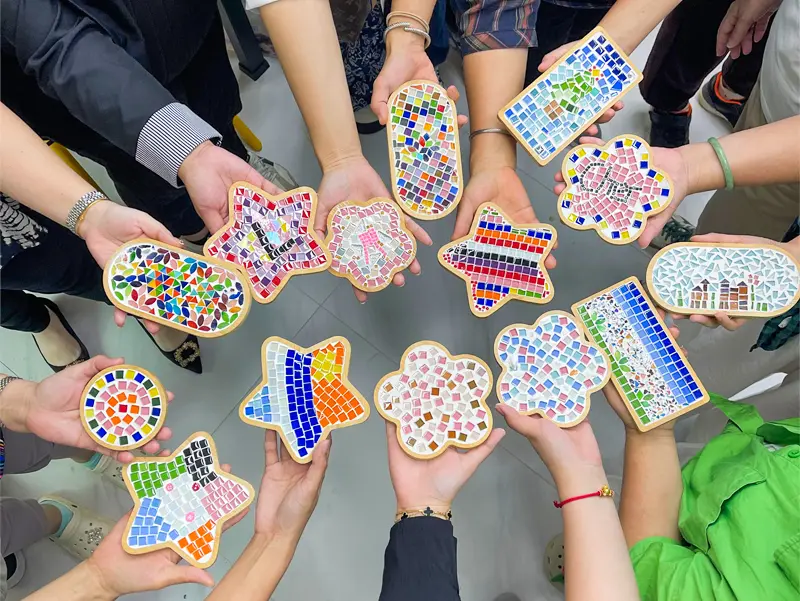
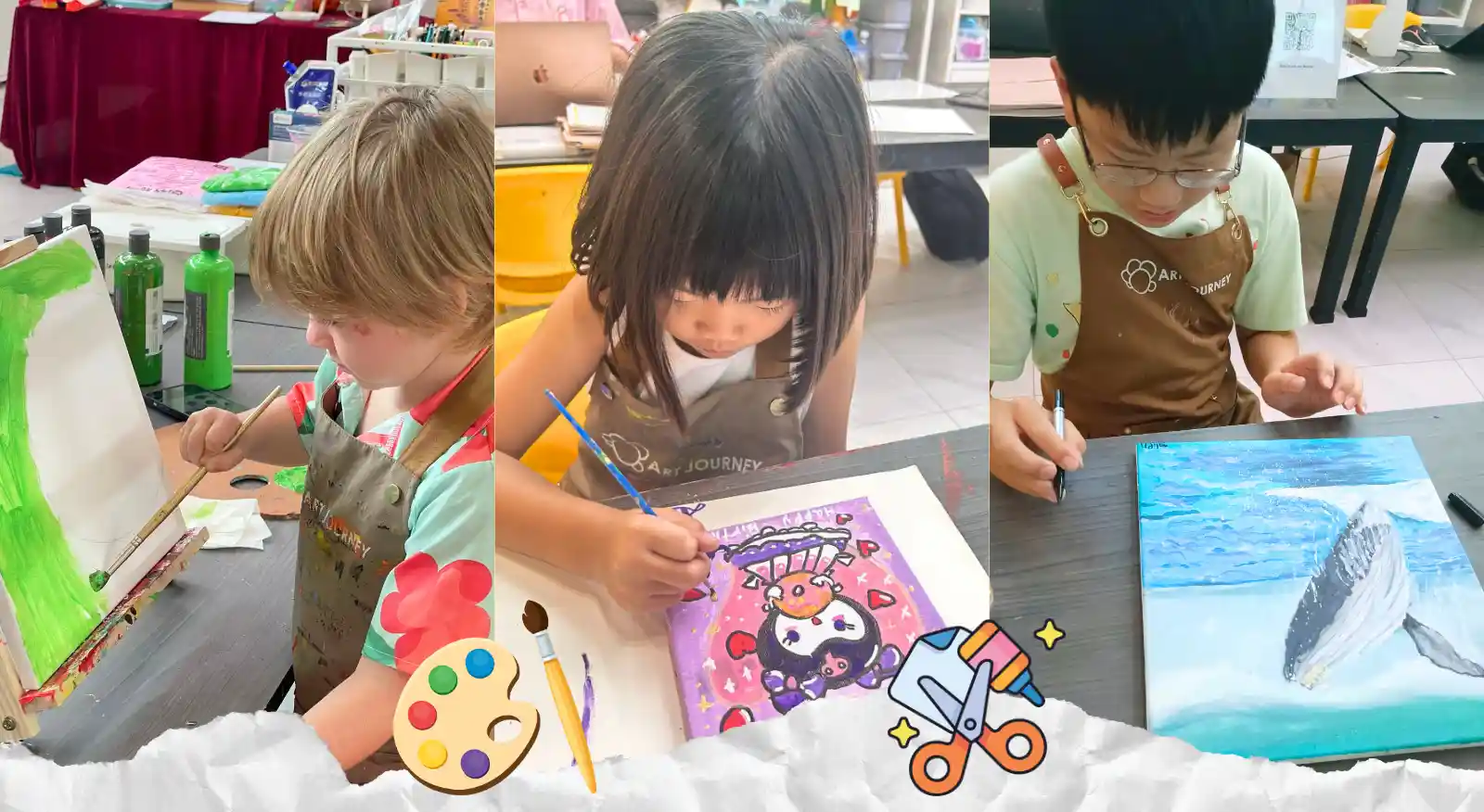
Through activities such as canvas painting or mosaic art, children practise:
- Concentration
- Sequencing
- Patience
- Task completion
These skills directly support learning in school and daily life.
8. Art Supports Different Learning Styles
Not all children learn best through textbooks or verbal instruction. Visual and kinesthetic learners benefit greatly from art-based learning.
Art enrichment allows children to:
- Learn through doing
- Visualise concepts
- Engage multiple senses
This inclusive nature makes art suitable for a wide range of learners.
9. Family-Centric Enrichment Is on the Rise
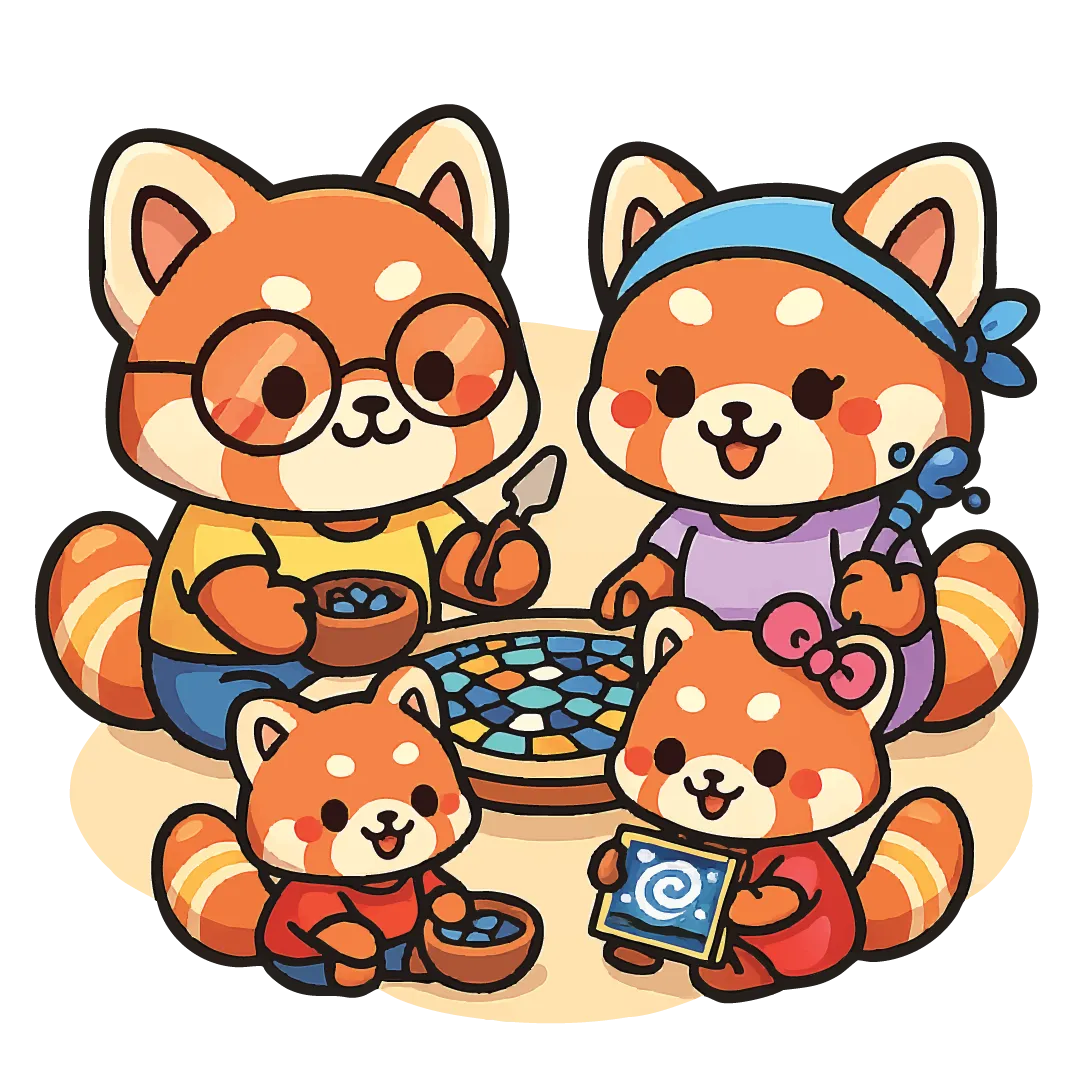
Families are prioritising experiences they can share together. Parent-and-child art sessions are becoming more common, allowing families to bond through creativity.
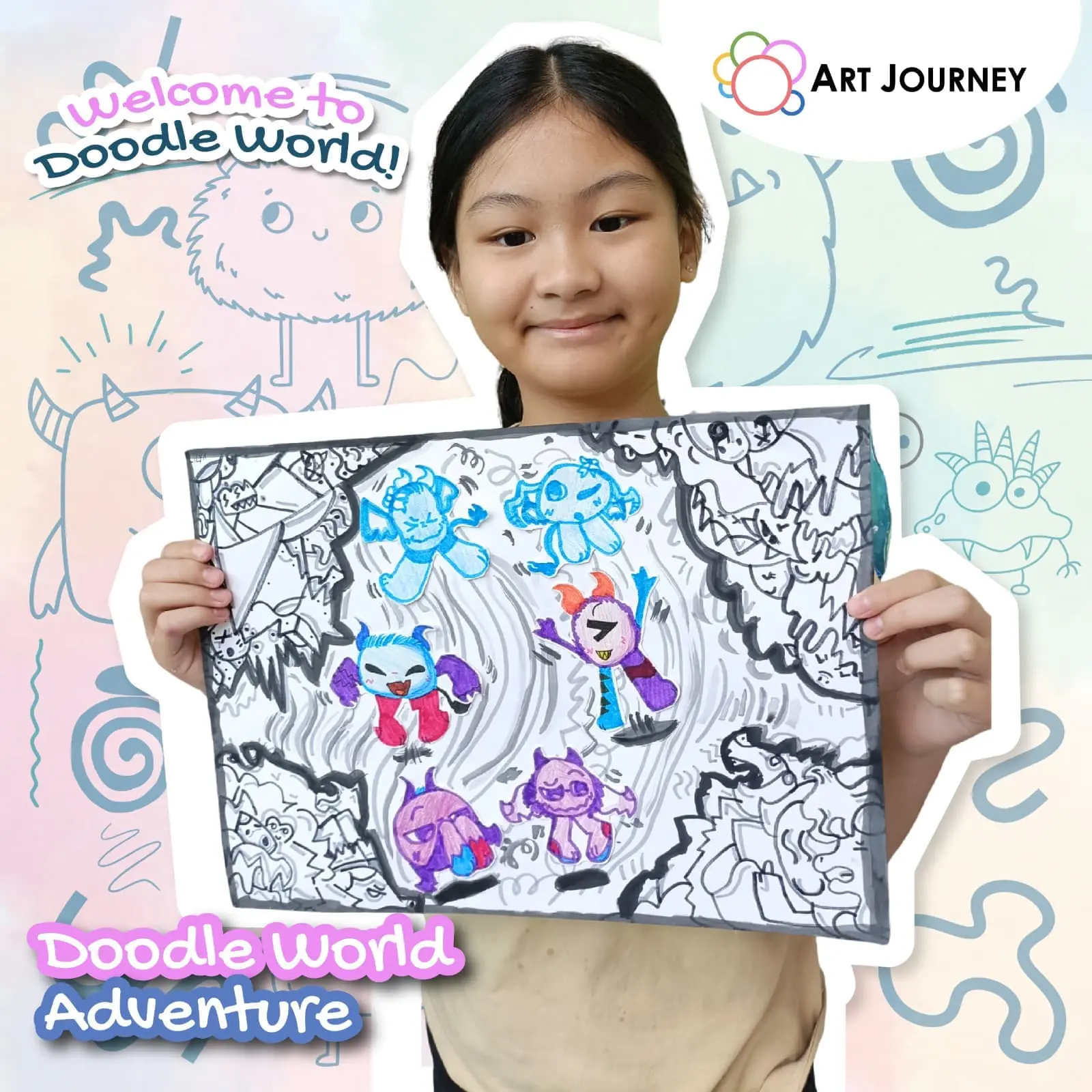
Studios such as Art Journey reflect this shift by offering art experiences that focus on connection and shared exploration rather than rigid instruction.
This family-centric approach aligns well with 2026 lifestyle trends.
10. Art Fits Well Into Flexible Weekend Schedules
Unlike rigid tuition programmes, art enrichment is often offered in flexible formats—weekend workshops, short courses, or drop-in sessions.
This flexibility:
- Reduces pressure on children
- Fits modern family schedules
- Encourages consistent participation
As parents seek balance rather than overload, art becomes an ideal enrichment choice.
11. Art Is No Longer Seen as “Just a Hobby”
Perhaps the biggest shift is perception. Art is now recognised as:
- A developmental tool
- A confidence builder
- A foundation for innovation
By 2026, art enrichment will no longer compete with academic tuition—it will complement it as a necessary part of childhood development.
The Future of Enrichment in Singapore
Singapore’s enrichment scene is evolving toward balance—where academic learning coexists with creativity, emotional intelligence, and self-expression. Art sits at the centre of this transformation.
As parents look ahead to 2026, enrichment choices will increasingly reflect long-term development rather than short-term results. Art-based programmes, whether through structured classes or open creative sessions, are well-positioned to lead this change.
Frequently Asked Questions (FAQ)
Why is art becoming more popular as an enrichment choice in Singapore?
Parents are increasingly prioritising holistic development over academic performance alone. Art supports creativity, emotional expression, focus, and confidence—skills that are difficult to develop through traditional tuition.
Is art enrichment suitable for all children?
Yes. Art enrichment supports different learning styles, including visual and hands-on learners. It is especially helpful for children who may not thrive in rigid academic settings.
How does art help children prepare for the future?
Art develops creativity, problem-solving, and original thinking—skills that cannot be replaced by automation or artificial intelligence. These abilities are increasingly valued in future workplaces.
Can art enrichment improve focus and patience?
Yes. Many art activities require sustained attention, planning, and step-by-step execution. Over time, children naturally improve their ability to focus and complete tasks.
Is art enrichment only for younger children?
No. While younger children benefit from sensory exploration, older children gain deeper skills such as conceptual thinking, visual communication, and creative confidence through art.
How is art different from other enrichment programmes?
Art does not rely on right or wrong answers. It encourages exploration, individuality, and self-expression, making learning more personal and less stressful.
Are art programmes too unstructured to be beneficial?
Well-designed art programmes balance guidance with creative freedom. This structure helps children learn techniques while still developing independence and originality.
Does art enrichment support emotional well-being?
Yes. Art provides a safe outlet for emotions and helps children process feelings non-verbally, supporting mental and emotional health.
Will art replace academic enrichment in 2026?
Art is not replacing academics. Instead, it complements academic learning by developing essential life skills that traditional subjects may not address fully.
Why will art dominate the enrichment scene specifically in 2026?
Shifts in education priorities, mental well-being awareness, screen fatigue, and future workforce demands are aligning—making art one of the most relevant enrichment choices moving forward.
Is art enrichment suitable for families with busy schedules?
Yes. Art programmes are often flexible, offering weekend workshops, short sessions, and family-based formats that suit modern lifestyles.