








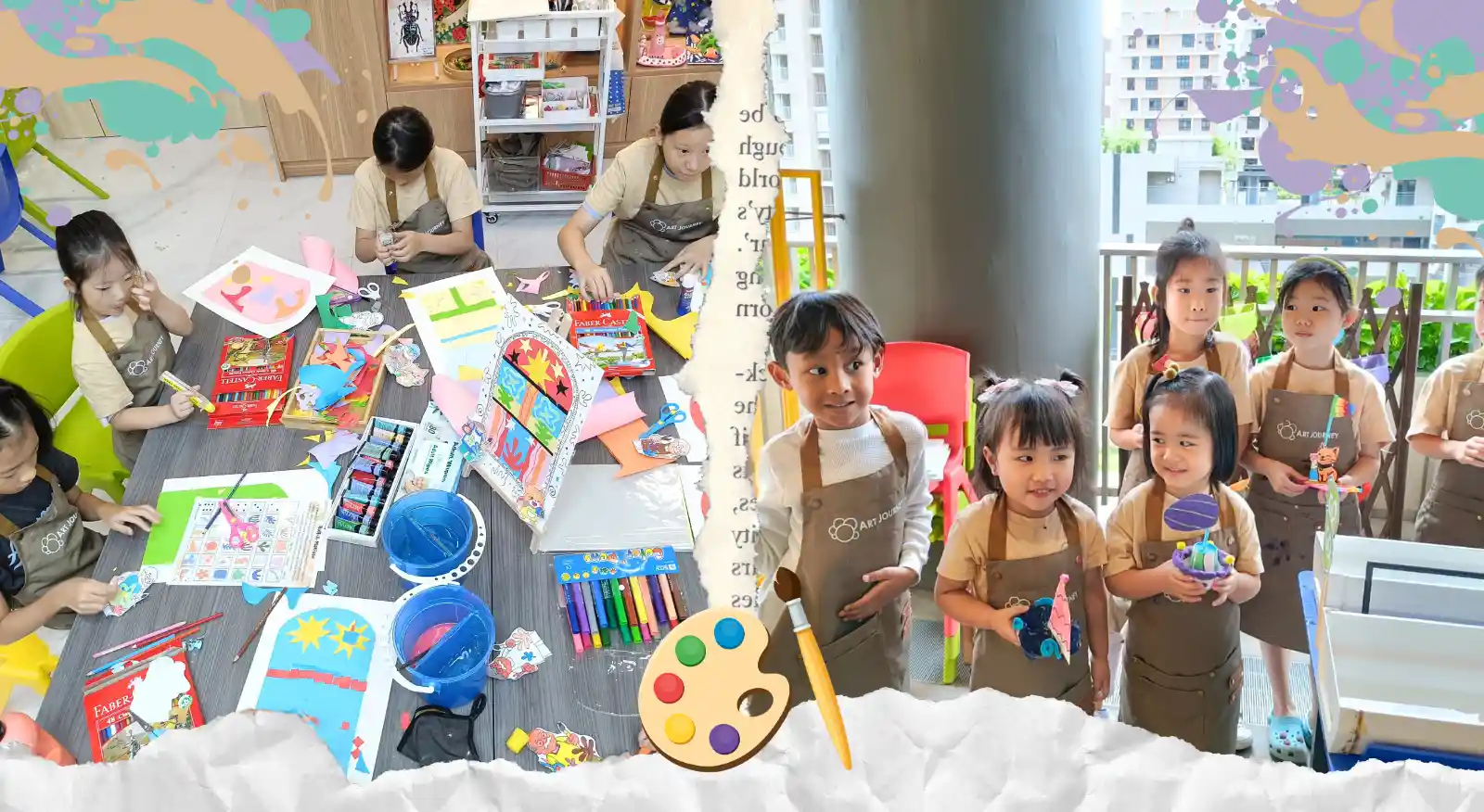
12 Signs Your Child Will Thrive in an Art Workshop
Every child has a unique way of learning and expressing themselves. While some excel in academics or sports, others shine when given the chance to explore creativity. For parents, the question often is: Is my child ready for an art workshop?
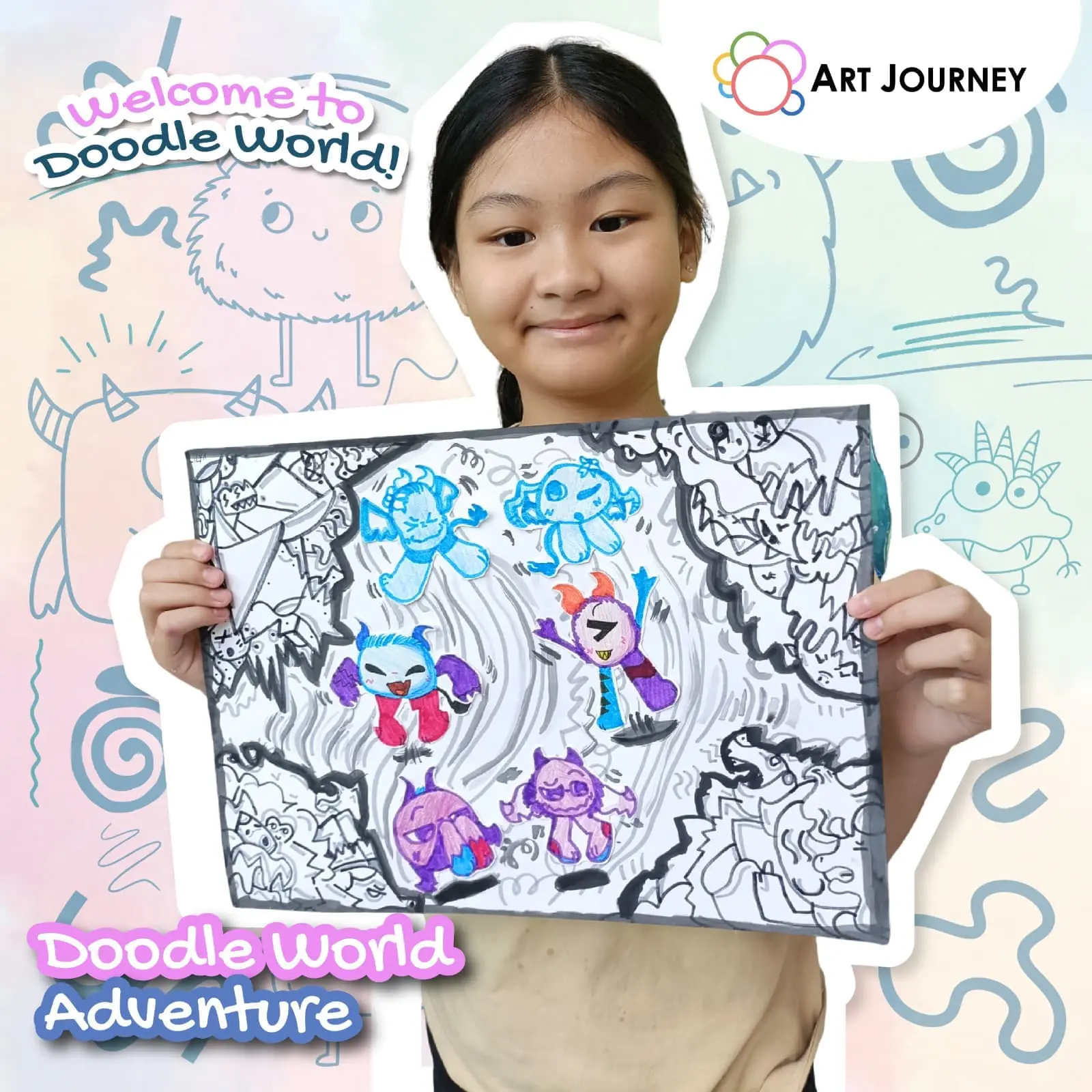
Art workshops are more than just about painting or crafting. They help kids build confidence, learn patience, and discover new ways of expressing themselves. In Singapore, studios like Art Journey provide structured yet fun environments where children can freely experiment with colors, textures, and ideas.
If you’re wondering whether an art workshop might be the right fit for your child, here are 12 signs they’re likely to thrive in one.
1. They Love Doodling or Drawing Everywhere
If your child can’t resist picking up crayons, pencils, or markers—even doodling on the back of homework sheets—it’s a strong sign of artistic curiosity.
2. They Enjoy Exploring Colors
Children who get excited about mixing paints, choosing bright markers, or noticing patterns in everyday life often thrive in creative environments like workshops.
3. They Show Patience for Hands-On Activities
Art requires time and focus. If your child can sit quietly working on puzzles, building blocks, or coloring for extended periods, they already have the patience that workshops build upon.
4. They Like Creating Things with Their Hands
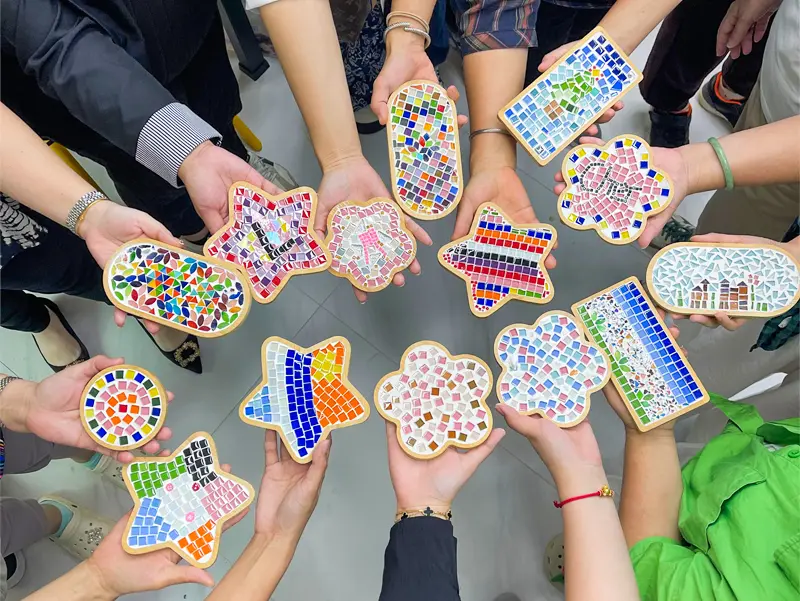
From Lego towers to paper crafts, children who enjoy hands-on play often adapt well to art workshops. The tactile experience of painting, cutting, or assembling mosaics appeals to their sense of touch and creativity.
5. They Express Emotions Through Creativity
Some children show feelings through drawings or crafts instead of words. Art workshops give them a safe outlet to express emotions in constructive ways, boosting self-awareness.
6. They Take Pride in Sharing Their Work
If your child regularly runs to you with drawings or proudly shows teachers their art, it’s a clear indicator they’ll enjoy the recognition and encouragement that comes with workshop projects.
7. They Are Curious About Trying New Activities
Children who are open to exploring new hobbies—whether it’s trying clay, painting on canvas, or collage art—will thrive in workshops that introduce a variety of mediums.
8. They Can Follow Simple Instructions
Even in creative spaces, children need to listen to guidance and follow safety rules. Kids who respond well to instructions while adding their own flair are ideal candidates for workshops.
9. They Work Well Alone or in Groups
Workshops often balance independent projects with group activities. Children who enjoy both solo play and group collaboration are well-suited for these environments.
10. They Show Imagination in Everyday Play
Does your child turn cardboard boxes into castles or pretend a stick is a magic wand? A vivid imagination is one of the clearest signs they’ll thrive in a workshop designed to celebrate creativity.
11. They Stay Engaged in Storytelling or Crafting
Children who listen attentively during storytelling, or lose themselves in making crafts at school, often thrive in art workshops where creative narratives inspire their work.
12. They Get Excited About Taking Things Home
Kids who enjoy keeping their school art projects or proudly gifting handmade crafts will love workshops where they get to take home unique creations as memories.
Why These Signs Matter
Not every child has the same learning style, but kids who show curiosity, patience, and a love for expression often find workshops deeply rewarding. In Singapore, spaces like Art Journey provide the right balance of guidance and freedom, ensuring children not only enjoy themselves but also develop life skills like confidence and focus.
Workshops are especially valuable because they encourage exploration without pressure—there are no exams, just fun, creativity, and learning through play.
FAQs
1. How do I know if my child is ready for an art workshop?
Children who enjoy doodling, exploring colours, building things, or expressing emotions creatively are usually ready. If they show curiosity, patience, or imagination during play, they’re likely to thrive in a workshop environment.
2. My child loses focus quickly — will they still benefit from an art workshop?
Yes. Art workshops use a mix of activities like painting, crafting, and hands-on projects, which help maintain engagement. Many children who struggle with focus actually improve through creative activities.
3. What age is suitable to join art workshops in Singapore?
Most children can start from age 4, when fine motor skills and focus begin developing. However, workshops cater to various age groups, and older kids benefit just as much from creative exploration.
4. What skills will my child develop in an art workshop?
Workshops build confidence, patience, imagination, hand-eye coordination, emotional expression, and problem-solving skills. They also help children follow instructions while still exploring their own ideas.
5. Does my child need any prior art experience?
Not at all. Art workshops are designed for beginners and young creators. Even children who only draw stick figures or scribbles can learn and grow in a supportive environment.