





6 Ways Art Workshops Support Early Childhood Development
Early childhood is a crucial stage where children absorb information rapidly and form the foundation of who they are — emotionally, socially, physically, and intellectually. While reading, counting, and classroom lessons play important roles, creative activities like art workshops contribute just as significantly to a child’s growth.
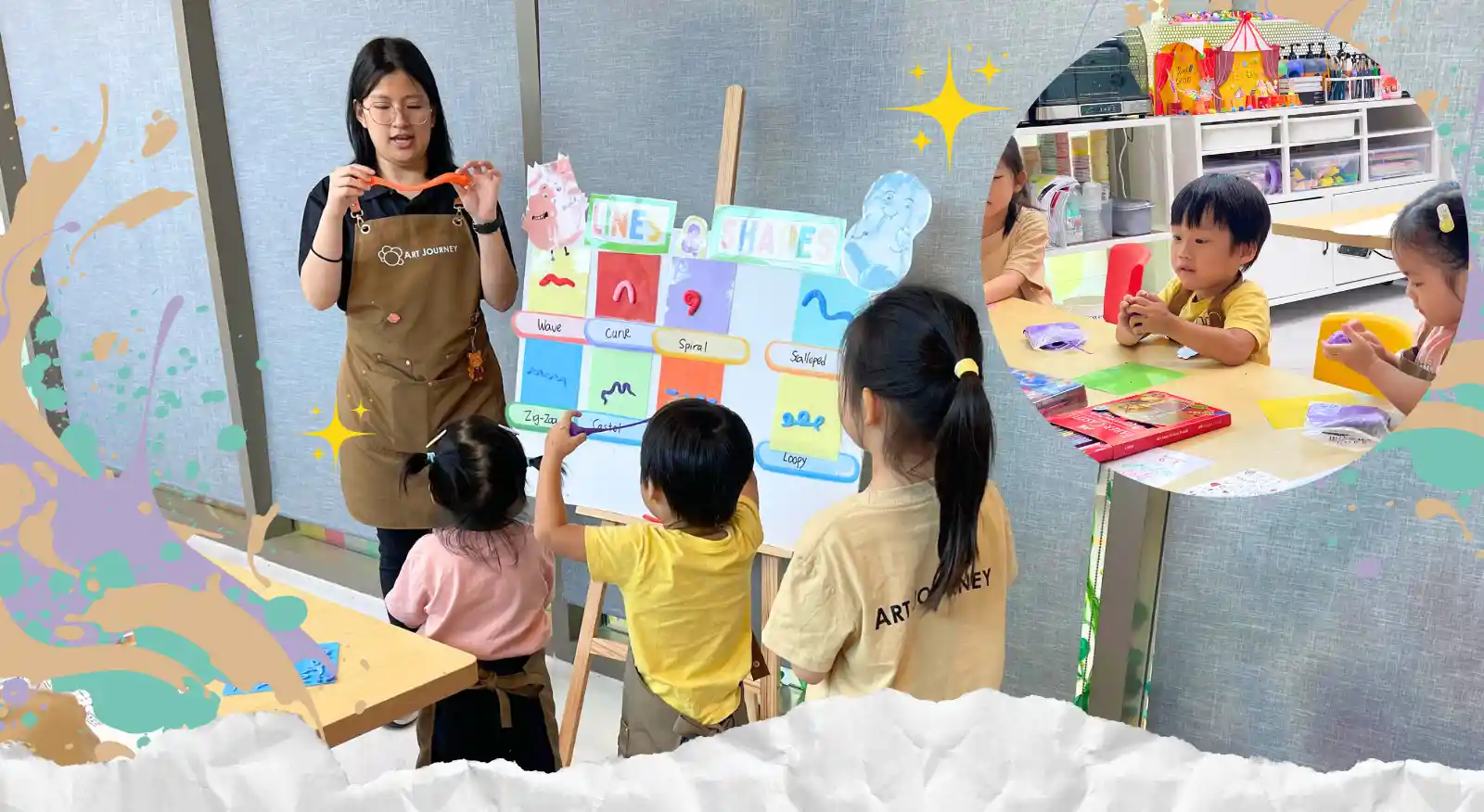
At Art Journey Singapore, we see how toddlers and young children thrive when given space to explore, create, and express themselves freely. Art workshops are more than “fun activities”—they are powerful tools that nurture important developmental milestones.
Here are six meaningful ways art workshops support early childhood development.
1. Art Enhances Fine Motor Skills
Young children rely heavily on fine motor skills for essential tasks such as writing, buttoning their clothes, opening lunch boxes, and using utensils. Art workshops strengthen these skills naturally through hands-on activities.
How art helps:
- Holding crayons, brushes, or markers
- Tearing or cutting paper
- Pinching and rolling clay
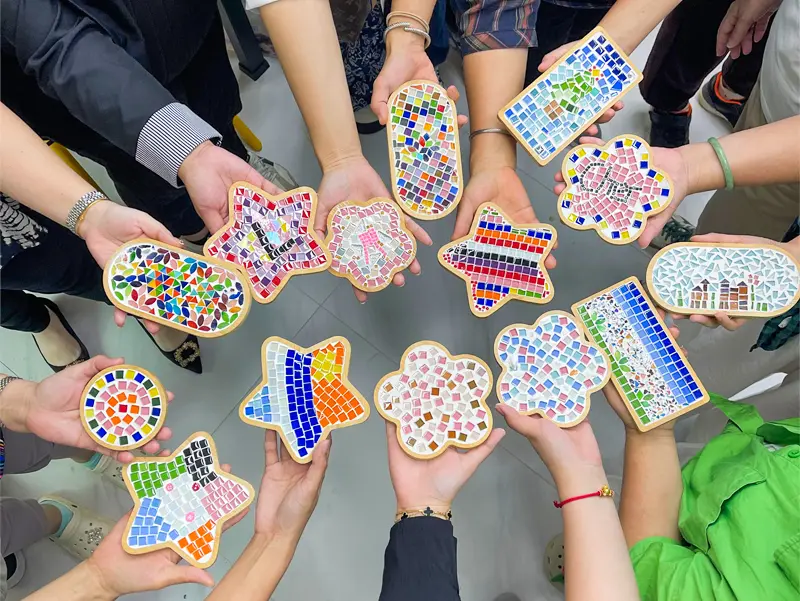
- Placing mosaic tiles or stickers
- Using glue applicators
Each of these builds hand strength, coordination, and control.
Children often don’t realise they’re “practicing” because it feels like play — making it one of the most effective ways to support early development.
2. Art Encourages Emotional Expression and Self-Awareness
Toddlers and preschoolers struggle to express their emotions verbally. Art gives them a safe outlet to communicate feelings through colour, texture, and movement.
In workshops, children are encouraged to express what they feel in the moment — whether through bold strokes, soft colours, or abstract doodles.
Benefits include:
- Recognising and processing emotions
- Reducing frustration or anxiety
- Building self-confidence
- Understanding their own preferences
Art helps children feel “heard,” even when they don’t have the words yet.
3. Art Builds Cognitive and Problem-Solving Skills
When young children create art, their brains are engaged in planning, thinking, and decision-making. Even simple activities like choosing colours or arranging items strengthen early cognitive functions.
Art encourages:
- Critical thinking
- Memory building
- Pattern recognition
- Spatial awareness
- Trial and error
- Logical reasoning
For example, when building a collage, a child thinks: Where should I place this? Does this color match? What happens if I layer these shapes?
These small decisions build strong mental foundations for academic learning later on.
4. Art Boosts Language Development and Communication
Art workshops provide multiple opportunities for toddlers to communicate — whether through describing their artwork, naming colours, or sharing ideas with instructors and peers.
Art supports language by:
- Introducing descriptive vocabulary
- Encouraging storytelling
- Strengthening listening skills
- Helping children express thoughts and feelings
Teachers at Art Journey often ask guiding questions like:
- “Tell me about your picture.”
- “Why did you choose this colour?”
- “What will you add next?”
These conversations support early language growth naturally and playfully.
5. Art Workshops Strengthen Social and Collaborative Skills
Many young children attend art workshops in groups, making it an ideal environment for practising early social skills.
Children learn how to:
- Share materials
- Wait patiently
- Take turns
- Observe and learn from others
- Celebrate peers’ creations
- Follow group instructions
Art removes performance pressure and encourages cooperative play. Even shy toddlers often open up when colours and crafts are involved, making social development more organic and less intimidating.
6. Art Develops Creativity and Imagination
Early childhood is the age of imagination — a time when kids turn toy blocks into rockets and scribbles into stories. Art workshops nurture this precious creativity, allowing children to explore freely without rules or judgement.
Creative benefits include:
- Strong imagination
- Original thinking
- Confidence in ideas
- Curiosity and exploration
- Flexible thinking
Creativity developed early becomes the foundation for problem-solving, innovation, and emotional balance throughout life.
Why Art Journey Singapore Is Ideal for Young Children
Art Journey designs workshops specifically for kids aged 4–12, including options perfect for younger children just beginning their creative journey. Sessions are guided, gentle, and developmentally appropriate.
Parents love Art Journey because:
- Workshops are hands-on and play-based
- Activities are safe and age-friendly
- Instructors are patient and experienced
- Children take home a finished art piece
- Sessions help improve confidence and focus
Whether it’s canvas painting, mosaic craft, clay play, or mixed media, children enjoy meaningful experiences that support holistic development.
FAQs: Art Workshops and Early Childhood Development
1. What age is ideal to start art workshops?
Children can begin as early as 18 months to 3 years for toddler-friendly sessions, and from 4 years old for more structured workshops.
2. What if my child cannot sit still?
That’s completely normal. Workshops are designed for movement, exploration, and short attention spans.
3. Does my child need to be “good at art”?
Not at all. Art workshops focus on exploration, not perfection. Every child can participate successfully.
4. How long are workshops for young children?
Typically 30–60 minutes, depending on age and activity type.
5. Are the materials safe for toddlers and preschoolers?
Yes. Art Journey uses non-toxic, child-safe materials suitable for early childhood.
6. How does art help with school readiness?
Art strengthens fine motor skills, focus, cognitive abilities, and emotional regulation — all essential for early learning success.