









7 Art-Based Learning Approaches Teachers Will Be Using in 2026
Education in 2026 is moving beyond worksheets and rote memorisation. Teachers are increasingly turning to art-based learning to help students understand concepts deeply, express ideas confidently, and stay engaged in the classroom.
Art is no longer treated as a separate subject—it is becoming a powerful teaching tool across literacy, maths, science, and social development. Here are seven art-based learning approaches that teachers will widely use in 2026.
1. Process-Based Art Learning
In 2026, teachers focus less on perfect outcomes and more on the creative process. This approach encourages students to:
- Explore ideas freely
- Experiment without fear of mistakes
- Reflect on how they created their work
The emphasis is on thinking, decision-making, and self-expression rather than producing identical results.
2. Visual Thinking Strategies (VTS)
Visual Thinking Strategies use artwork to develop:
- Observation skills
- Critical thinking
- Communication and discussion
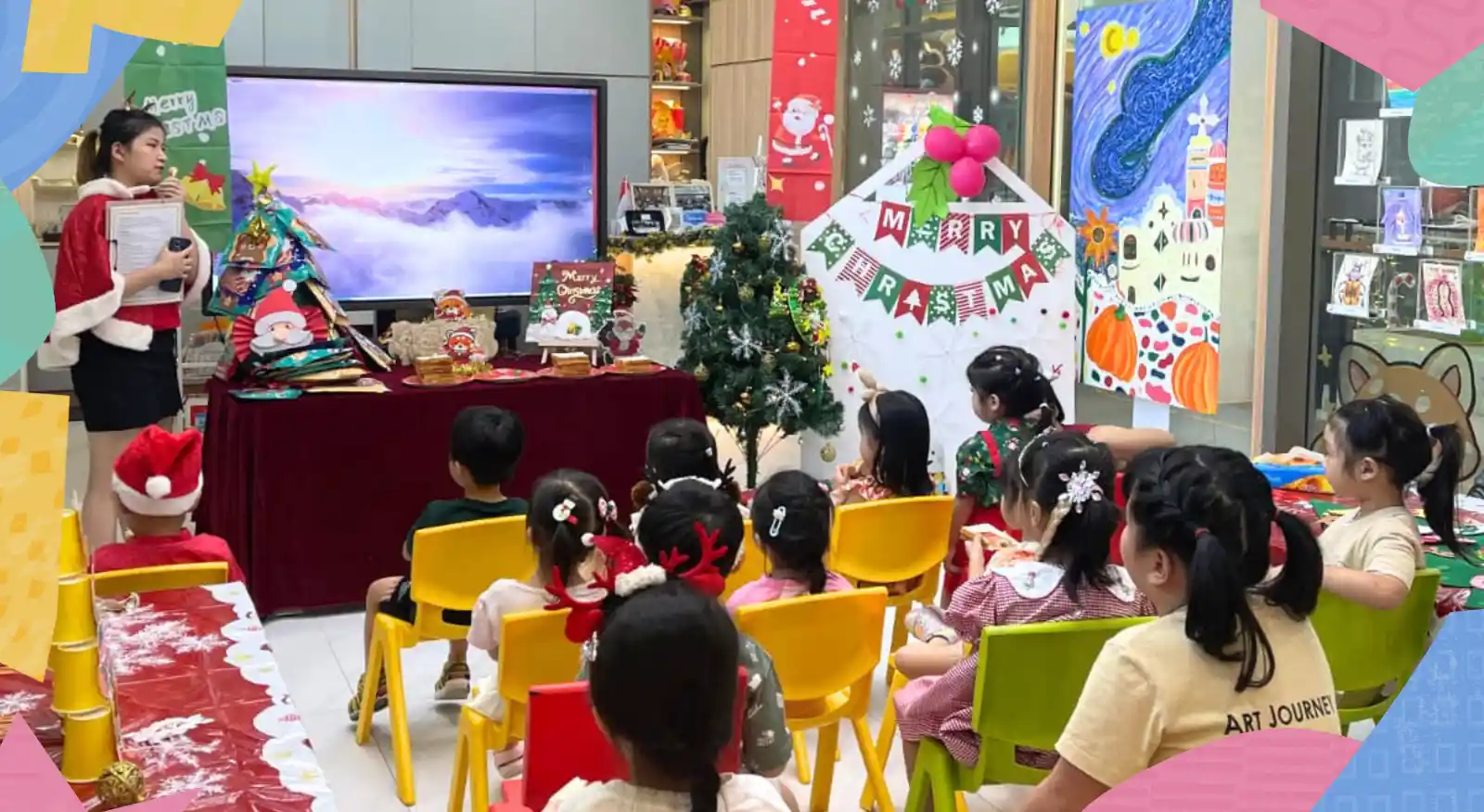
Teachers present images or artworks and guide students through open-ended questions like “What do you see?” or “What makes you say that?” This method builds reasoning and language skills across all age groups.
3. Cross-Curricular Art Integration
Art in 2026 is deeply integrated across subjects. Teachers use art to:
- Visualise maths concepts
- Illustrate science processes
- Explore history through creative storytelling
This approach helps students connect abstract ideas to visual and hands-on experiences, making learning more meaningful.
4. Sensory-Based Art Learning
Especially for younger learners, sensory art plays a major role. Teachers use:
- Texture, colour, and movement
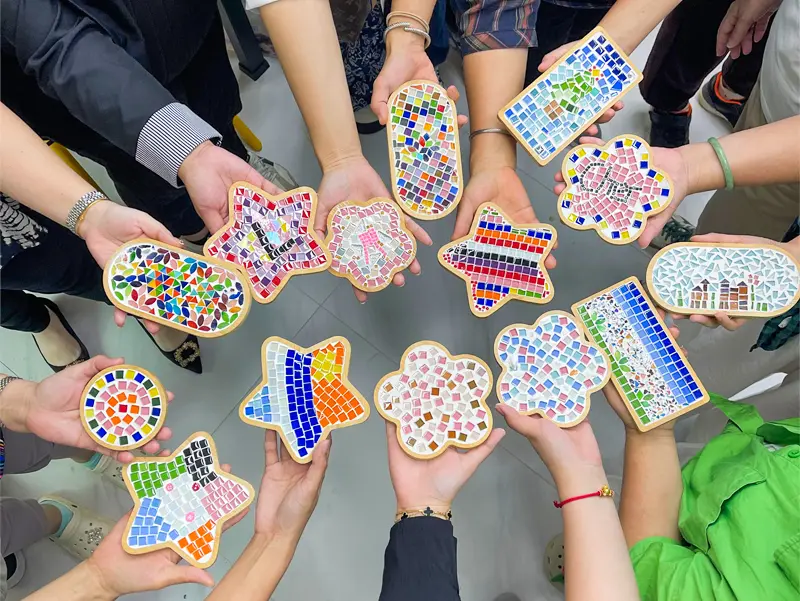
- Hands-on materials like clay, paint, and collage
- Multi-sensory experiences to support learning
Sensory art strengthens fine motor skills, focus, and emotional regulation—key priorities in early education in 2026.
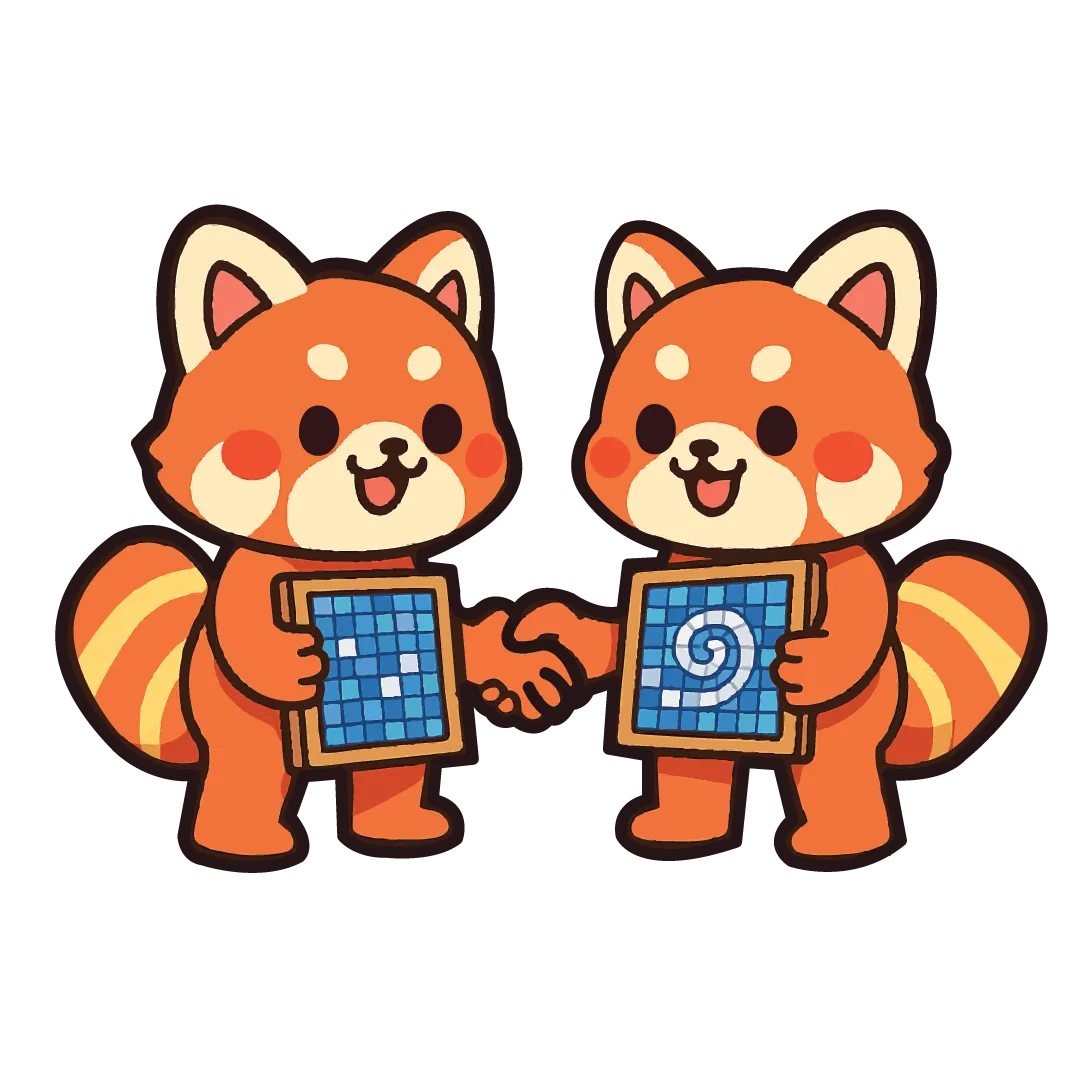
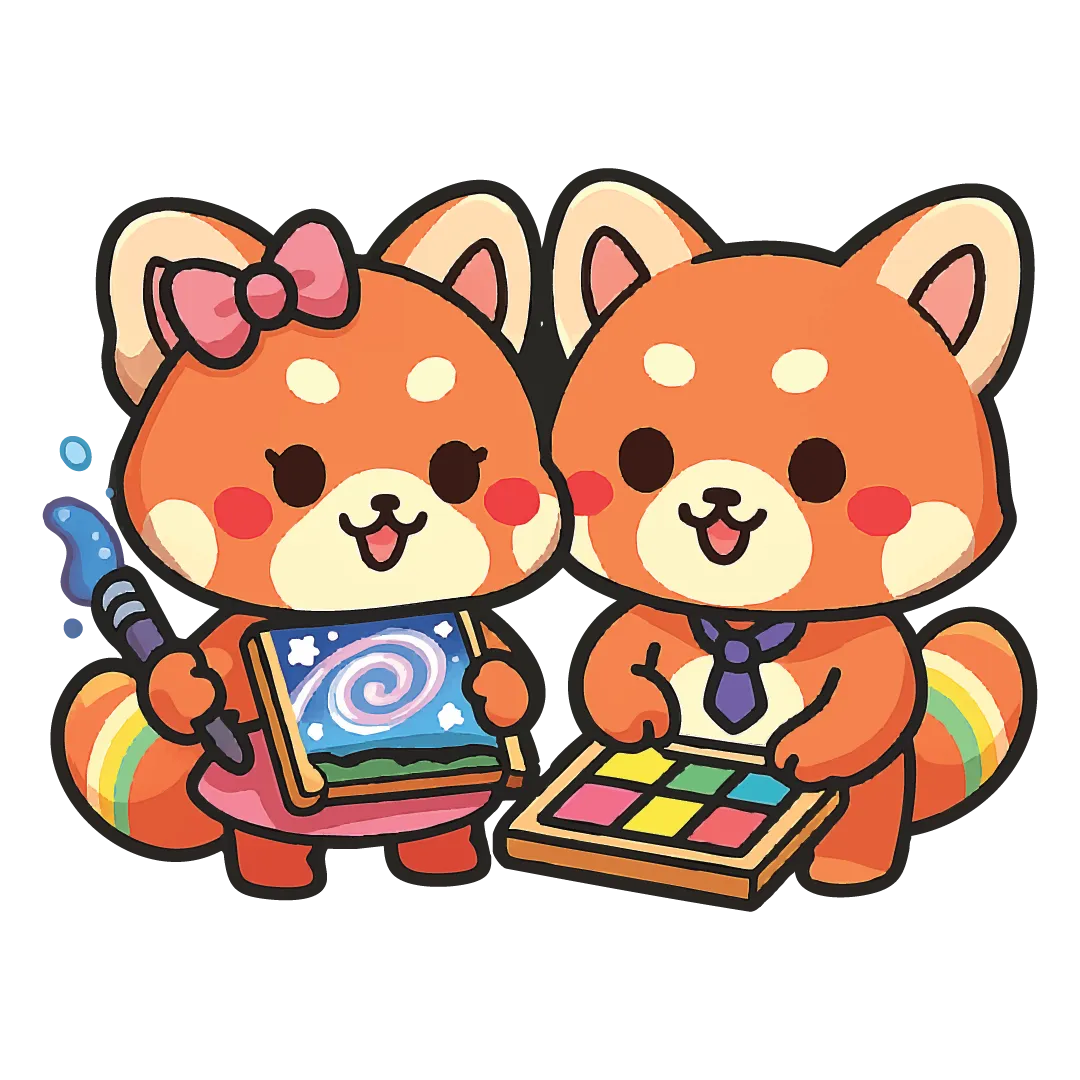
5. Collaborative Art Projects
Group art projects encourage:
- Teamwork and communication
- Shared problem-solving
- Respect for different perspectives
Teachers use collaborative art to help students learn how to work together, negotiate ideas, and build social-emotional skills naturally.
6. Reflective Art Practices
In 2026, reflection is a core part of learning. Teachers encourage students to:
- Talk about their artwork
- Explain choices they made
- Share feelings or ideas behind their creations
This builds self-awareness, confidence, and language skills, especially for children who struggle with traditional verbal expression.
7. Open-Ended Creative Exploration
Teachers increasingly avoid step-by-step art instructions. Instead, they design open-ended prompts that allow students to:
- Interpret tasks in their own way
- Explore personal interests
- Develop independent thinking
This approach nurtures creativity, adaptability, and problem-solving—skills essential for future learning.
Why Art-Based Learning Is Growing in 2026
Several factors drive this shift:
- Increased focus on creativity and emotional intelligence
- Recognition that children learn differently
- Demand for engaging, student-centred classrooms
Art-based learning supports both academic understanding and personal growth, making it a natural fit for modern education.
How Art-Based Learning Benefits Students
Students exposed to art-based approaches often show:
- Higher engagement and motivation
- Stronger communication skills
- Improved confidence and emotional expression
- Better retention of concepts
These benefits extend beyond the classroom into everyday learning and life skills.
Frequently Asked Questions (FAQ)
Is art-based learning only suitable for young children?
No. Art-based learning is effective for all ages, including upper primary and secondary students.
Does art-based learning replace traditional academics?
No. It enhances traditional subjects by making learning more engaging and meaningful.
What subjects can use art-based approaches?
Art-based learning can be applied to language, maths, science, social studies, and emotional learning.
Do teachers need special training to use art-based learning?
Basic understanding and thoughtful lesson design are enough to start. Many strategies are simple and flexible.
Is assessment still possible with art-based learning?
Yes. Teachers assess understanding through discussion, reflection, and how students apply concepts creatively.