








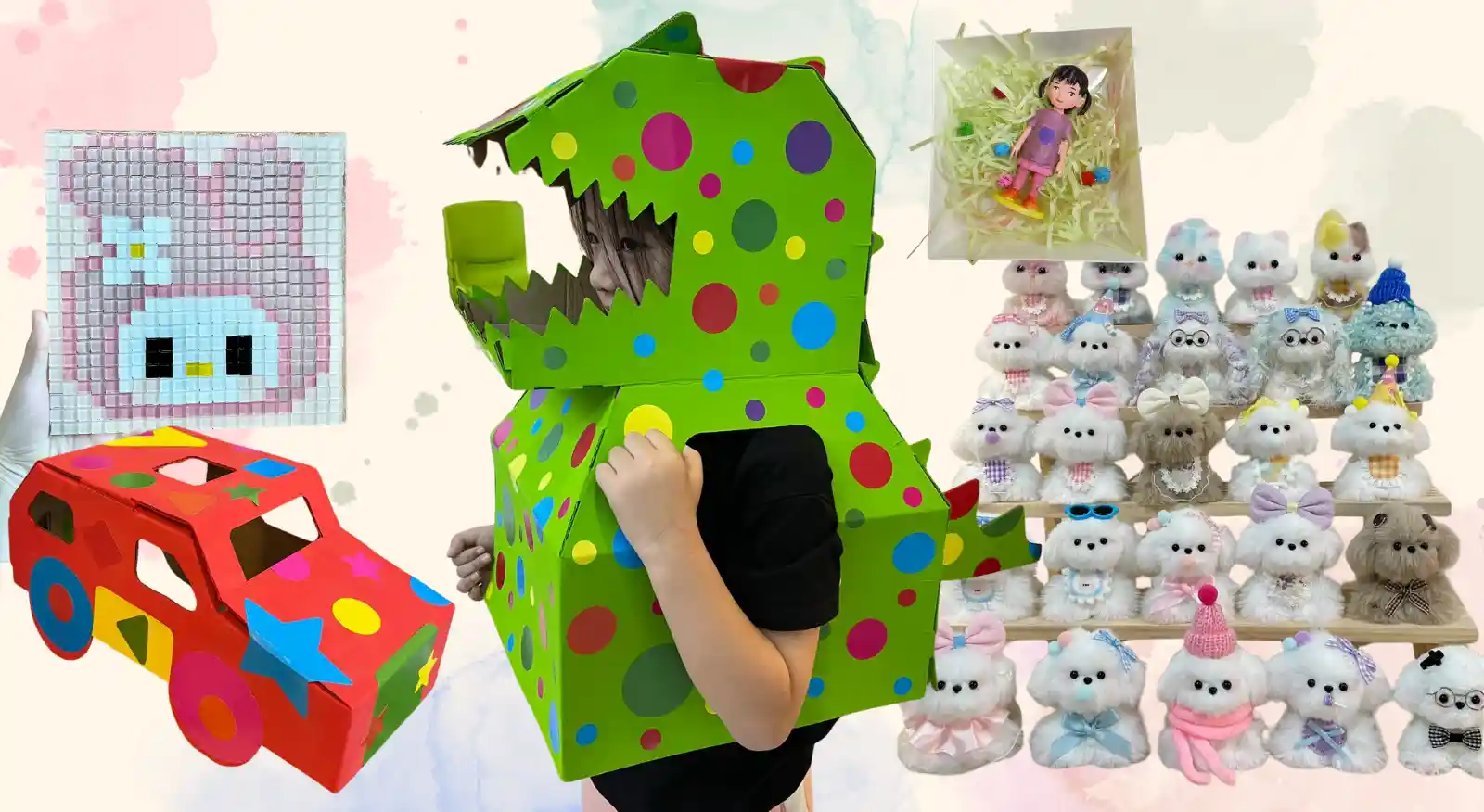
7 Reasons Creative Play Will Be Crucial for Kids in 2026
Art Journey reflects a growing movement among educators and parents who see creative play not as optional fun, but as an essential part of childhood development. In 2026, creative play is increasingly recognised as a foundation for learning, emotional health, and adaptability — especially as children grow up in fast-changing, screen-heavy environments.
Creative play refers to open-ended activities where children imagine, explore, and create without fixed outcomes. This includes art-making, building, role-play, and hands-on experimentation. In today’s context, creative play is no longer a luxury; it is a developmental necessity.
This article outlines seven key reasons creative play will be crucial for kids in 2026, supported by widely accepted child development principles and current educational practices.
Overview
Creative play allows children to engage their imagination, emotions, and problem-solving abilities simultaneously. Unlike structured academic tasks, creative play has no single “correct” result. Instead, it values exploration, expression, and personal meaning.
In 2026, children face:
- Increased exposure to screens
- More structured schedules
- Earlier academic expectations
- Reduced unstructured free time
As a result, creative play plays a critical balancing role in healthy development.
1. Creative Play Supports Emotional Expression
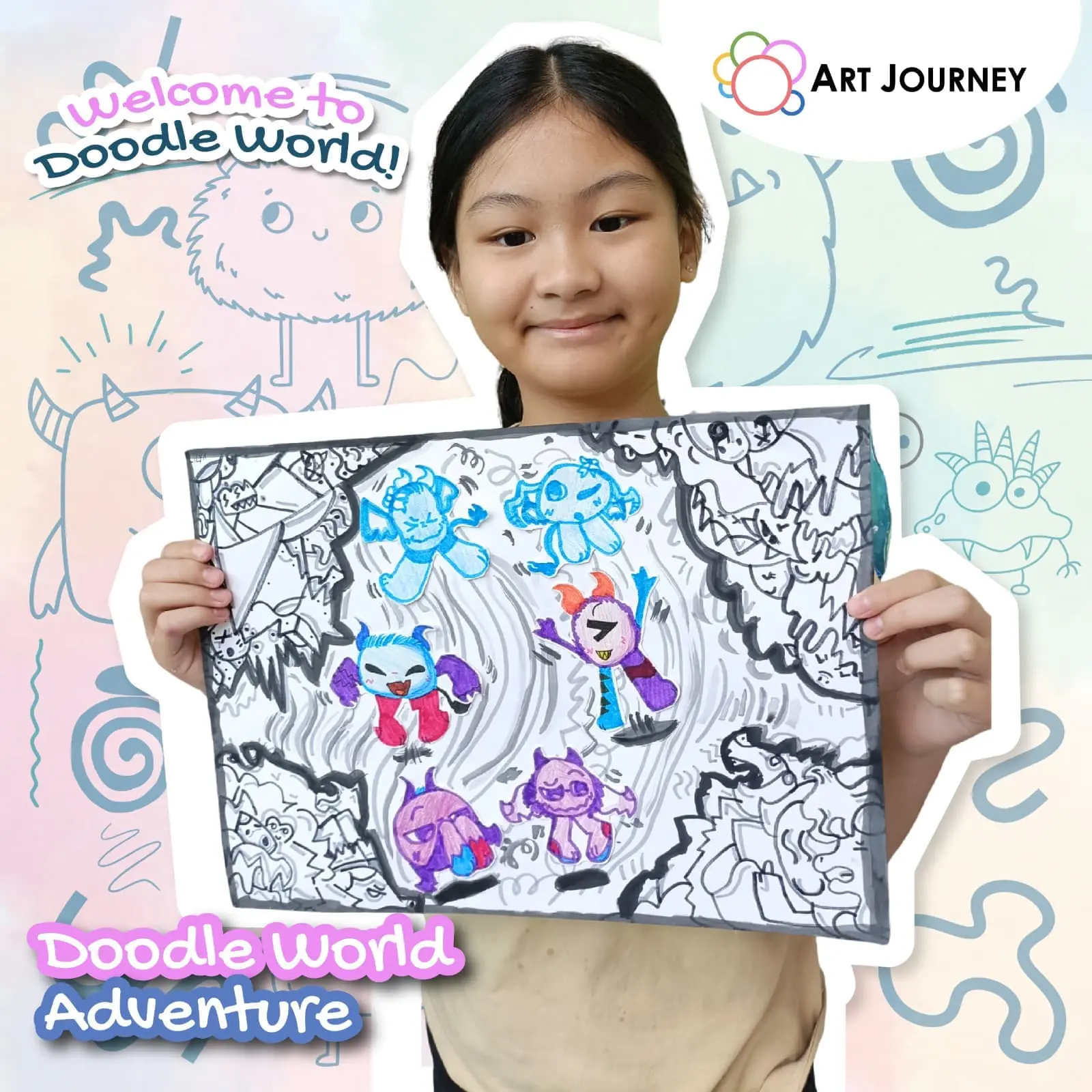
Children often lack the language to fully explain their emotions. Creative play gives them alternative ways to express feelings through colours, shapes, movement, and stories.
Art-making, pretend play, and free construction allow children to:
- Process emotions safely
- Release stress and frustration
- Build emotional awareness
In 2026, emotional regulation is widely recognised as a key life skill, and creative play helps nurture it naturally.
2. It Develops Problem-Solving Skills Early
Creative play involves constant decision-making. Children choose materials, adapt ideas, and respond to unexpected outcomes.
Through creative play, children practice:
- Trial and error
- Flexible thinking
- Cause-and-effect understanding
These skills are transferable to academic learning and real-life situations. In modern education, problem-solving is valued as much as factual knowledge.
3. Creative Play Encourages Independent Thinking
Unlike instruction-based tasks, creative play allows children to make choices independently.
This autonomy helps children:
- Build confidence in their ideas
- Develop a sense of ownership
- Learn that there are multiple ways to approach a task
In 2026, independence and adaptability are essential skills as children grow up in an unpredictable world.
4. It Strengthens Focus and Attention Naturally
Creative play often leads to deep concentration. When children are absorbed in creating, they naturally practise sustained attention.
This type of focus differs from screen-based engagement because it:
- Is self-directed
- Involves physical interaction
- Requires active participation
Parents and educators increasingly recognise that creative play supports healthy attention development without overstimulation.
5. Creative Play Builds Social and Communication Skills
When children engage in creative play together, they learn to share ideas, negotiate roles, and respect different perspectives.
Group creative activities help children:
- Communicate thoughts clearly
- Practice cooperation
- Develop empathy
In 2026, social skills are considered just as important as academic achievement, particularly in collaborative learning environments.
6. It Supports Fine and Gross Motor Development
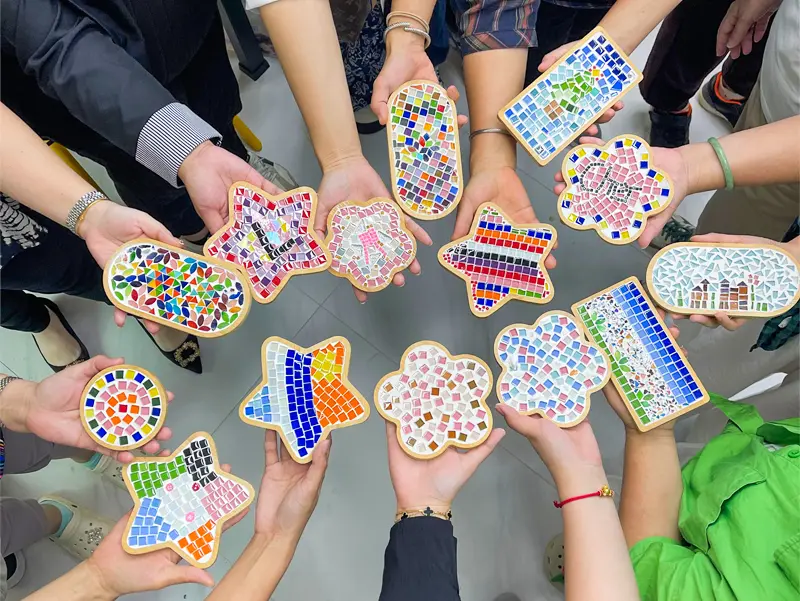
Many creative play activities involve hands-on manipulation, such as painting, cutting, building, or moulding materials.
These actions support:
- Fine motor control
- Hand-eye coordination
- Body awareness
Creative play often combines movement with thinking, supporting holistic physical development.
7. Creative Play Balances Screen Exposure
Digital tools are part of modern childhood, but excessive screen time remains a concern for many families in 2026.
Creative play offers a healthy alternative by:
- Encouraging tactile experiences
- Engaging multiple senses
- Promoting real-world interaction
Studios like Art Journey provide screen-free creative environments where children can engage fully with materials and people around them.
The Role of Creative Spaces and Workshops
Creative play thrives in environments that feel safe, supportive, and pressure-free. Structured creative workshops, when designed thoughtfully, can support this by offering:
- Open-ended activities
- Patient facilitation
- Age-appropriate materials
- Calm, encouraging environments
In 2026, parents increasingly seek spaces that prioritise process over performance.
Notes and Practical Guide for Parents
Note:
Creative play does not need to look organised or neat to be meaningful.
Guide:
Allow children to explore without correcting or directing outcomes.
Tip:
Regular short sessions of creative play are often more effective than occasional long ones.
Frequently Asked Questions (FAQ)
At what age should creative play start?
Creative play begins in early toddlerhood and evolves as children grow. There is no minimum age.
Does creative play replace academic learning?
No. Creative play complements academic learning by supporting skills that academics alone cannot develop.
Is creative play only about art?
No. Creative play includes building, pretend play, storytelling, and exploration.
How much creative play do kids need?
There is no fixed rule, but consistent exposure — even a few times a week — is beneficial.
Can structured workshops still support creative play?
Yes, when workshops allow freedom of expression and avoid rigid outcomes.