





8 Art Techniques Kids Will Be Learning Everywhere in 2026
As education continues to evolve in 2026, art is no longer treated as a side activity—it’s becoming a core part of how children learn, express themselves, and build essential life skills. Across schools, enrichment programs, and homes, kids are being introduced to art techniques that go far beyond basic drawing and colouring.
These techniques are chosen not just for creativity, but for how they support problem-solving, emotional development, focus, and confidence. Here are eight art techniques kids will be learning everywhere in 2026, and why they matter more than ever.
1. Mixed Media Art
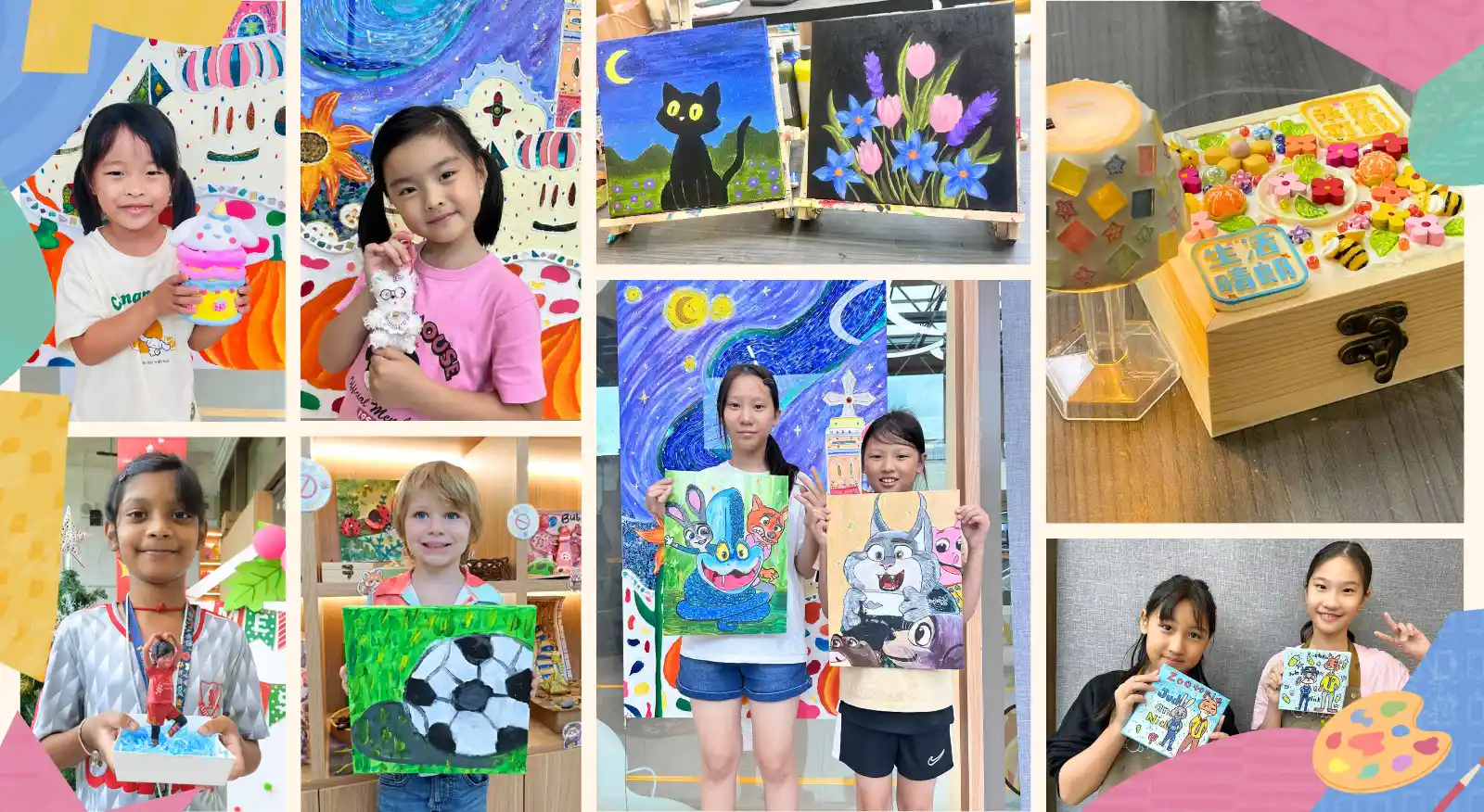
Mixed media art encourages children to combine different materials such as paper, paint, fabric, cardboard, foil, and recycled objects into one artwork.
Why it’s trending in 2026:
- Encourages experimentation and imagination
- Teaches children that there’s no single “right way” to create
- Builds problem-solving and planning skills
Kids learn to think flexibly while exploring textures, colours, and materials.
2. Process Art
Process art focuses on the experience of creating, not the final result. There are no templates or expected outcomes.
Why it’s important:
- Reduces performance pressure
- Builds confidence and independence
- Encourages emotional expression
In 2026, educators prefer process art because it supports mental well-being while nurturing creativity.
3. Clay and 3D Art Techniques
Working with clay, dough, and sculpting materials helps children understand form, structure, and space.
Key benefits:
- Strengthens fine motor skills
- Improves hand-eye coordination
- Supports sensory development
3D art is becoming increasingly popular because it engages both the mind and body.
4. Abstract Painting
Abstract art allows children to express feelings, ideas, and moods without focusing on realism.
Why kids love it:
- No rules or expectations
- Encourages emotional exploration
- Builds confidence in self-expression
In 2026, abstract art is widely used to help kids communicate emotions they may not yet have words for.
5. Nature-Inspired Art
Nature-based art uses leaves, stones, flowers, sand, and natural textures as inspiration or materials.
Why it’s growing:
- Encourages environmental awareness
- Develops observation skills
- Connects creativity with the natural world
This technique is especially popular in early childhood programs focused on holistic development.
6. Collaborative Art Projects
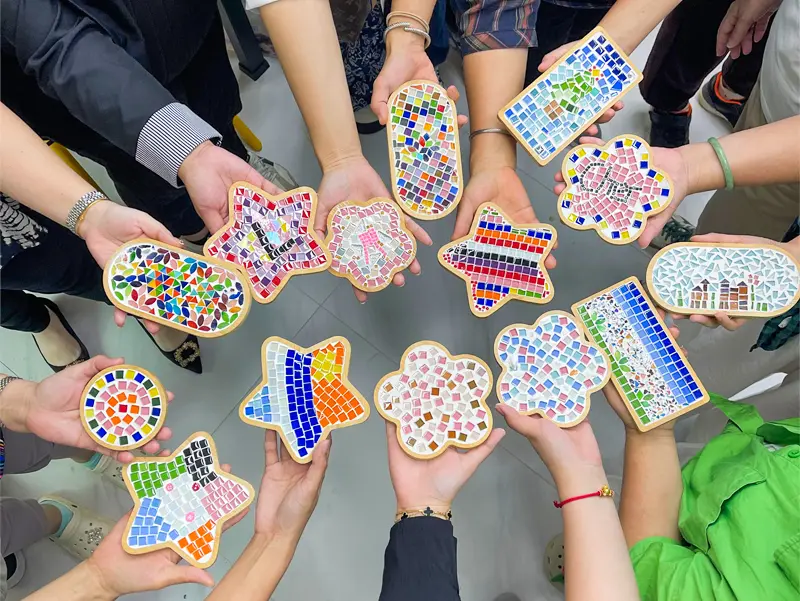
Group murals, shared sculptures, and team-based art activities teach kids to create together.
Skills developed:
- Communication and teamwork
- Patience and empathy
- Social confidence
In 2026, collaborative art is widely used to strengthen social skills and emotional intelligence.
7. Sensory Art Techniques
Sensory art involves texture, movement, sound, and sometimes scent—using materials like foam, water, sand, and textured paint.
Why it matters:
- Supports brain development
- Helps regulate emotions
- Improves focus and body awareness
Sensory art is especially important for toddlers and young children, but remains valuable through early primary years.
8. Story-Based Art Creation
In story-based art, children create artwork inspired by stories they hear, read, or invent themselves.
Benefits include:
- Strengthening language skills
- Enhancing imagination and memory
- Encouraging deeper engagement
This technique bridges literacy and creativity, making it highly valued in 2026 learning environments.
Why These Art Techniques Matter in 2026
Modern education places strong emphasis on:
- Creativity over memorisation
- Emotional intelligence alongside academics
- Learning through experience
These art techniques help children:
- Think independently
- Express emotions safely
- Build confidence and resilience
- Develop skills needed for future learning
Art in 2026 is not about producing perfect artwork—it’s about nurturing capable, curious, and confident children.
How Parents Can Support These Techniques at Home
You don’t need to recreate a classroom or studio environment.
Simple ways to support:
- Provide open-ended materials
- Allow freedom without correction
- Ask children to explain their work
- Display artwork to build confidence
Consistency matters more than complexity.
Frequently Asked Questions (FAQ)
At what age can kids start learning these art techniques?
Many of these techniques can be introduced as early as age 2–3, with complexity increasing as children grow.
Do these art techniques replace traditional drawing and colouring?
No. They expand on traditional techniques, offering children more ways to express themselves.
How often should children engage in art activities?
Ideally, children should engage in creative art activities several times a week, even for short periods.
Are messy art techniques necessary for learning?
Yes. Messy play supports sensory development, creativity, and confidence.
Can these techniques help children who struggle academically?
Absolutely. Art supports focus, confidence, and problem-solving, which positively impacts academic learning.