








Art Class vs Art Workshop: Which Is Better for Your Child in Singapore?
If you've ever searched for art enrichment options for your child in Singapore, you've probably noticed two terms that keep coming up: "art class" and "art workshop." They sound similar, and a lot of parents assume they mean the same thing. But they don't — and the difference matters more than you might think.
Choosing the right creative environment for your child can shape how they feel about art for years to come. Pick the wrong one, and they might associate making art with pressure and boredom. Pick the right one, and you'll see them light up every time it's time to create.
So what actually separates an art class from an art workshop? And which one makes more sense for your child? Let's break it down — honestly, without the jargon, and with Singapore families in mind.
What Exactly Is an Art Class?
When most people hear "art class," they picture something close to a school subject. And that's not far off. Traditional art classes in Singapore tend to follow a set curriculum. Your child attends on a fixed schedule — say, every Saturday morning — and progresses through a structured syllabus over weeks or months.
Typically, art classes focus on building specific technical skills. Think drawing techniques, colour theory, perspective, shading, and eventually working toward a portfolio or certification. There's usually a teacher-led approach where the instructor demonstrates a technique and students follow along or practise it.
Some art classes even include assessments or grading, especially those designed to prepare students for PSLE art components or DSA (Direct School Admission) portfolios.
Art classes tend to work best for children who:
Are older (typically 8 and above) and ready for structured learning. Have a clear interest in developing technical drawing or painting skills. Are working toward a specific goal like a portfolio or competition. Enjoy following instructions step-by-step and don't mind repetition.
What Exactly Is an Art Workshop?
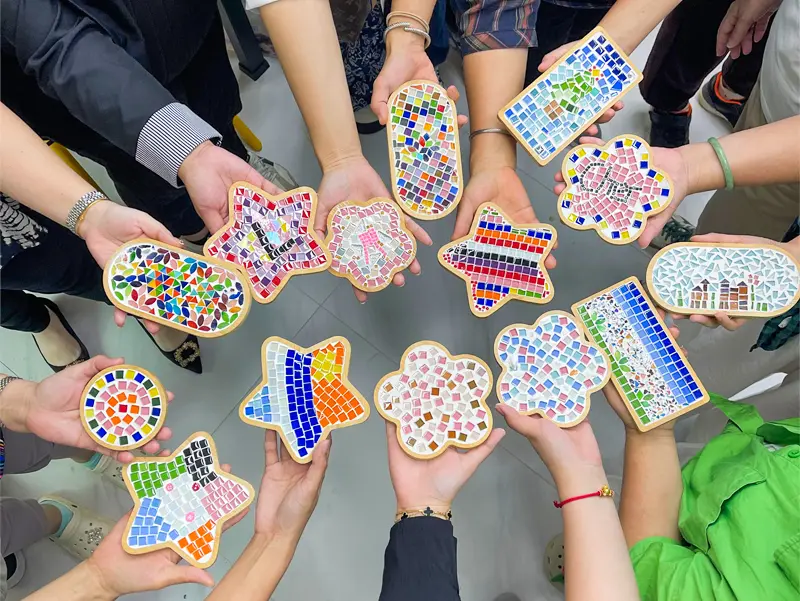
An art workshop is a different experience altogether. Instead of following a rigid syllabus, workshops are project-based and hands-on. Each session typically revolves around a specific activity or theme — mosaics one week, canvas painting the next, clay sculpting after that.
The emphasis is less on technical perfection and more on exploration, experimentation, and self-expression. Children get to work with different materials, try new mediums, and most importantly, take home a completed piece they're proud of.
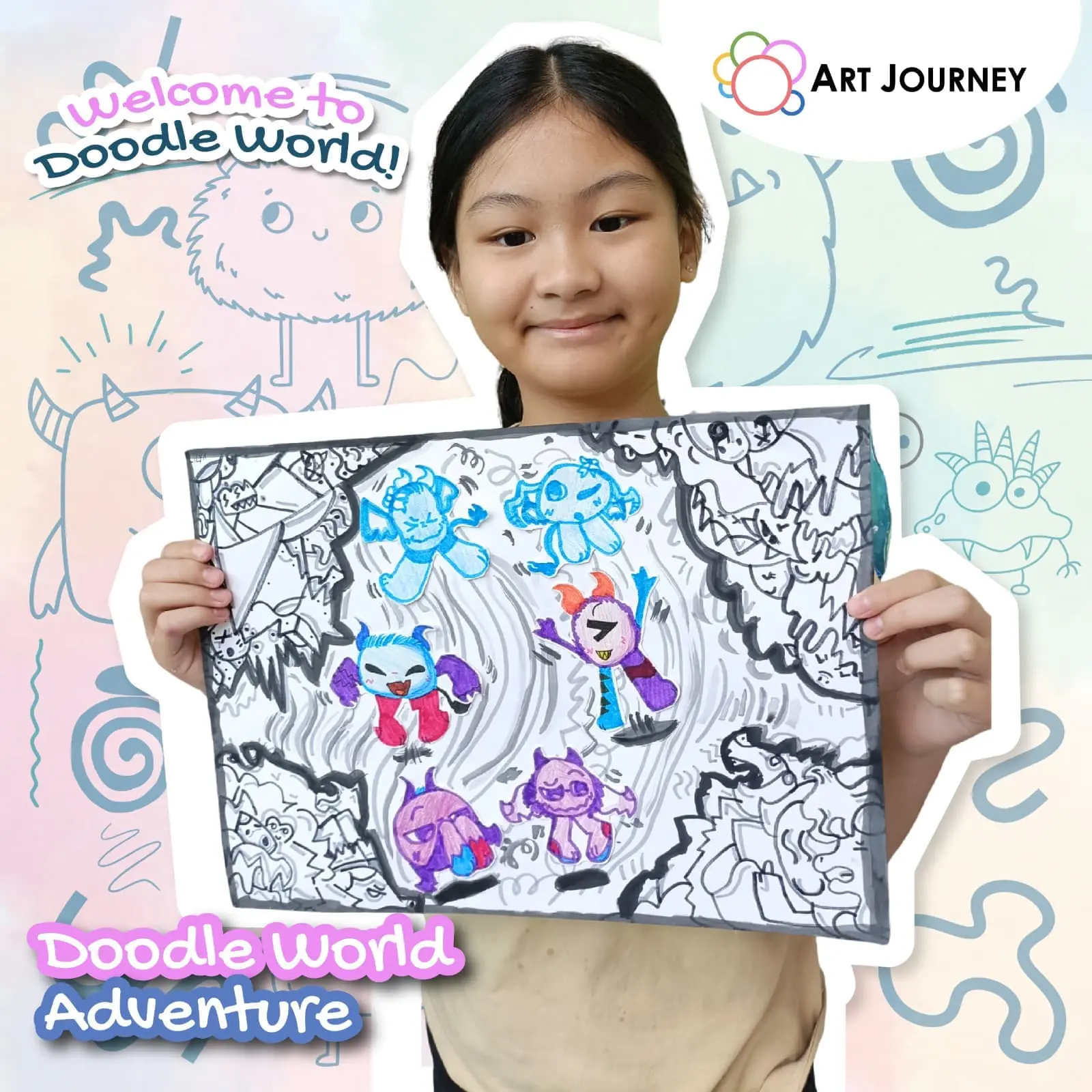
Workshops can be standalone (like a holiday session) or part of a longer-term programme with rotating themes. Studios like Art Journey in Singapore run structured monthly art workshops where children attend regular sessions built around seasonal themes — but with the flexibility and creative freedom that makes each visit feel fresh.
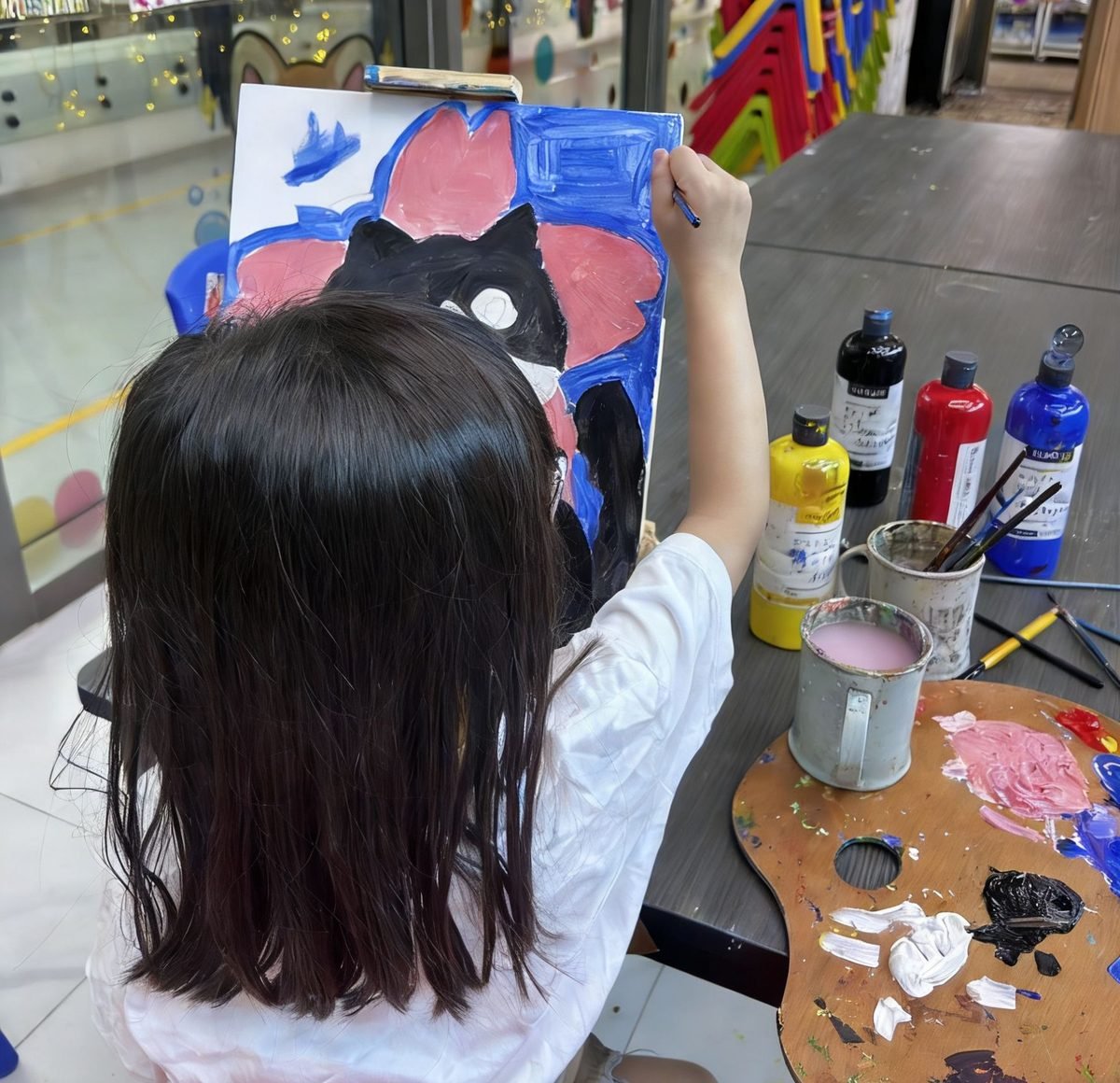
Art workshops tend to work best for children who:
Are younger (from around age 3 onwards) and learn best through play. Enjoy trying different types of art rather than specialising in one. Get bored easily with repetitive drills and prefer variety. Thrive in relaxed, low-pressure environments where there's no "right answer."
Side-by-Side: Art Class vs Art Workshop
Here's a quick comparison to help you see the differences at a glance:
| Factor | Art Class | Art Workshop |
|---|---|---|
| Structure | Fixed curriculum, progressive syllabus | Project-based, rotating themes |
| Approach | Teacher-led, technique-focused | Hands-on, exploration-focused |
| Assessment | Often graded or portfolio-tracked | No grading, emphasis on enjoyment |
| Materials | Usually limited to drawing/painting | Wide variety (clay, mosaic, mixed media) |
| Flexibility | Fixed schedule, sequential lessons | More flexible, standalone sessions possible |
| Outcome | Gradual skill development over time | Completed project every session |
| Ideal Age | 8 years and above | 3 years and above |
| Atmosphere | Classroom-like, disciplined | Relaxed, playful, creative |
Art Class
- Follow the syllabus
- Learn one technique at a time
- Graded assessments
- Portfolio-focused
- Same medium each week
Art Workshop
- Explore different themes
- Try new mediums every session
- No grades or pressure
- Take home a finished piece
- Creativity over perfection
Neither is objectively "better" — they just serve different purposes. The right choice depends entirely on your child's age, personality, and what you're hoping they'll get out of the experience.
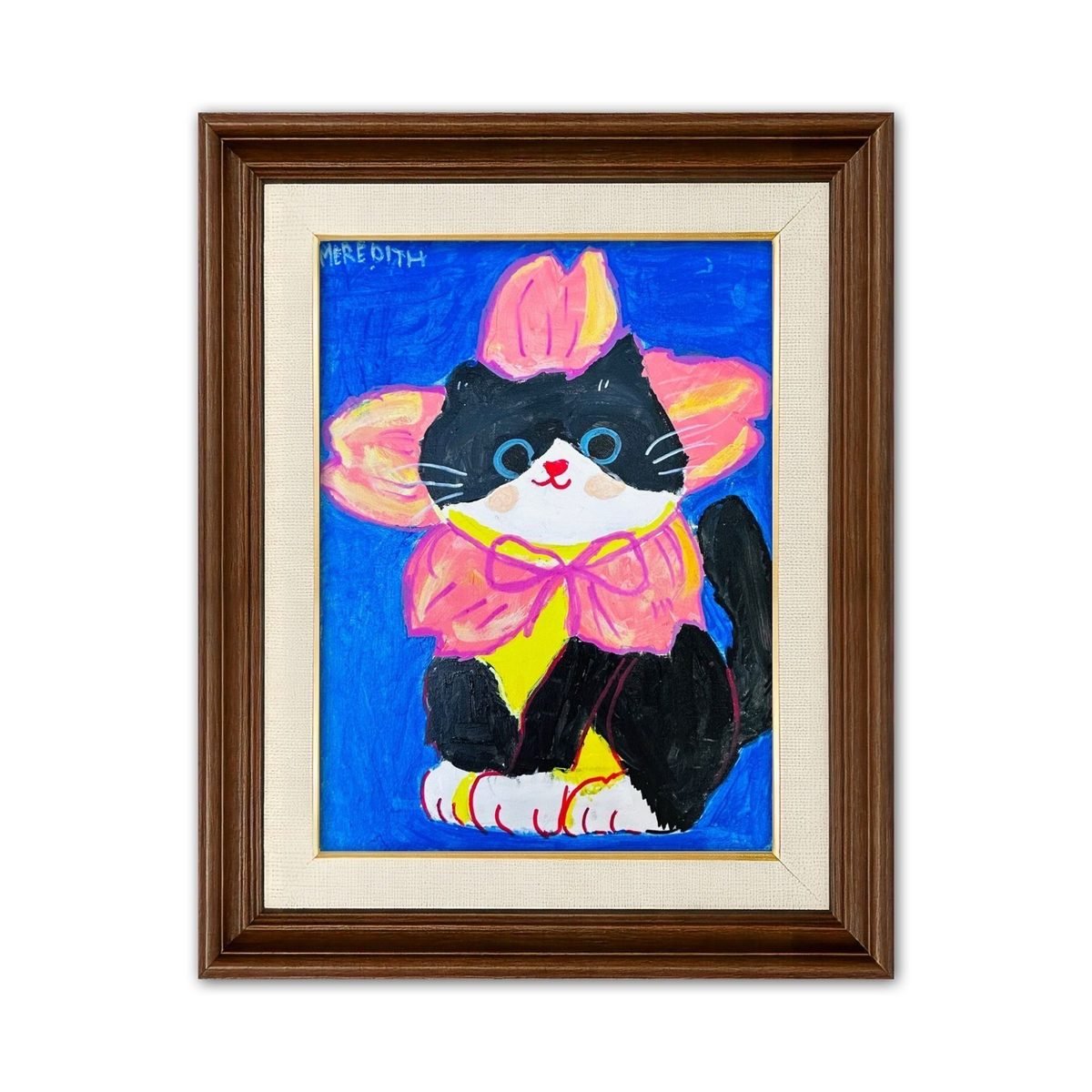
Why More Singapore Parents Are Choosing Art Workshops
Over the past few years, there's been a noticeable shift. More parents in Singapore — particularly those with children under 10 — are gravitating toward art workshops rather than traditional art classes. And there are a few good reasons for this.
Children learn differently at different ages
Young children (roughly 3 to 8 years old) aren't wired for structured, technique-heavy instruction. Their brains are still in a phase where they learn best through sensory exploration, imaginative play, and hands-on doing. Sitting still for an hour while practising shading techniques? That's a tough ask for a five-year-old.
Workshops respect where your child is developmentally. They let kids touch, mould, paint, stick, and build — which is exactly how young minds absorb information and develop fine motor skills.
Singapore's National Arts Council (NAC) has long advocated for early arts exposure, recognising that it supports children's overall development — especially in communication, creativity, and social-emotional learning. Their approach aligns much more closely with the workshop model than the traditional classroom format.
Variety keeps kids engaged
One of the biggest complaints parents have about traditional art classes is that their child "got bored after a few months." That's not the child's fault — it's the format. When every session follows the same structure (demonstrate, copy, refine), even the most artistically inclined kid can lose interest.
Workshops solve this by design. When your child is making a mosaic coaster one week, painting a 3D figurine the next, and sculpting with clay the week after, there's always something new to look forward to. That built-in variety is what keeps kids excited about coming back.
No pressure means more creativity
Here's something that doesn't get talked about enough: grading and assessment in art can actually stifle creativity. When a child knows their work will be evaluated, they start playing it safe. They copy rather than create. They aim for "correct" rather than expressive.
In a workshop setting, there's no right or wrong. A blue tree? Sure. A three-headed dog? Why not. That freedom to experiment without fear of judgment is where real creative confidence gets built.
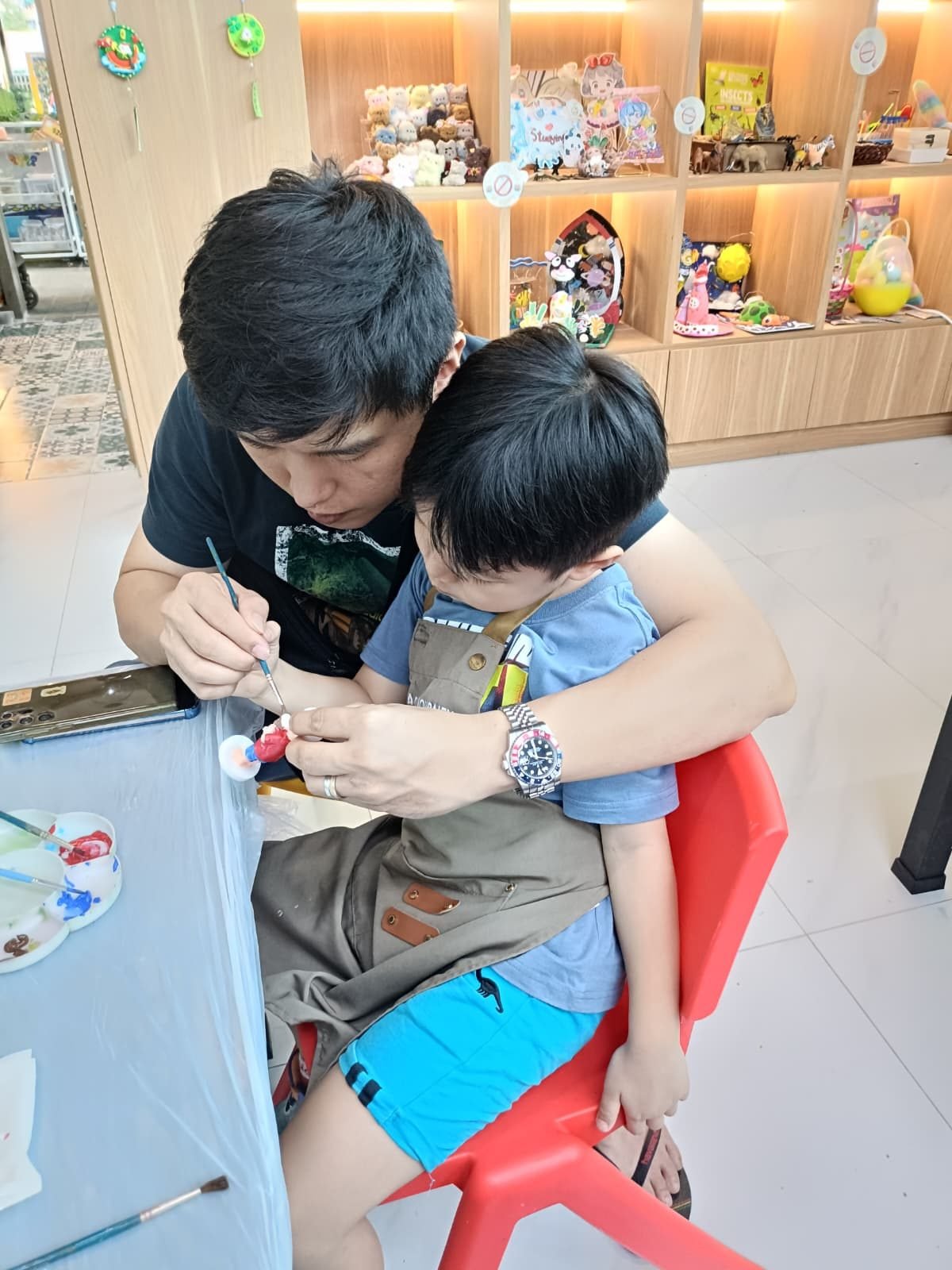
What to Look for When Choosing an Art Workshop in Singapore
Not all workshops are created equal. If you've decided that the workshop format is the better fit for your child, here are some things worth checking before you sign up:
Range of activities
A good workshop programme exposes your child to a wide range of art forms — not just painting. Look for studios that offer mosaics, clay work, mixed-media projects, hand-painting, cardboard crafts, and more. This variety is what makes the experience rich and keeps your child discovering new interests.
Instructor approach
The best workshop instructors guide rather than dictate. They give kids enough structure to feel supported, but enough freedom to make creative choices on their own. Ask about the instructor-to-child ratio too — smaller groups mean more personalised attention.
Take-home outcomes
Children thrive on tangible results. Studios where kids bring home a finished piece after every session give them that sense of accomplishment that builds confidence over time. This is one of the strongest advantages workshops have over traditional art enrichment.
Flexibility
Life in Singapore is busy. Look for studios that offer flexible scheduling — whether that's drop-in sessions, monthly packages, or seasonal programmes. Being able to start with a single visit and scale up if your child enjoys it takes the pressure off the decision.
Environment
Visit the studio if you can. Is it bright, welcoming, and set up for creativity? Are the materials well-organised and age-appropriate? Does it feel like a place your child would want to spend time? The physical environment matters more than people realise.
Studios like Art Journey, for example, are designed specifically with families in mind — from their creative workshop sessions to the in-house Art Cafe where parents can relax while their kids create. It's the kind of setup that turns art time into something the whole family looks forward to. You can read more about how their creative art workshops are designed to build confidence in children.
Can Your Child Do Both?
Absolutely — and some families do exactly that. A child might attend weekly art workshops for creative exploration and fun, while also taking occasional structured enrichment sessions to develop specific skills like drawing or watercolour technique.
The important thing is balance. If your child is spending all their art time in a structured, assessment-driven environment, they might start to see art as just another subject to "pass." On the other hand, if they only do free-form activities, they might miss out on foundational skills that help them express their ideas more effectively as they grow.
For most children under 10 in Singapore, starting with workshops and layering in more structured learning later tends to produce the best long-term relationship with art. Let them fall in love with creating first. The technique can come later.
So, Which One Should You Choose?
If your child is young, easily bored by repetition, and learns best by doing — go with art workshops. They'll explore different mediums, build confidence through completed projects, and most importantly, associate art with joy rather than pressure.
If your child is older, self-motivated, and has a clear interest in developing technical skills — a structured art enrichment programme might be the better investment.
And if you're still not sure? Start with a single workshop session. Watch your child. See how they respond. Do their eyes light up when they walk through the door? Do they talk about their project on the way home? That tells you everything you need to know.
At the end of the day, the "best" option is the one that makes your child want to keep creating. Everything else — technique, skill, discipline — follows naturally when the love for art is there first.
Ready to Let Your Child Explore?
Art Journey offers hands-on creative workshops for kids of all ages in Singapore. From mosaic art and clay sculpting to canvas painting and seasonal themed projects — every session ends with a finished masterpiece to take home.
Book a SessionFrequently Asked Questions
What is the difference between an art class and an art workshop?
An art class typically follows a fixed curriculum with weekly lessons, graded assessments, and a focus on technical skill progression. An art workshop is more flexible and project-based, emphasising hands-on creativity, seasonal themes, and experimentation with different mediums. Workshops tend to be more engaging for younger children who learn best through play and exploration.
Which is better for young children — an art class or an art workshop?
For most young children in Singapore, art workshops tend to be a better fit. They offer a relaxed, hands-on environment where kids can explore at their own pace without the pressure of grades or rigid curriculums. Children naturally learn through play and discovery, and workshops are designed to encourage exactly that.
Are art workshops in Singapore structured or completely free-form?
It depends on the studio. Some workshops are fully guided with specific projects and seasonal themes, while others (like art jamming) are more open-ended. Many studios, such as Art Journey, offer a blend of both — structured monthly workshops with themed projects, plus drop-in art jamming sessions for a more relaxed experience.
Do art workshops help with child development?
Yes. Art workshops support fine motor development, creative problem-solving, emotional expression, and social skills. Singapore's National Arts Council recognises early arts exposure as important for children's overall growth, particularly in communication and socio-emotional areas.
Can my child try an art workshop before committing long-term?
Most studios allow drop-in visits or single-session bookings so you can see if your child enjoys the environment before signing up for a longer package. Art jamming sessions are a great low-commitment way to test the waters.
How much do art workshops cost in Singapore?
Pricing varies widely depending on the studio, session duration, and materials included. Many studios offer monthly packages with all materials provided. It is best to check directly with the studio for their latest rates and any ongoing promotions.
What age group are art workshops suitable for?
Art workshops in Singapore typically cater to children from age 3 and up. Some studios also offer parent-child sessions for toddlers. Activities are adapted to different age groups, so younger children might work with clay and mosaics while older kids explore canvas painting or mixed-media projects.