




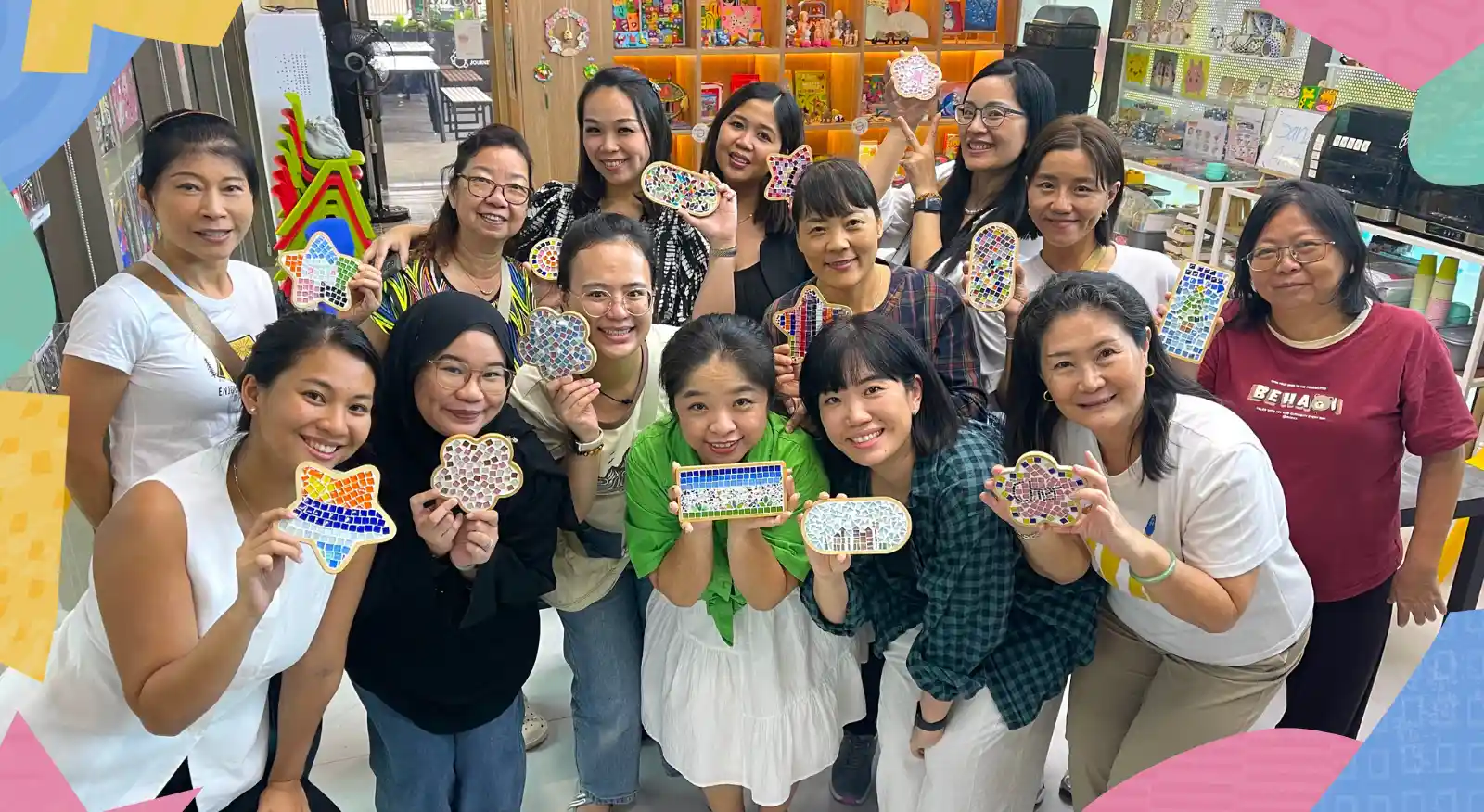
Art Jamming for Teams: Why It’s Trending in 2026
Art Journey has seen a steady increase in corporate enquiries for art jamming sessions designed specifically for teams. In 2026, organisations are rethinking how they bring people together — especially in workplaces shaped by hybrid work, diverse teams, and growing attention to employee well-being.
Art jamming, once associated mainly with casual creative sessions, has emerged as a meaningful team engagement format. Rather than focusing on competition or performance, it encourages collaboration, communication, and shared experience.
This article explains why art jamming for teams is trending in 2026, how it fits into modern workplace needs, and what organisations look for when choosing this format.
Overview
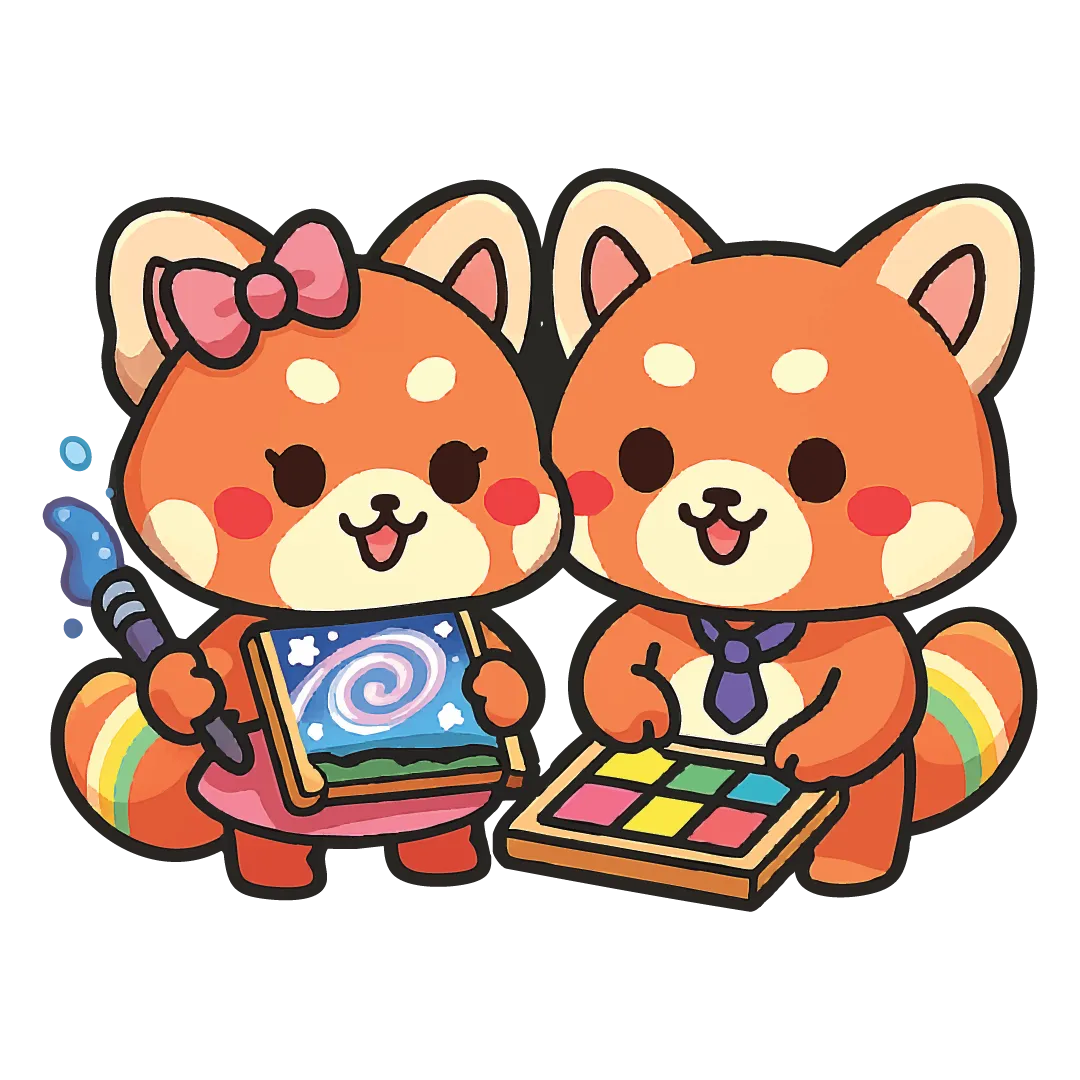
Art jamming is a guided creative activity where participants paint or create art in a relaxed, non-judgmental environment. For teams, art jamming is structured to encourage interaction, idea-sharing, and collaboration rather than artistic skill.
In 2026, art jamming for teams is widely used for:
- Team building and bonding
- Employee engagement events
- Department retreats
- Wellness and morale initiatives
Its popularity reflects broader shifts in workplace culture.
Why Team Building Is Changing
Traditional team building activities often relied on physical challenges or competitive games. While these formats still exist, they are no longer universally suitable.
Modern teams are:
- More diverse in age, ability, and background
- Often hybrid or partially remote
- Focused on psychological safety and inclusion
As a result, organisations in 2026 prefer team activities that are inclusive, low-pressure, and meaningful.
Art jamming meets these requirements by allowing participation at individual comfort levels while still creating a shared experience.
What Makes Art Jamming Suitable for Teams
- No Prior Skill Required
One of the key reasons art jamming for teams is trending is accessibility. Participants do not need artistic experience.
This removes barriers such as:
- Fear of judgment
- Skill comparison
- Performance pressure
Everyone starts at the same level, which supports inclusivity.
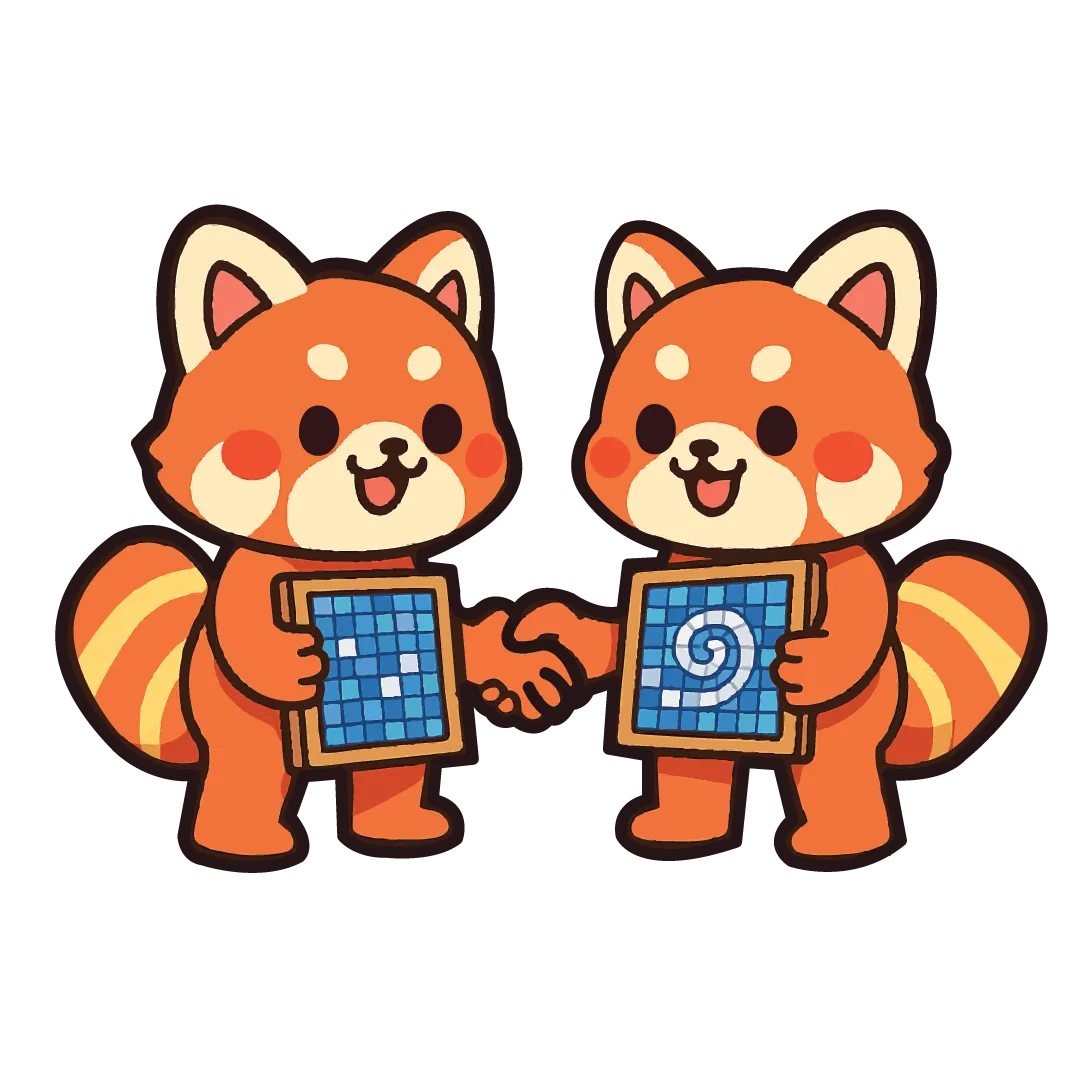
- Encourages Natural Collaboration
Art jamming sessions often involve:
- Sharing materials
- Exchanging ideas
- Observing different approaches
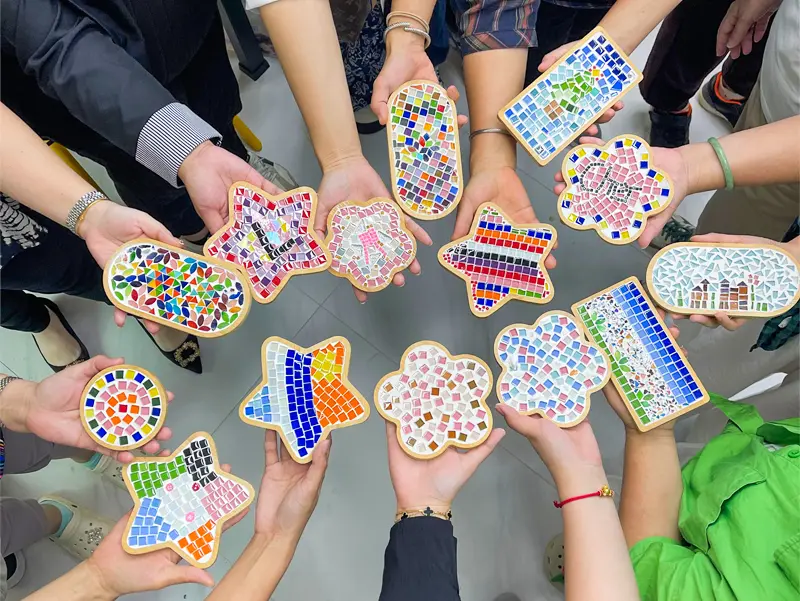
These interactions happen organically, without forced icebreakers. Teams communicate naturally while working on individual or collective pieces.
- Supports Psychological Safety
In 2026, psychological safety is widely recognised as important for effective teamwork. Art jamming creates a calm environment where experimentation is encouraged and mistakes are acceptable.
This mindset often carries over into workplace interactions.
The Role of Creativity in Team Dynamics
Creativity plays a practical role in how teams function.
Art-based activities help teams:
- Practice open-ended thinking
- Become comfortable with ambiguity
- Appreciate different perspectives
Art jamming allows teams to step outside their usual work roles, helping colleagues connect beyond job titles or hierarchy.
Art Jamming in Hybrid and Modern Workplaces
Hybrid work has reduced informal social interaction among colleagues. Many teams now meet mainly through screens, limiting opportunities for relationship building.
In-person art jamming sessions provide:
- Screen-free interaction
- Shared physical experiences
- Opportunities for informal conversation
Because sessions are structured yet relaxed, they work well even for teams that do not interact frequently.
How Art Jamming Sessions Are Structured in 2026
Modern team art jamming sessions are thoughtfully designed.
Common features include:
- Clear session flow and timing
- Guided facilitation without strict instruction
- Individual artworks or collaborative pieces
- Optional reflection or sharing
Studios like Art Journey customise sessions based on group size, objectives, and time availability.
Benefits Observed by Organisations
Organisations choosing art jamming for teams often report:
- Improved team communication
- Reduced stress levels
- Increased sense of connection
- Higher participation across roles
While art jamming is not a training programme, it supports soft skills that influence everyday work dynamics.
Why Art Jamming Fits 2026 Workplace Values
Several workplace trends align with art jamming’s appeal:
- Focus on employee well-being
- Preference for inclusive activities
- Shift away from competitive formats
- Emphasis on experience rather than outcomes
Art jamming reflects a people-first approach to engagement.
Choosing Art Jamming as a Team Activity
When selecting art jamming for teams, organisations typically consider:
- Group size
- Duration of the session
- Indoor, climate-controlled venues
- Level of facilitation required
Many companies choose studios that offer flexibility and clear communication.
Notes and Practical Guide
Note:
Art jamming is most effective when participation is voluntary and free from evaluation.
Guide:
Clarify the objective of the session — bonding, relaxation, or celebration — before selecting the format.
Tip:
Smaller group sizes often encourage deeper interaction, though large groups can be managed with structured facilitation.
Frequently Asked Questions (FAQ)
Is art jamming suitable for all team sizes?
Yes. Sessions can be adapted for small teams or larger groups with appropriate facilitation.
Do team members need to be creative?
No. Art jamming is designed for beginners and focuses on experience rather than skill.
How long does a team art jamming session usually last?
Most sessions range from 1.5 to 3 hours, depending on objectives.
Is art jamming only for creative industries?
No. Teams from finance, technology, education, and operations regularly participate.
Can art jamming replace traditional team building?
It may not replace all formats, but it is an effective alternative for inclusive and low-pressure engagement.