




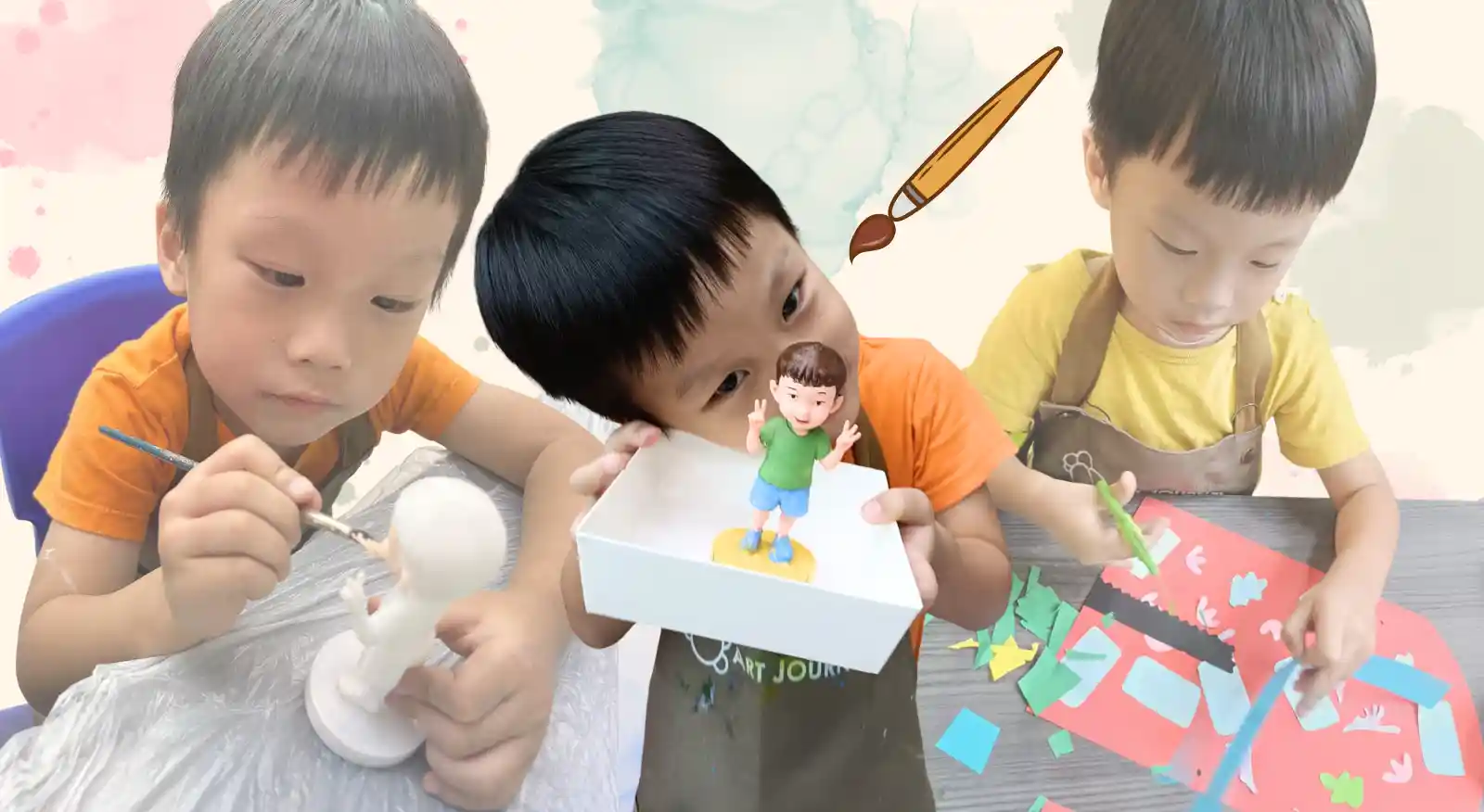
Art Therapy for Kids: Helping Children Express Through Colors
Children often feel emotions more deeply than adults, yet they don’t always have the words to explain what they’re experiencing. Feelings like frustration, anxiety, excitement, or sadness can build up silently — especially in young children who are still learning how to communicate.
This is where art therapy plays a powerful role. Through colours, shapes, and creative freedom, children can express what they feel safely and naturally. Art therapy doesn’t require artistic talent — it focuses on expression, not perfection.
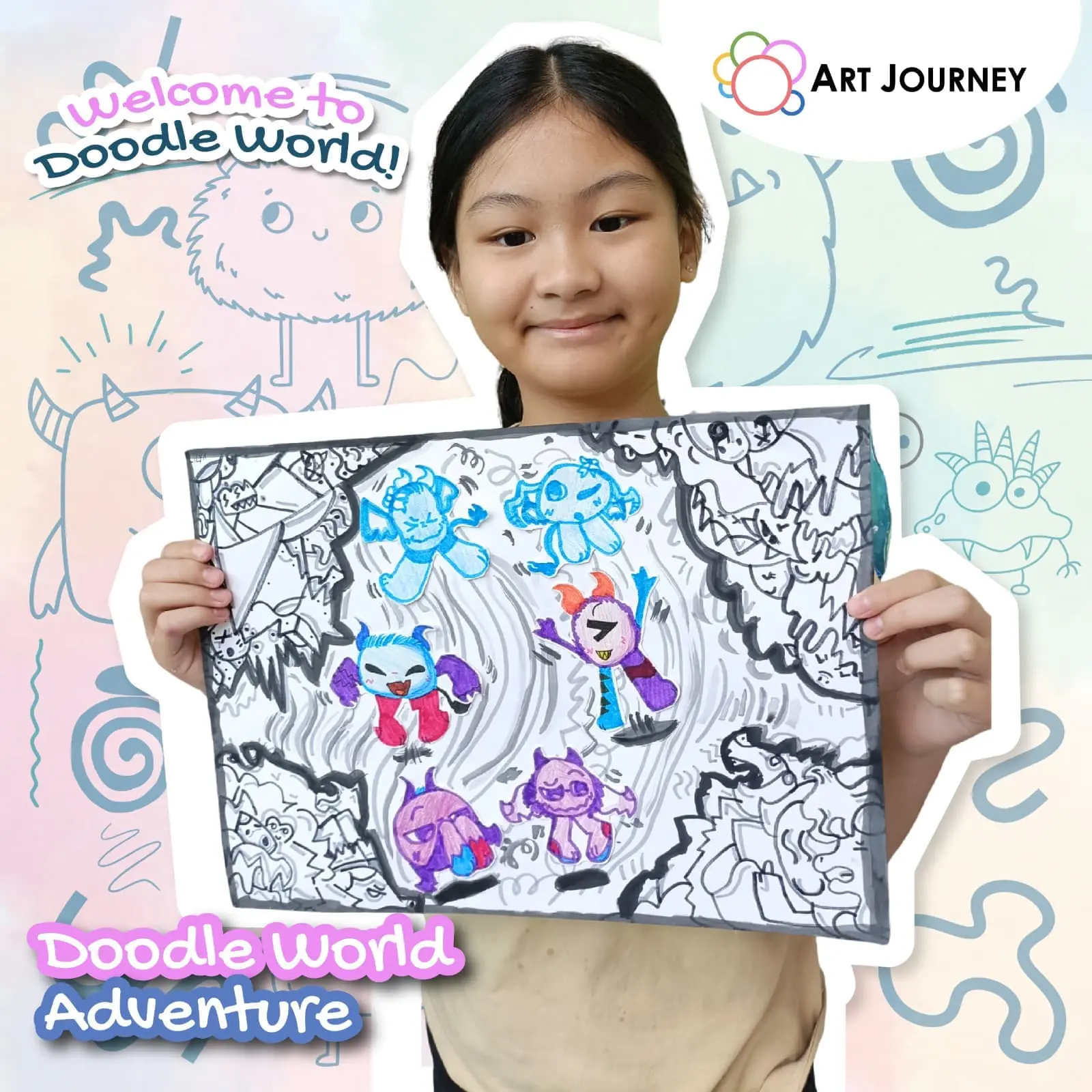
At Art Journey Singapore, many art workshops naturally incorporate art-therapy principles, giving children a safe space to explore emotions while enjoying creativity. Let’s explore how art therapy helps kids express themselves — and why colours are such a powerful emotional language.
What Is Art Therapy for Children?
Art therapy is a creative approach that uses art-making to help children express emotions, reduce stress, and understand their inner world. Instead of asking kids to talk about their feelings directly, art therapy allows them to show how they feel through creative work.
For children, this may include:
- Painting with specific colours
- Drawing emotions as shapes or characters
- Using clay to represent feelings
- Creating abstract art without rules
Art therapy is especially effective because it meets children where they are — through play and creativity.
Why Colours Matter in Emotional Expression
Colours carry strong emotional associations. Even young children instinctively choose colours based on how they feel, often without realising it.
For example:
- Bright colours like yellow or orange may express happiness or excitement
- Dark shades may reflect sadness, fear, or overwhelm
- Red can show energy, anger, or passion
- Blue often represents calmness or quiet emotions
When children paint freely, their colour choices offer insight into their emotional state. This makes colour-based art a powerful emotional communication tool.
How Art Therapy Helps Children Express Emotions
1. Art Gives Children a Voice Without Words
Some emotions are hard to explain, especially for younger children. Art allows kids to express feelings visually, without pressure to talk.
Through colours and shapes, children can communicate:
- “I feel upset”
- “I feel calm”
- “I feel confused”
- “I feel happy today”
This is especially helpful for shy, introverted, or emotionally sensitive children.
2. Art Therapy Creates a Safe Emotional Outlet
Art offers a safe space where children can release emotions without fear of judgement. There is no “wrong” way to paint or draw.
This safety helps children:
- Express bottled-up feelings
- Reduce emotional tension
- Feel understood and supported
- Build emotional trust
Over time, children become more comfortable expressing themselves both in art and in daily life.
3. Colours Help Children Understand Their Own Feelings
When children are encouraged to reflect on their artwork — gently and without pressure — they begin to recognise their emotions.
Simple questions like:
- “What does this colour mean to you?”
- “How did you feel while painting this?”
…help children develop emotional awareness, a key part of emotional intelligence.
4. Art Therapy Supports Emotional Regulation
The process of painting, colouring, or shaping clay can be deeply calming. The repetitive motions and focus required help children regulate their emotions.
Art therapy activities can help kids:
- Calm down after emotional outbursts
- Reduce anxiety
- Improve focus
- Feel grounded and relaxed
This is why art is often recommended for children experiencing stress or emotional overload.
5. Art Builds Confidence and Emotional Resilience
Completing an artwork gives children a sense of accomplishment. They learn that their feelings matter and can be expressed constructively.
This builds:
- Self-esteem
- Emotional resilience
- Confidence in self-expression
- Trust in their own emotions
Children who feel emotionally supported are better equipped to handle challenges.
Common Art Therapy Activities Using Colours
At art workshops like those at Art Journey Singapore, colour-based activities often support emotional expression naturally.
Popular activities include:
- Emotion Colour Painting: Children paint freely using colours that match how they feel that day
- Abstract Art Jamming: No rules, just free expression
- Mood Colour Wheels: Assigning colours to emotions
- Clay Colour Sculpting: Using coloured clay to represent feelings
- Mixed Media Expression Art: Combining textures and colours for layered emotions
These activities are enjoyable while quietly supporting emotional development.
Who Benefits Most from Art Therapy?
Art therapy is helpful for all children, but it’s especially beneficial for kids who:
- Are shy or introverted
- Struggle to verbalise emotions
- Experience anxiety or stress
- Feel overwhelmed by school pressure
- Have difficulty focusing
- Are adjusting to changes (new school, siblings, environment)
Even confident children benefit by gaining deeper emotional awareness and empathy.
Art Therapy vs Regular Art Classes: What’s the Difference?
Art therapy focuses on emotional expression, while regular art classes may focus more on technique. However, many child-friendly art workshops — including those at Art Journey — blend both approaches naturally.
The key difference is intention:
- Art therapy: Expression first
- Art classes: Skills + expression
For children, a balanced combination of both is ideal.
How Parents Can Support Art Therapy at Home
Parents don’t need special training to encourage emotional expression through art at home.
Simple tips include:
- Offer a variety of colours
- Avoid correcting or judging artwork
- Ask open-ended questions
- Let children create freely
- Focus on feelings, not results
Even short creative sessions at home can help children feel emotionally supported.
Art Journey Singapore: Supporting Emotional Expression Through Art
At Art Journey Singapore, workshops are designed to be calm, welcoming, and pressure-free. Children are encouraged to express themselves creatively while learning art techniques in a supportive environment.
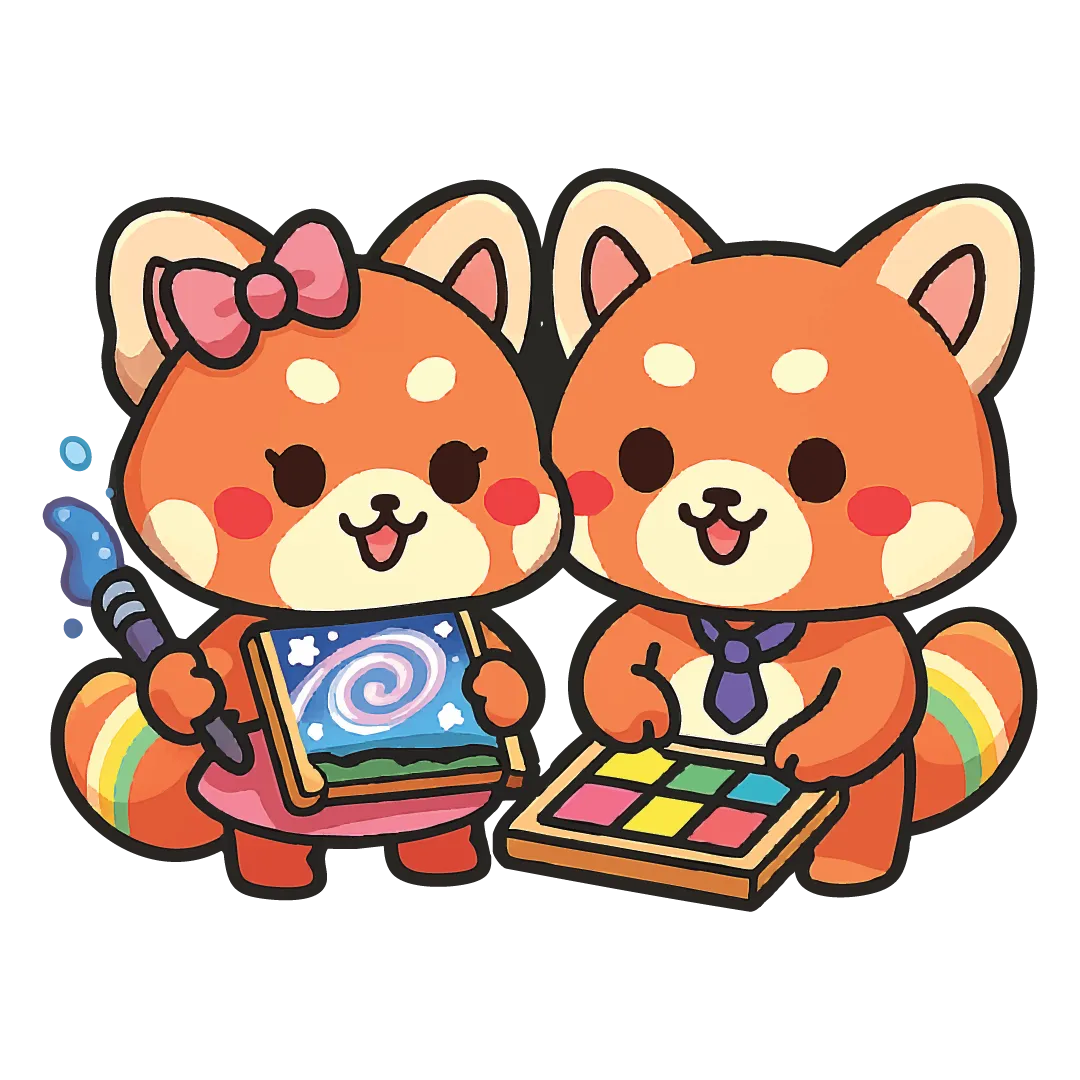
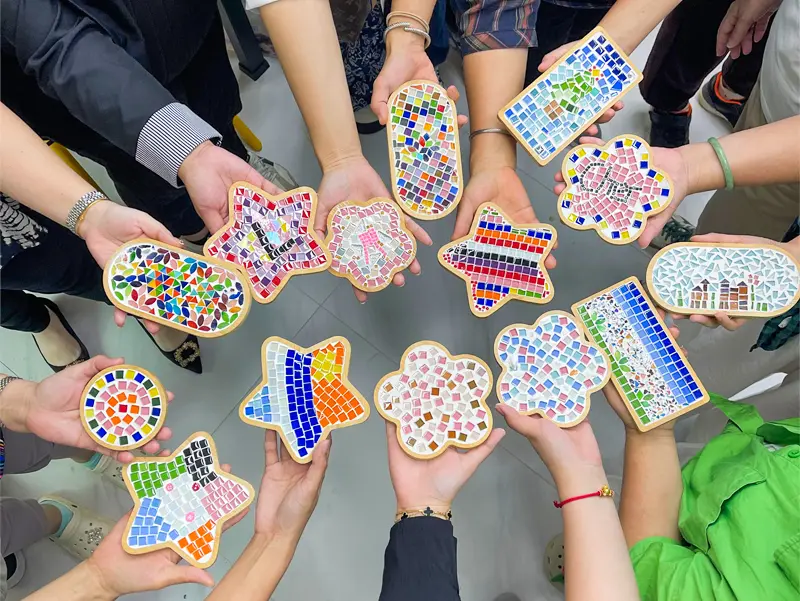
Through canvas painting, mosaic art, clay modelling, and mixed media, children naturally explore emotions, build confidence, and develop emotional intelligence — all while having fun.
FAQs: Art Therapy for Kids
- Is art therapy suitable for young children?
Yes. Children as young as 3–4 years old can benefit from simple colour-based art activities.
- Does my child need to talk about their emotions during art therapy?
No. Talking is optional. Expression through art alone is already beneficial.
- Can art therapy help with anxiety or stress?
Yes. Art is widely used to help children relax, process emotions, and reduce stress.
- How often should children do art-based emotional activities?
Once or twice a week is ideal, along with creative play at home.
- Is art therapy only for children with emotional difficulties?
Not at all. Art therapy benefits all children by improving emotional awareness and confidence.
- Can regular art workshops support emotional development?
Yes. Many child-friendly workshops naturally include therapeutic elements through creative freedom and expression.