





Cultural Workshops for Schools in Singapore: Engaging & Educational Experiences
Cultural workshops for schools play an important role in helping students understand diversity, heritage, and traditions in an engaging way. In multicultural Singapore, where students grow up surrounded by different languages, religions, and customs, hands-on cultural exposure strengthens awareness and appreciation from a young age.
Instead of learning culture only through textbooks, workshops allow students to experience it directly — through art, music, food, storytelling, and performance.
If your school is planning an enrichment programme, Racial Harmony Day activity, or Values-in-Action (VIA) initiative, this guide will help you explore suitable cultural workshop ideas.
Why Cultural Workshops Matter in Schools
Cultural education supports more than just academic knowledge.
It helps students:
- Develop respect for diversity
- Build empathy and social awareness
- Strengthen communication skills
- Improve confidence through participation
- Connect classroom lessons with real-world traditions
In Singapore’s context, cultural workshops align well with national events like Racial Harmony Day and National Day celebrations.
Popular Cultural Workshop Ideas for Schools
1. Traditional Art & Craft Workshops
Art-based workshops are among the most effective ways to teach culture because they are interactive and creative.
Examples include:
- Batik painting
- Chinese calligraphy
- Indian rangoli art
- Peranakan tile design
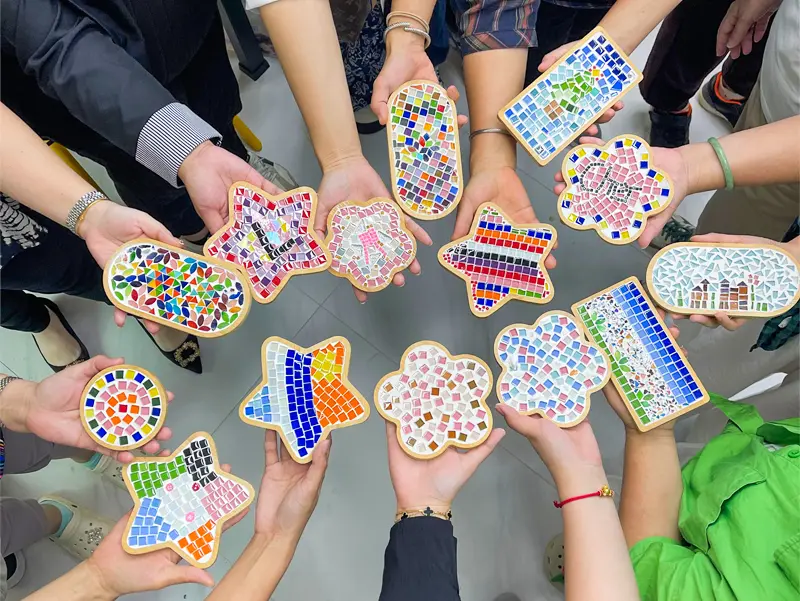
- Mosaic art inspired by traditional patterns
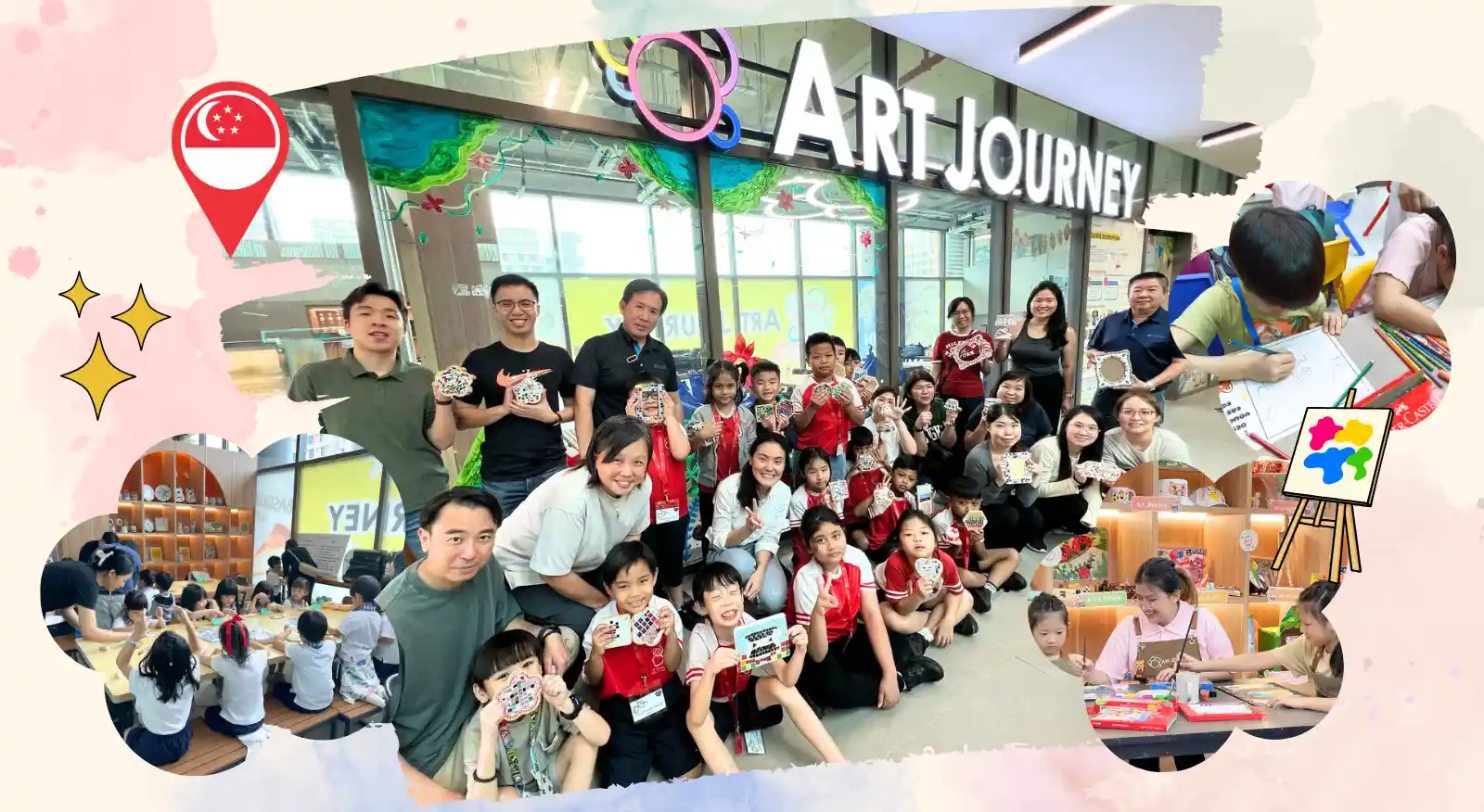
Creative studios such as Art Journey often customise art workshops for schools, incorporating cultural themes while keeping activities age-appropriate and engaging.
Art workshops are especially suitable for:
- Primary schools
- Secondary school enrichment programmes
- Holiday camps
Students not only learn cultural history but also create something meaningful to take home.
2. Traditional Dance & Music Workshops
Movement-based workshops allow students to experience culture physically.
Examples:
- Malay traditional dance
- Indian classical dance
- Chinese drum performance
- Ethnic music introduction
These sessions build:
- Teamwork
- Rhythm awareness
- Cultural appreciation
They are ideal for school assembly programmes or large-group events.
3. Cultural Food Workshops
Food is a powerful way to introduce cultural traditions.
Schools can organise:
- Traditional snack-making sessions
- Cultural food storytelling
- Safe, no-cook demonstrations
Students learn about:
- Ingredients
- Cultural significance of dishes
- Festival traditions
Allergy checks and safety measures are essential for food-based activities.
4. Festival-Themed Workshops
Many schools organise cultural workshops around specific celebrations such as:
- Chinese New Year
- Hari Raya
- Deepavali
- National Day
Activities may include:
- Lantern making
- Ketupat craft
- Oil lamp decoration
- Traditional costume appreciation
These workshops make festive learning immersive rather than theoretical.
5. Heritage Trail & Experiential Learning
Outdoor cultural exposure enhances learning.
Popular heritage locations include:
- Chinatown
- Little India
- Kampong Glam
Guided heritage trails help students observe architecture, traditions, and historical landmarks firsthand.
These trips are ideal for upper primary and secondary levels.
Benefits of Art-Based Cultural Workshops
Among all formats, art workshops remain one of the most flexible and inclusive options.
Why?
- Suitable for different age groups
- Adaptable to classroom settings
- Encourages creativity
- Less intimidating for shy students
- Easy to customise according to school themes
When cultural elements are incorporated into creative projects — such as mosaic patterns or traditional motifs — students absorb cultural understanding naturally.
Customising Cultural Workshops for Different Age Groups
Preschool
- Simple craft activities
- Storytelling with visual art
- Basic cultural symbols
Lower Primary
- Hands-on art projects
- Simple dance or rhythm workshops
- Festival craft sessions
Upper Primary
- Deeper historical context
- Heritage trail visits
- More detailed art techniques
Secondary School
- Discussion-based sessions
- Cultural identity exploration
- Collaborative projects
Age-appropriate content ensures engagement and meaningful learning.
How Schools Can Plan Successful Cultural Workshops
- Define Learning Objectives
Clarify whether the goal is:
- Cultural appreciation
- Artistic skill-building
- Social awareness
- Choose Interactive Formats
Hands-on experiences are more impactful than lecture-style sessions.
- Ensure Inclusivity
Workshops should represent Singapore’s multicultural diversity fairly and respectfully.
- Work with Experienced Providers
Engage facilitators who understand school environments and student management.
- Include Reflection Activities
After workshops, encourage students to:
- Share reflections
- Create follow-up artwork
- Write short summaries
Reflection reinforces learning.
Why Cultural Workshops Are Increasingly Popular
Singapore schools are placing more emphasis on:
- Holistic education
- Social-emotional learning
- Character development
Cultural workshops support these goals by:
- Promoting empathy
- Encouraging open-mindedness
- Strengthening community values
Creative formats, especially art-based sessions, make cultural learning enjoyable rather than formal.
Frequently Asked Questions (FAQ)
- What are cultural workshops for schools?
They are interactive programmes that teach students about traditions, heritage, and cultural practices through hands-on activities.
- Are cultural workshops suitable for all levels?
Yes. Activities can be customised for preschool, primary, and secondary students.
- How long should a cultural workshop last?
Typically 1–2 hours depending on age group and format.
- Are art-based cultural workshops effective?
Yes. They combine creativity with cultural learning, making lessons memorable.
- Can workshops be conducted in school premises?
Yes. Many providers conduct on-site workshops for convenience.
- How often should schools organise cultural workshops?
At least once or twice a year during key cultural celebrations or enrichment weeks.