








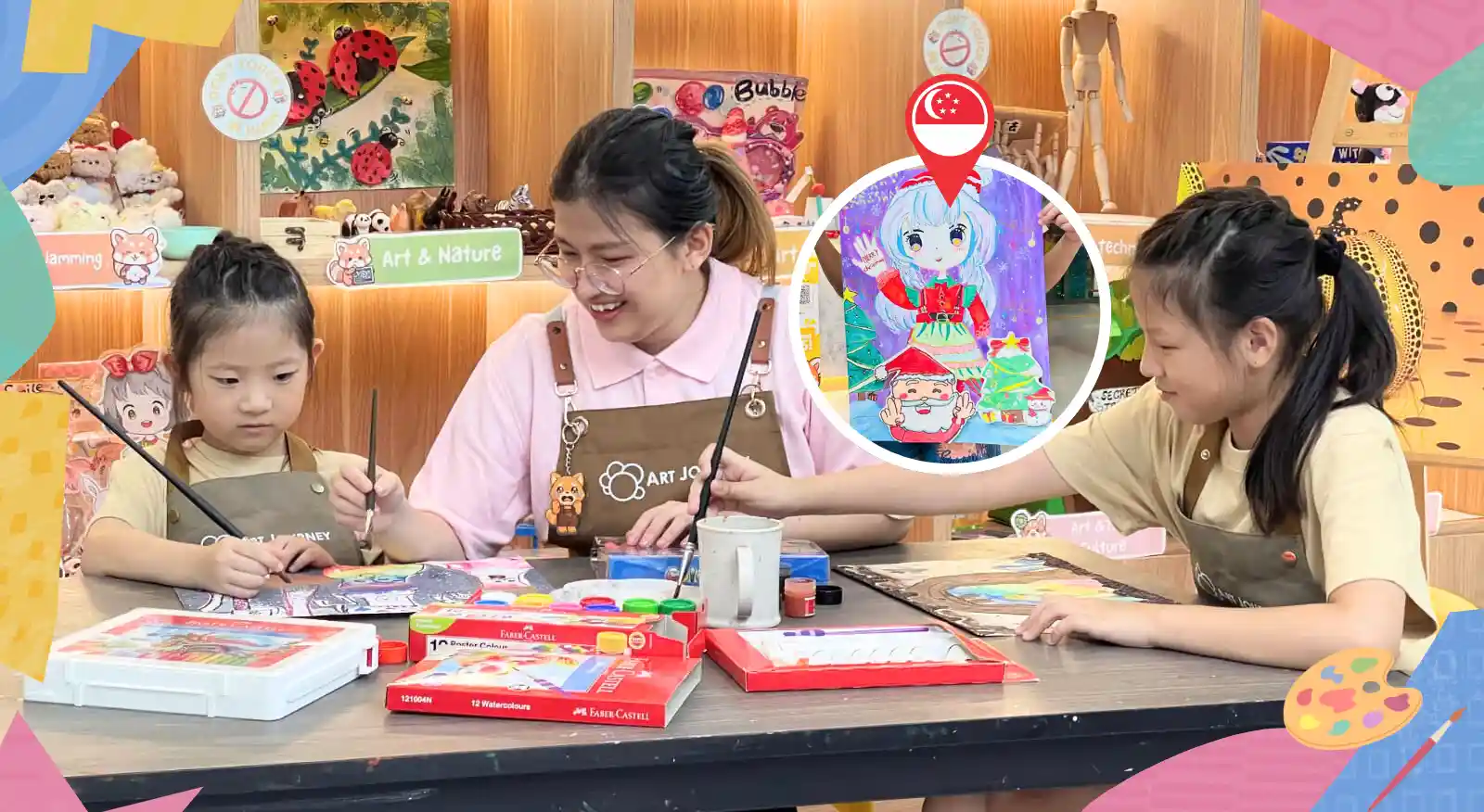
Drawing Class for Kids Singapore: A Complete Guide for Parents
If you are searching for a drawing class for kids in Singapore, you are not alone. Many parents today recognise that art is more than just a hobby — it builds focus, confidence, creativity, and even academic skills.
In Singapore’s academically driven environment, drawing classes provide children with a healthy balance. They offer a space where kids can explore imagination without exams or grading pressure.
This guide will help you understand what to expect from a drawing class, its benefits, and how to choose the right one for your child.
Looking for a supportive space where your child can explore drawing step by step? Discover hands-on workshops at designed for beginners.
Why Enroll Your Child in a Drawing Class?
Drawing may seem simple, but structured lessons can significantly improve a child’s development.
1. Builds Strong Foundations in Art
A proper drawing class teaches:
- Line control
- Proportion
- Shading techniques
- Perspective basics
- Observation skills
Instead of copying pictures, children learn how to construct drawings step by step.
2. Improves Focus and Patience
Drawing requires attention to detail. Children learn to:
- Sit for longer periods
- Follow structured instructions
- Complete tasks carefully
These habits often translate into better concentration in school.
3. Encourages Creative Thinking
Drawing allows children to:
- Express ideas visually
- Create stories through illustrations
- Develop imagination
Unlike academic subjects with fixed answers, art gives them freedom to think differently.
What Do Kids Learn in a Drawing Class in Singapore?
A structured drawing class for kids in Singapore usually covers progressive levels.
Beginner Level (Ages 4–6)
Focus areas:
- Basic shapes
- Simple objects
- Colouring control
- Hand-eye coordination
At this stage, lessons are playful and engaging.
Foundation Level (Ages 7–9)
Children start learning:
- Realistic object drawing
- Light and shadow
- Facial expressions
- Cartoon and character drawing
They begin to understand form and dimension.
Advanced Level (Ages 10–12 & Above)
Older children may explore:
- Perspective drawing
- Human proportions
- Still life sketching
- Portfolio preparation
Some classes also introduce anime drawing or digital illustration depending on the studio.
Types of Drawing Classes Available in Singapore
Singapore offers various formats depending on your preference.
1. Studio-Based Classes
Studio classes provide:
- Professional art environment
- Group interaction
- Access to more materials
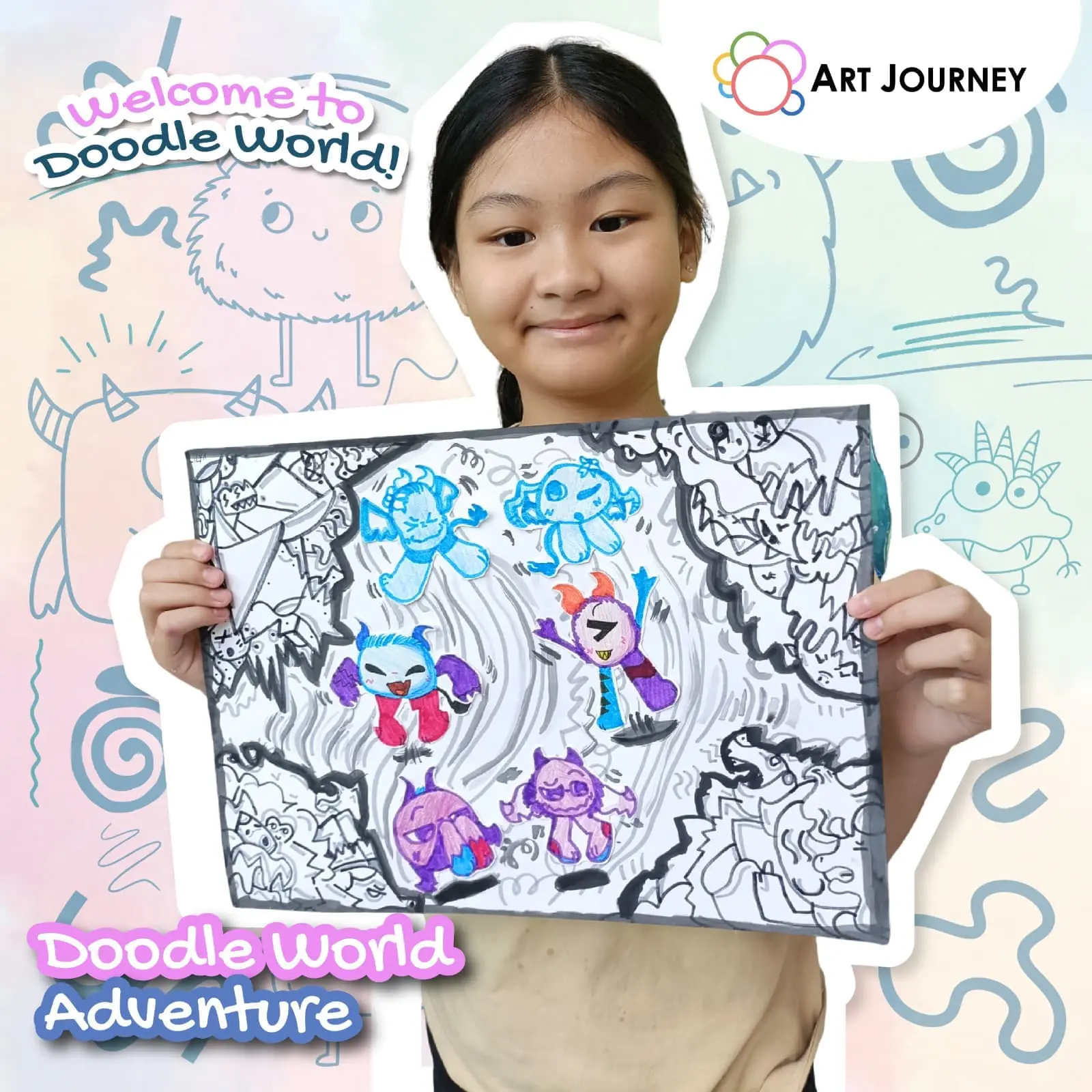
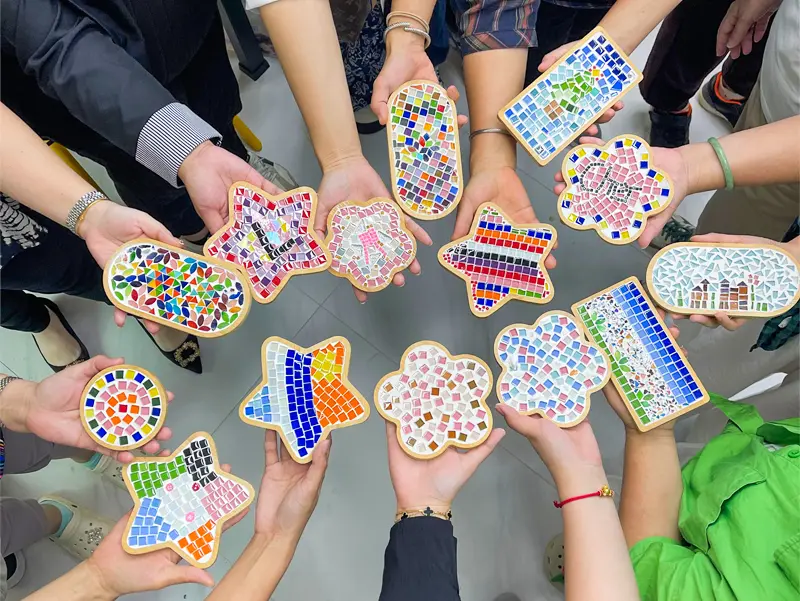
Studios like Art Journey offer structured art sessions designed to nurture creativity while guiding children through proper techniques.
Group settings also help children:
- Learn from peers
- Gain confidence presenting their work
- Develop social skills
2. Home-Based Drawing Classes
Some instructors conduct lessons at students’ homes. This option provides:
- Personalised attention
- Flexible scheduling
- Comfortable learning environment
It is ideal for children who are shy or prefer one-to-one guidance.
3. Online Drawing Classes
Online classes became popular in recent years. They offer convenience but may not provide the same hands-on correction as physical sessions.
For younger children, physical classes are usually more effective.
How to Choose the Right Drawing Class for Your Child
Not every drawing class in Singapore will suit your child’s needs. Consider the following factors:
1. Teaching Approach
Ask:
- Does the instructor focus on copying templates?
- Or do they teach drawing fundamentals?
Look for classes that balance technique and creativity.
2. Class Size
Smaller groups allow more attention per child. Ideally:
- 4–8 students per class
Large classes may reduce personalised guidance.
3. Curriculum Structure
A good drawing class should:
- Have progressive levels
- Show skill development over time
- Provide regular feedback
Avoid classes that repeat similar simple projects every week without progression.
4. Trial Classes
Many studios offer trial sessions. This helps parents observe:
- Teaching style
- Child’s comfort level
- Class environment
Benefits of Drawing Classes Beyond Art
Parents often notice improvements beyond artistic ability.
- Better Academic Performance
Drawing strengthens observation and analytical thinking. These skills support subjects like science and mathematics.
- Emotional Regulation
Art provides a safe space to express feelings. Children may communicate emotions more effectively through drawings.
- Increased Confidence
Completing artwork and receiving positive feedback builds self-esteem.
- Portfolio Preparation
For older children interested in DSA (Direct School Admission) into art-related programmes, structured drawing lessons help build a strong portfolio.
How Much Does a Drawing Class for Kids in Singapore Cost?
Costs vary depending on:
- Studio reputation
- Instructor experience
- Class duration
- Materials included
On average:
- Group classes range from SGD 30–60 per session.
- Private sessions may range from SGD 50–100 per hour.
While cost is important, quality teaching and curriculum structure matter more in the long run.
How Often Should Kids Attend Drawing Classes?
Consistency is key.
Recommended frequency:
- Once per week for steady improvement
- Twice per week for accelerated progress
Regular practice between classes also enhances learning.
Signs Your Child Is Ready for a Drawing Class
Consider enrolling if your child:
- Enjoys doodling frequently
- Shows interest in characters or storytelling
- Spends time colouring carefully
- Asks for more art materials
Even children who say “I can’t draw” often gain confidence quickly with proper guidance.
Supporting Your Child’s Drawing Journey at Home
Parents can encourage learning by:
- Providing sketchbooks
- Praising effort rather than perfection
- Displaying completed artwork at home
- Avoiding excessive correction
A supportive environment makes a big difference.
Why Creative Balance Matters in Singapore
Singapore’s education system is structured and competitive. Drawing classes provide:
- A break from academic pressure
- A chance for creative exploration
- Mental relaxation
Studios like Art Journey emphasise building confidence and creativity alongside technical skills, helping children enjoy the learning process rather than feeling judged.
Creative outlets are not distractions — they are essential for holistic development.
Frequently Asked Questions (FAQ)
- What is the best age to start drawing classes?
Children can start as young as 4 years old with basic foundational lessons.
- How long does it take to see improvement?
Visible improvement can usually be seen within 2–3 months of consistent practice.
- Are drawing classes only for talented kids?
No. Drawing is a skill that can be developed with guidance and practice.
- Should my child learn colouring before drawing?
Basic colouring skills help, but drawing fundamentals can be taught simultaneously.
- Can drawing classes help shy children?
Yes. Art provides a non-verbal way to express ideas and build confidence.
- What materials are usually needed?
Pencils, erasers, sketchbooks, and sometimes coloured pencils or markers. Many studios provide materials.