





Easy and Fun Arts and Crafts for Kids (Simple Ideas Parents Can Try at Home)
Looking for easy and fun arts and crafts for kids that don’t require expensive materials or complicated preparation? You’re in the right place.
Arts and crafts are more than just a way to pass time. They help children develop creativity, patience, fine motor skills, and confidence. The best part? Many meaningful craft activities can be done using items you already have at home.
In this guide, you’ll discover simple craft ideas, why they are beneficial, and how to make them more engaging for different age groups.
Why Arts and Crafts Matter for Kids
Before we jump into the ideas, let’s understand why arts and crafts are important.
Craft activities help children:
- Improve hand-eye coordination
- Strengthen fine motor skills
- Develop problem-solving abilities
- Express emotions creatively
- Build focus and patience
In a fast-paced, screen-heavy world, hands-on activities provide a healthy balance.
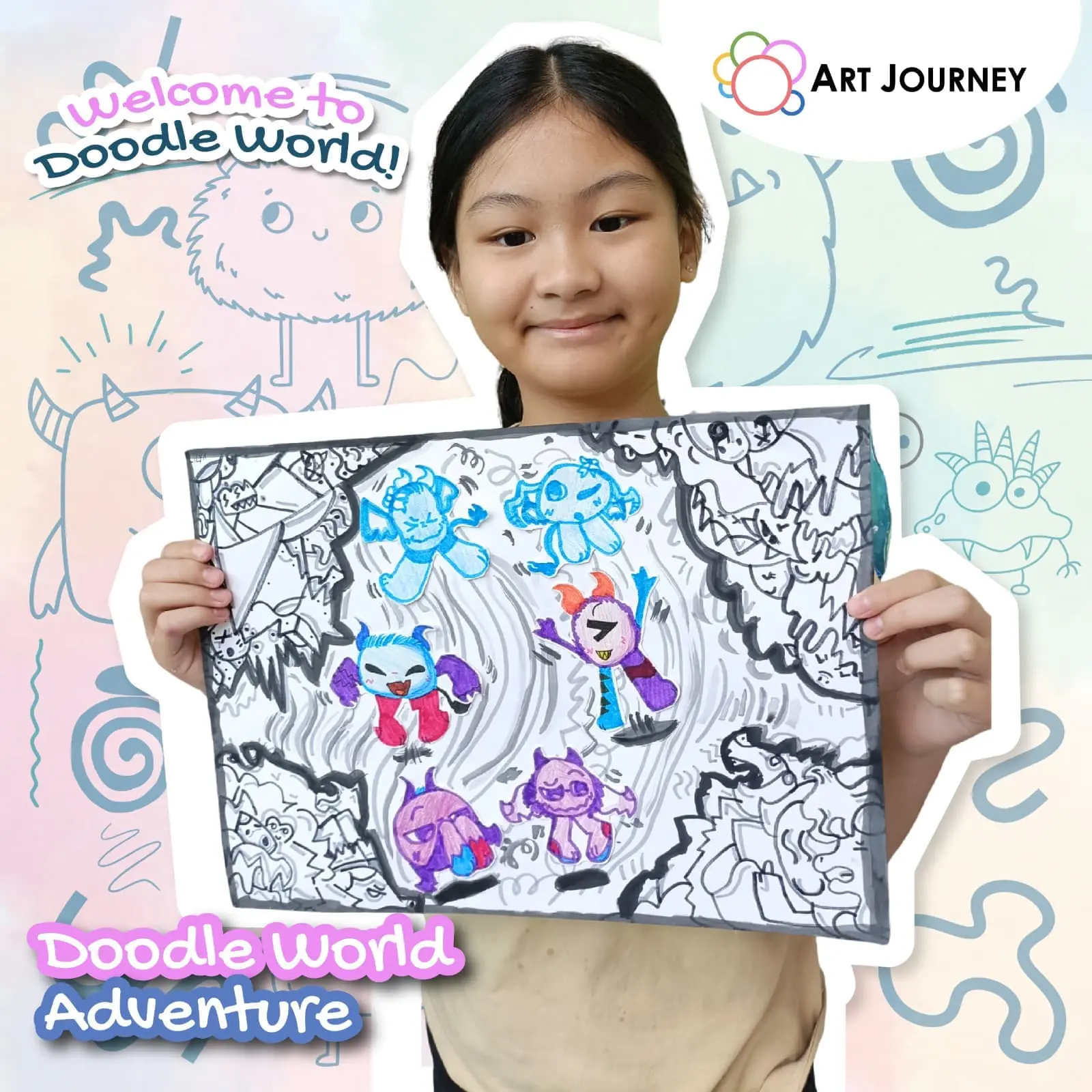
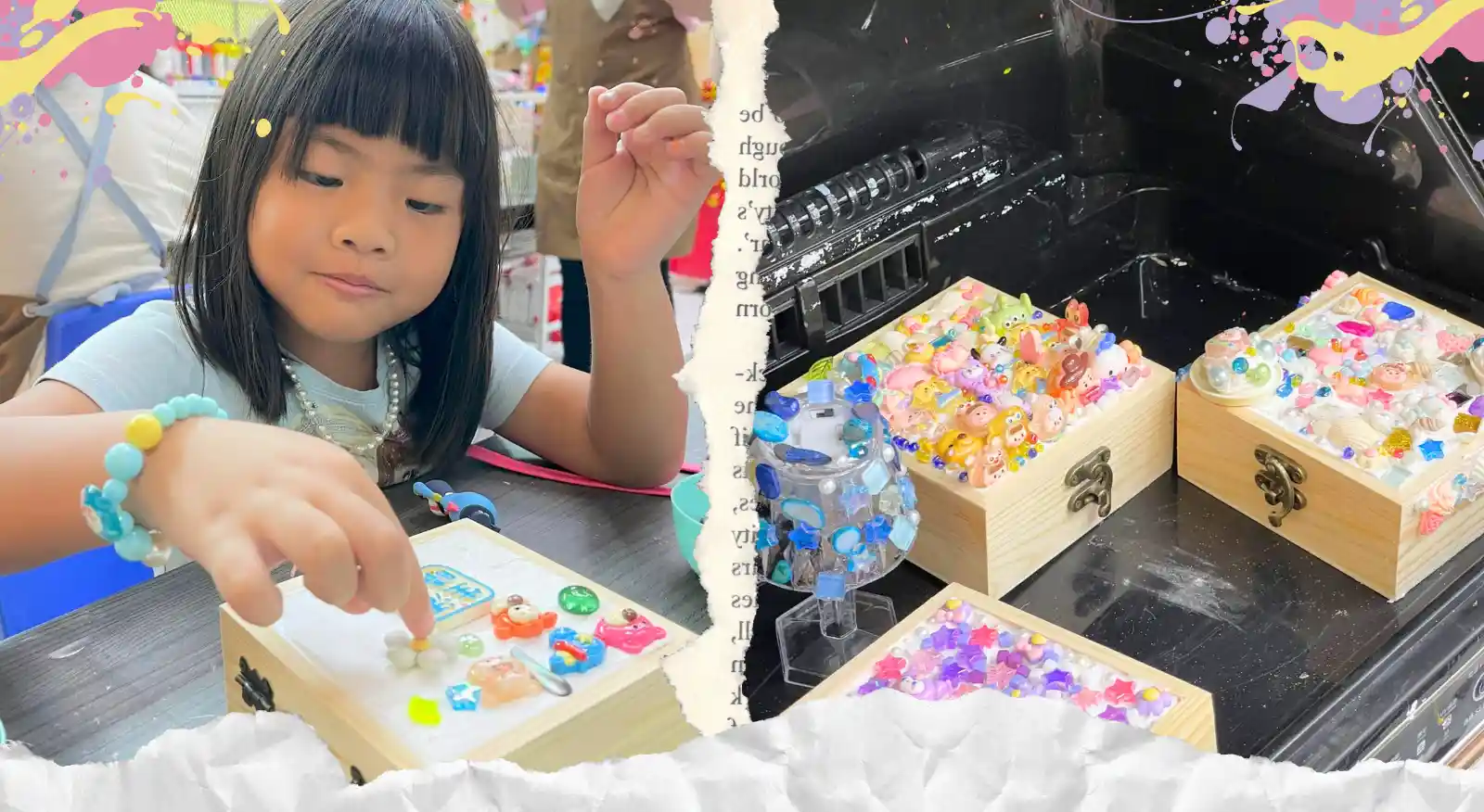
Creative spaces such as Art Journey often incorporate simple craft techniques in their workshops because they know that even basic activities can spark big imagination.
10 Easy and Fun Arts and Crafts Ideas for Kids
1. Paper Plate Animals
What you need:
- Paper plates
- Colour paper
- Glue
- Markers
Children can turn paper plates into lions, frogs, fish, or even imaginary creatures.
Why it’s great:
- Encourages creativity
- Improves cutting skills
- Easy for preschoolers
You can even turn it into a storytelling session where kids create a short story about their animal.
2. Handprint Art
Handprint crafts are always a hit.
Ideas include:
- Handprint butterflies
- Handprint trees
- Handprint animals
Why kids love it:
- It’s messy (in a fun way)
- It feels personal
- Parents can keep it as a memory
Tip: Use washable paint to keep clean-up simple.
3. Toilet Roll Crafts
Recycle empty toilet rolls into:
- Binoculars
- Rockets
- Animals
- Mini castles
This teaches children about recycling while encouraging imaginative play.
It’s a perfect example of how creativity doesn’t require expensive supplies.
4. DIY Bookmark Craft
Great for school-going kids.
Materials:
- Cardstock
- Colour pencils
- Stickers
- Ribbon
Children can design their own bookmarks with quotes, drawings, or patterns.
This is both creative and practical — they’ll use it daily.
5. Simple Origami
Origami teaches patience and precision.
Start with:
- Paper boats
- Paper planes
- Simple animals
Benefits:
- Improves concentration
- Enhances spatial awareness
- Develops step-by-step thinking
Older children especially enjoy the challenge.
6. Sponge Painting
Instead of brushes, use kitchen sponges cut into shapes.
Kids can:
- Stamp patterns
- Create textured art
- Experiment with colours
It’s simple, fun, and less intimidating than detailed drawing.
7. Nature Collage
Take children outdoors to collect:
- Leaves
- Small twigs
- Flowers
- Grass
Then glue them onto paper to create landscapes or abstract art.
This activity combines outdoor exploration with creativity.
8. DIY Slime (Supervised)
Slime-making is both craft and science.
Children love:
- Mixing ingredients
- Watching the texture change
- Playing with the final product
Ensure adult supervision and safe ingredients.
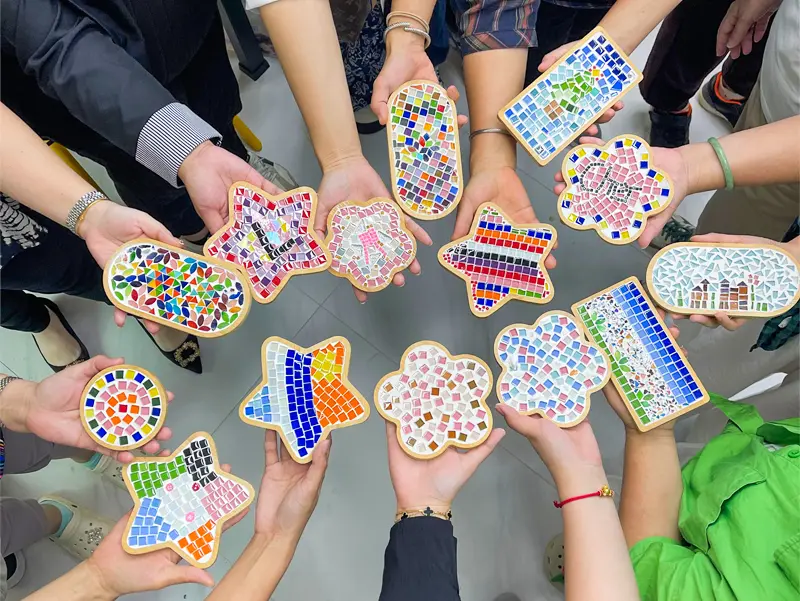
9. Mosaic Art with Paper Pieces
Cut coloured paper into small squares.
Kids can:
- Create patterns
- Form animals or shapes
- Design abstract art
Mosaic art improves:
- Patience
- Precision
- Colour coordination
Many art workshops, including those at Art Journey, use mosaic techniques because they help children focus deeply while still enjoying the process.
10. Story-Based Drawing Craft
Instead of random drawing, create a theme:
- “Draw your dream house”
- “Design your own superhero”
- “Create a new planet”
Adding storytelling makes art more exciting.
How to Make Arts and Crafts More Engaging
- Set a Theme
Themes make activities more exciting:
- Ocean day
- Space adventure
- Jungle animals
- Festival crafts
- Allow Freedom
Avoid correcting too much. Let children explore.
There is no “right” or “wrong” in creative play.
- Display Their Work
Hang artwork on the wall or fridge. This boosts confidence and motivation.
- Keep Sessions Short
For younger kids:
- 20–30 minutes is enough
For older kids:
- 45–60 minutes works well
Age-Based Craft Suggestions
Preschool (3–5 years)
- Handprint art
- Paper plate crafts
- Sponge painting
Lower Primary (6–8 years)
- Bookmark design
- Simple origami
- Mosaic art
Upper Primary (9–12 years)
- Story-based drawing
- Advanced origami
- Mixed media crafts
Adjust difficulty based on your child’s attention span.
Benefits Beyond Fun
Easy and fun arts and crafts for kids offer long-term benefits:
- Boost creativity
- Improve problem-solving skills
- Strengthen motor control
- Enhance emotional expression
- Reduce screen dependency
Creative sessions also help children relax and reset mentally.
That’s why structured art programmes and workshops continue to grow in popularity — they offer guided creativity in a supportive environment.
Give your child more than just another class — give them confidence, creativity, and joyful memories. Discover weekend art workshops at Art Journey Singapore today.
Tips for Parents
- Prepare materials in advance
- Use washable supplies
- Accept mess as part of creativity
- Focus on effort, not perfection
- Join in the activity occasionally
Children enjoy crafts more when parents show interest.
Frequently Asked Questions (FAQ)
- What are the easiest crafts for toddlers?
Handprint art, sponge painting, and paper plate crafts are simple and safe.
- How can I make crafts educational?
Add storytelling, counting, or colour identification elements to the activity.
- Do arts and crafts improve academic performance?
Yes. They strengthen focus, observation, and fine motor skills, which support learning.
- How often should kids do craft activities?
2–3 times a week is ideal for maintaining creativity without overwhelming them.
- What if my child loses interest quickly?
Keep sessions short and vary activities regularly.
- Do crafts need to look perfect?
No. The process matters more than the final product.