







How Art Classes Encourage Mindfulness in Children
In today’s fast-moving world, children are exposed to constant stimulation — school demands, digital devices, packed schedules, and social expectations. Even at a young age, many children experience restlessness, anxiety, and difficulty slowing down. This is why mindfulness has become an increasingly important skill for children to develop.
Mindfulness doesn’t mean meditation alone. For children, mindfulness is about being present, focused, and calm in the moment. One of the most natural and enjoyable ways to cultivate mindfulness is through art classes.
At Art Journey Singapore, we see how creative workshops help children slow down, focus, and enjoy the present moment — all while expressing themselves through colours and forms. Here’s how art classes gently and effectively encourage mindfulness in children.
What Is Mindfulness for Children?
Mindfulness for children means:
- Paying attention to what they are doing
- Being aware of thoughts and feelings
- Staying calm and focused
- Responding rather than reacting
Unlike adults, children don’t need formal mindfulness training. They learn mindfulness best through hands-on, engaging activities — and art provides exactly that.
1. Art Helps Children Slow Down Naturally
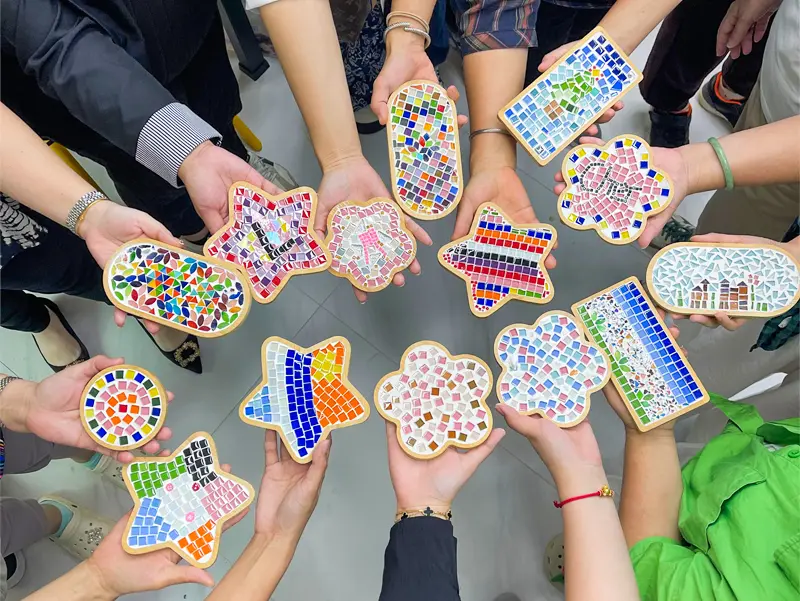
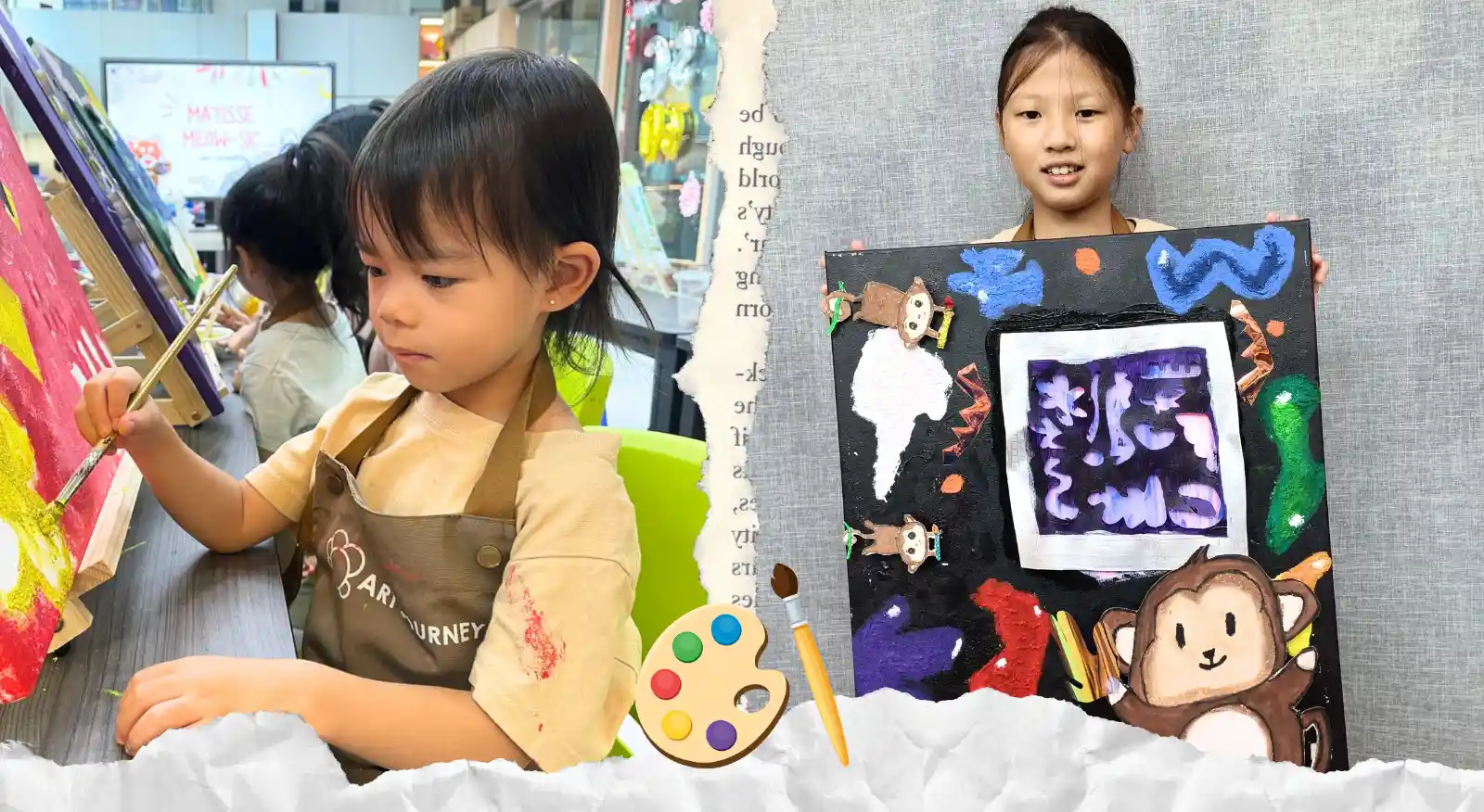
Many art activities require careful, deliberate movements — brushing paint, placing mosaic tiles, shaping clay, or colouring within spaces.
These actions naturally encourage children to:
- Slow their breathing
- Focus on one task at a time
- Stay present in the moment
- Let go of external distractions
Without being told to “be mindful,” children become mindful through the creative process.
2. Art Classes Encourage Deep Focus and Attention
Mindfulness and focus go hand in hand. In art classes, children become absorbed in what they’re creating. This state of deep engagement is known as flow, where time seems to pass unnoticed.
Through art, children practise:
- Sustained attention
- Patience
- Task completion
- Concentration without pressure
These skills transfer into classroom learning, homework, and everyday routines.
3. Repetitive Art Movements Calm the Mind
Many art techniques involve repetition — colouring patterns, arranging mosaic tiles, rolling clay, or layering paint.
Repetitive motions help children:
- Calm their nervous system
- Reduce anxiety
- Feel grounded and relaxed
- Release pent-up energy
This calming effect is similar to mindfulness exercises but feels more enjoyable and accessible to children.
4. Art Creates a Safe Space for Emotional Awareness
Mindfulness includes being aware of emotions without judgement. Art allows children to express feelings through colours, shapes, and textures without needing words.
In art classes, children can:
- Paint how they feel
- Use colours that match their mood
- Express frustration, happiness, or calm
- Feel accepted and understood
This emotional awareness builds emotional intelligence and self-regulation.
5. Art Encourages Non-Judgemental Thinking
One of the foundations of mindfulness is accepting experiences as they are. Art classes help children understand that there is no “right” or “wrong” outcome.
This teaches children to:
- Let go of perfection
- Accept mistakes
- Enjoy the process
- Build self-compassion
Children who learn this mindset are more resilient and less anxious about performance.
6. Art Helps Children Disconnect from Screens
Screens demand quick reactions and constant stimulation, making it difficult for children to slow down. Art provides a much-needed break from digital overload.
Art classes encourage:
- Hands-on engagement
- Sensory awareness
- Real-world interaction
- Balanced routines
This digital balance supports better sleep, focus, and emotional well-being.
7. Guided Art Classes Offer Calm Structure
Well-designed art classes combine gentle structure with creative freedom. Children feel safe knowing what to expect while still enjoying the freedom to explore.
At Art Journey Singapore, workshops are paced calmly, with clear guidance and encouragement — creating a stress-free environment where mindfulness naturally grows.
Children learn to:
- Follow steps patiently
- Respect personal space
- Work quietly yet joyfully
- Appreciate the creative journey
8. Art Builds Self-Awareness and Reflection
After completing an artwork, children often reflect on what they created. Simple questions like:
- “How did you feel while making this?”
- “What part did you enjoy most?”
…help children connect their actions with their emotions. This reflection strengthens mindfulness and emotional insight.
9. Group Art Encourages Calm Social Interaction
Mindfulness isn’t only internal — it also affects how children interact with others. Group art classes teach children to share materials, wait their turn, and respect others’ space.
These experiences promote:
- Patience
- Empathy
- Calm communication
- Awareness of others
Mindful social behaviour supports healthier relationships and classroom readiness.
10. Mindfulness Through Art Builds Long-Term Emotional Resilience
Children who practise mindfulness through art develop coping skills that last beyond childhood.
They learn to:
- Pause before reacting
- Handle stress calmly
- Express emotions constructively
- Stay grounded in challenging situations
These skills are essential for academic success, friendships, and emotional well-being.
Art Journey Singapore: Nurturing Mindful Creativity
At Art Journey Singapore, mindfulness is woven naturally into every workshop. Through canvas painting, mosaic art, clay modelling, and mixed media projects, children are encouraged to slow down, focus, and enjoy the creative moment.
Our workshops provide:
- Calm, supportive environments
- Gentle guidance
- Hands-on creative expression
- Emotional safety
- Opportunities for focus and reflection
Children leave not only with beautiful artwork, but also with a sense of calm and confidence.
FAQs: Art Classes and Mindfulness in Children
- Can art really help children practise mindfulness?
Yes. Art naturally promotes focus, calmness, and present-moment awareness through hands-on engagement.
- What age is best to introduce mindfulness through art?
Children can benefit from art-based mindfulness as early as 4 years old.
- Are mindful art classes suitable for energetic children?
Absolutely. Art helps energetic children channel their energy in a calm, productive way.
- How often should children attend art classes for mindfulness benefits?
Once or twice a week is ideal, combined with creative time at home.
- Do children need to understand mindfulness concepts?
No. Children experience mindfulness naturally through art without needing formal explanations.
- Why choose Art Journey for mindful art experiences?
Art Journey offers child-friendly, pressure-free workshops that encourage focus, emotional balance, and joyful creativity.