









How Creative Play Will Shape Singapore Kids in 2026
As Singapore moves further into a fast-paced, digital-driven future, parents and educators are seeking ways to balance academic expectations with mental wellness, confidence, and creativity. In 2026, creative play will become one of the most important influences on children’s growth.
With rising screen time, heavier learning pressures, and growing awareness of emotional well-being, creative play is no longer “just for fun.” It is a developmental necessity — helping children learn through exploration, expression, and imagination.
At Art Journey Singapore, we see daily how creative play supports children aged 4–12 in ways that textbooks alone cannot. From building resilience to strengthening problem-solving abilities, creative play shapes confident, expressive, and curious young learners.
Here’s how creative play will shape Singapore’s children in 2026.
1. Creative Play Will Strengthen Imagination and Future-Ready Thinking
The future workplace requires skills like innovation, adaptability, and imagination — qualities that arise naturally from creative play.
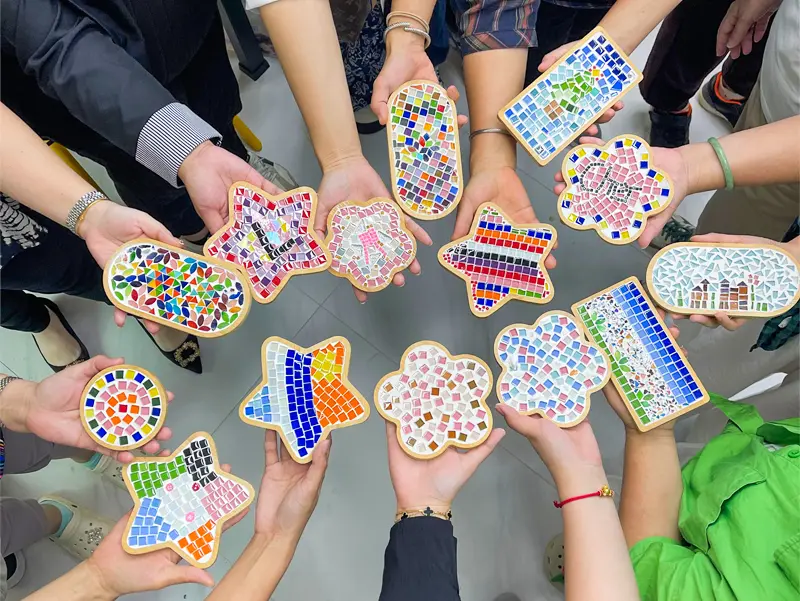
In 2026, kids who engage in activities like painting, mosaic art, crafting, or storytelling will develop:
- Original thinking
- Flexibility in problem-solving
- Ability to explore ideas freely
- Curiosity beyond structured learning
These skills prepare children for an unpredictable world where creativity is just as valuable as academics.
2. Emotional Intelligence Will Grow Through Creative Expression
With rising awareness of child mental health, creative play will play a major role in helping kids understand and regulate their emotions.
Through colours, textures, and hands-on creation, children:
- Express emotions safely
- Build emotional vocabulary
- Develop empathy
- Process stress or anxiety
- Gain confidence in sharing how they feel
Art workshops provide a calm, pressure-free environment where emotions can flow naturally.
3. Creative Play Will Improve Focus in a Digital Age
Kids today are surrounded by tablets, phones, and digital distractions. In 2026, parents will turn increasingly to creative play to help children strengthen their attention span.
Hands-on art encourages kids to:
- Slow down
- Observe details
- Stay focused on one task
- Build patience
- Enjoy non-digital play
These skills carry over into schoolwork, homework habits, and daily routines.
4. Creative Activities Will Support Motor Skills and Cognitive Growth
Cognitive development in early childhood relies heavily on sensory-rich, hands-on activities — something creative play naturally provides.
Through cutting, painting, drawing, sticking, moulding clay, or choosing colours, kids enhance:
- Fine motor skills
- Hand-eye coordination
- Spatial awareness
- Decision-making
- Memory and sequencing
These skills set the foundation for academic readiness and smooth school transitions.
5. Creative Play Will Boost Confidence and Independent Thinking
When children create something of their own — a painting, a craft, a mosaic design — they feel proud. This sense of accomplishment builds confidence and motivates them to explore more.
In 2026, creative play will:
- Encourage kids to trust their ideas
- Reduce fear of mistakes
- Build self-esteem
- Strengthen independence
- Help children take healthy risks
Kids become more confident learners when they feel capable of creating something unique.
6. Creative Play Enhances Social Skills and Communication
Group art workshops and creative activities naturally promote social learning. Children share materials, discuss ideas, work on group projects, and celebrate each other’s creations.
This improves:
- Communication
- Cooperation
- Understanding of diverse perspectives
- Listening skills
- Empathy
In a multicultural society like Singapore, these social skills are invaluable.
7. Creative Play Supports Stress Relief and Emotional Calm
In a structured education system, kids often face academic pressure from a young age. Creative play offers a mental break that helps them reset.
Art activities such as painting, mosaic arranging, clay moulding, or colouring produce a calming effect similar to meditation.
Creative play helps kids:
- Reduce anxiety
- Regulate emotions
- Find joy in slow, mindful activity
- Build resilience
- Feel more balanced
Parents in 2026 will prioritise activities that support emotional wellness — and creative play is one of the most effective methods.
8. Creative Play Will Make Learning More Engaging
Children retain more information when learning is hands-on and fun. Creative play helps children understand concepts through real experiences rather than memorisation.
Examples:
- Mixing colours teaches science concepts
- Mosaic patterns improve math reasoning
- Drawing stories supports literacy
- Clay shaping enhances sensory awareness
Art becomes a bridge between imagination and structured learning.
9. Creative Environments Will Empower Kids to Explore Without Fear
One of the biggest advantages of creative play is freedom — the freedom to try, experiment, and make mistakes. In 2026, parents will recognise that this freedom is essential for intellectual and emotional growth.
Creative play eliminates:
- Fear of judgement
- Pressure to perform
- Strict rules
It encourages children to explore possibilities and grow confidently at their own pace.
Art Journey Singapore: Building the Creative Minds of 2026
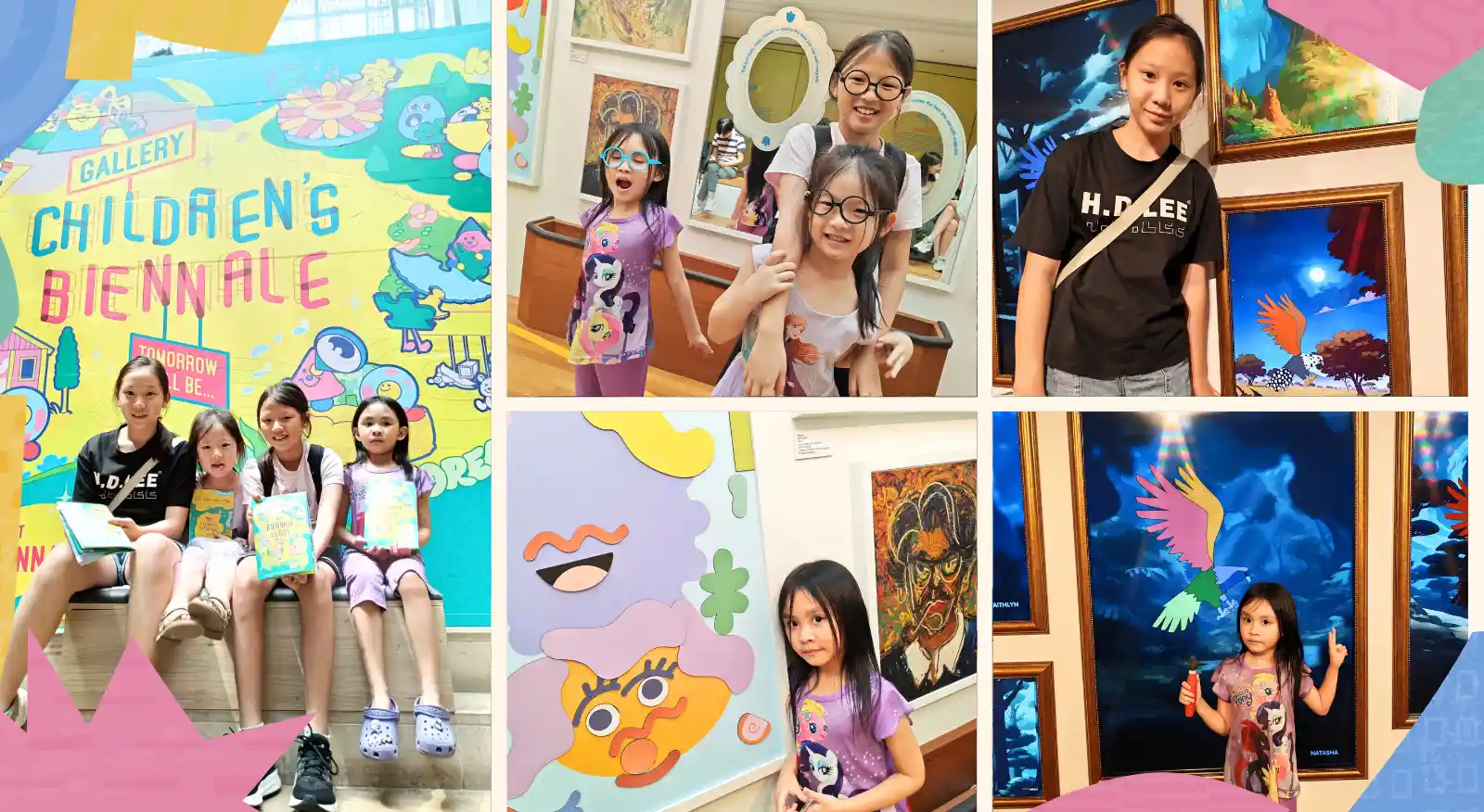
Art Journey provides a nurturing environment where children explore creative play through canvas painting, mosaic art, clay modelling, mixed media, and themed workshops.
Our programmes help kids:
- Strengthen emotional resilience
- Build creative confidence
- Enhance focus and motor skills
- Develop a love for lifelong learning
In 2026, creative play will be one of the most valuable investments parents can make in their child’s holistic development — and Art Journey is proud to be part of that journey.
FAQs: Creative Play in 2026
- Why is creative play more important in 2026?
Because children are growing up in a highly digital, fast-paced environment. Creative play balances emotional, cognitive, and social development.
- What age should kids start creative play?
As early as 18 months, with structured workshops ideal from age 4 onwards.
- Does creative play improve academic performance?
Yes. Creative play enhances memory, focus, problem-solving, and confidence — all essential for academic success.
- How often should children engage in creative play?
At least 1–2 times a week provides consistent developmental benefits.
- Is creative play suitable for shy or introverted children?
Absolutely. Creative play is gentle and pressure-free, helping shy kids express themselves comfortably.
- What makes Art Journey ideal for creative play?
Art Journey offers guided, meaningful, hands-on art experiences that support emotional, cognitive, and creative growth in a child-friendly space.