









How Parents Can Support Creative Growth at Home in 2026
As Singapore moves into a more innovation-driven future, creativity will become one of the most valuable skills children can develop. Whether it’s problem-solving, emotional expression, or original thinking, creative abilities help children thrive academically, socially, and personally.
In 2026, parents play a crucial role in shaping this growth — not through expensive tools or structured lessons, but through simple, intentional moments at home. Creativity blossoms when children feel encouraged, supported, and free to explore.
At Art Journey Singapore, we often meet parents who ask:
“How can I help my child stay creative outside the studio?”
The good news is that creativity begins at home, and even small actions can spark big ideas. Here’s how Singapore parents can support creative growth for their children in 2026.
1. Create a Safe Space for Creative Exploration
You don’t need a full art room — just a small corner where your child can freely draw, paint, build, or craft.
A creative space helps children:
- Feel ownership over their ideas
- Explore without fear of making mistakes
- Build independence
- Stay engaged for longer periods
Include items like colouring tools, recycled materials, child-safe scissors, simple paints, or clay.
When kids know creativity is always accessible, they practise it more naturally.
2. Encourage Open-Ended Play Instead of Fixed Outcomes
One of the biggest mistakes parents unknowingly make is focusing too much on the final result. Creativity grows when children explore, experiment, and make decisions on their own.
Choose activities that allow freedom, such as:
- Free painting
- Block building
- Clay modelling
- Story-themed drawing
- Mixed media craft
Let your child lead the process — the goal is not perfection but exploration.
3. Provide Varied Materials to Spark Curiosity
Different materials stimulate different senses and encourage new ideas. Introduce a mix of textures and tools such as:
- Crayons, markers, watercolours
- Sponges, stamps, rollers
- Clay or dough
- Fabric scraps, buttons, and ribbons
- Recycled items like cardboard tubes, caps, and boxes
When children see materials differently, they learn to think creatively and resourcefully.
4. Let Kids Make Their Own Creative Choices
Creativity develops when children feel free to make decisions. In 2026, parents can support this by allowing kids to choose:
- Their colours
- Their themes
- Their tools
- Their style
This builds confidence, independence, and a strong sense of identity. Even choosing between red and blue can encourage decision-making skills.
5. Celebrate Effort, Not Just Results
Kids thrive on encouragement. When you celebrate the process — their effort, focus, and imagination — they feel motivated to keep creating.
Try using phrases like:
- “I love how you used that colour.”
- “Tell me more about your idea.”
- “You worked really hard on this!”
Positive reinforcement boosts confidence and helps children value creativity for its emotional rewards, not for external approval.
6. Encourage Storytelling and Imaginative Thinking
Creativity isn’t limited to drawing or painting — it’s also about the stories children build in their minds. Support storytelling through:
- Picture books
- Character drawing
- Make-believe play
- Family storytelling time
- Puppet or paper craft shows
Storytelling strengthens imagination, language skills, and emotional expression.
7. Introduce Routine Creative Time Each Week
With busy schedules, setting aside dedicated creative time helps make creativity a habit.
For example:
- “Creative Friday evenings”
- “Weekend art mornings”
- “15-minute daily sketch time”
This routine helps children see creativity as part of life — just like reading or playtime.
8. Limit Screen Time to Boost Imagination
While technology has benefits, too much screen time can reduce creativity by limiting imagination and problem-solving. In 2026, parents will prioritise healthier screen habits.
Instead of screens, encourage:
- Drawing
- Building
- Reading
- Crafting
- Outdoor play
Balanced routines lead to healthier, more expressive children.
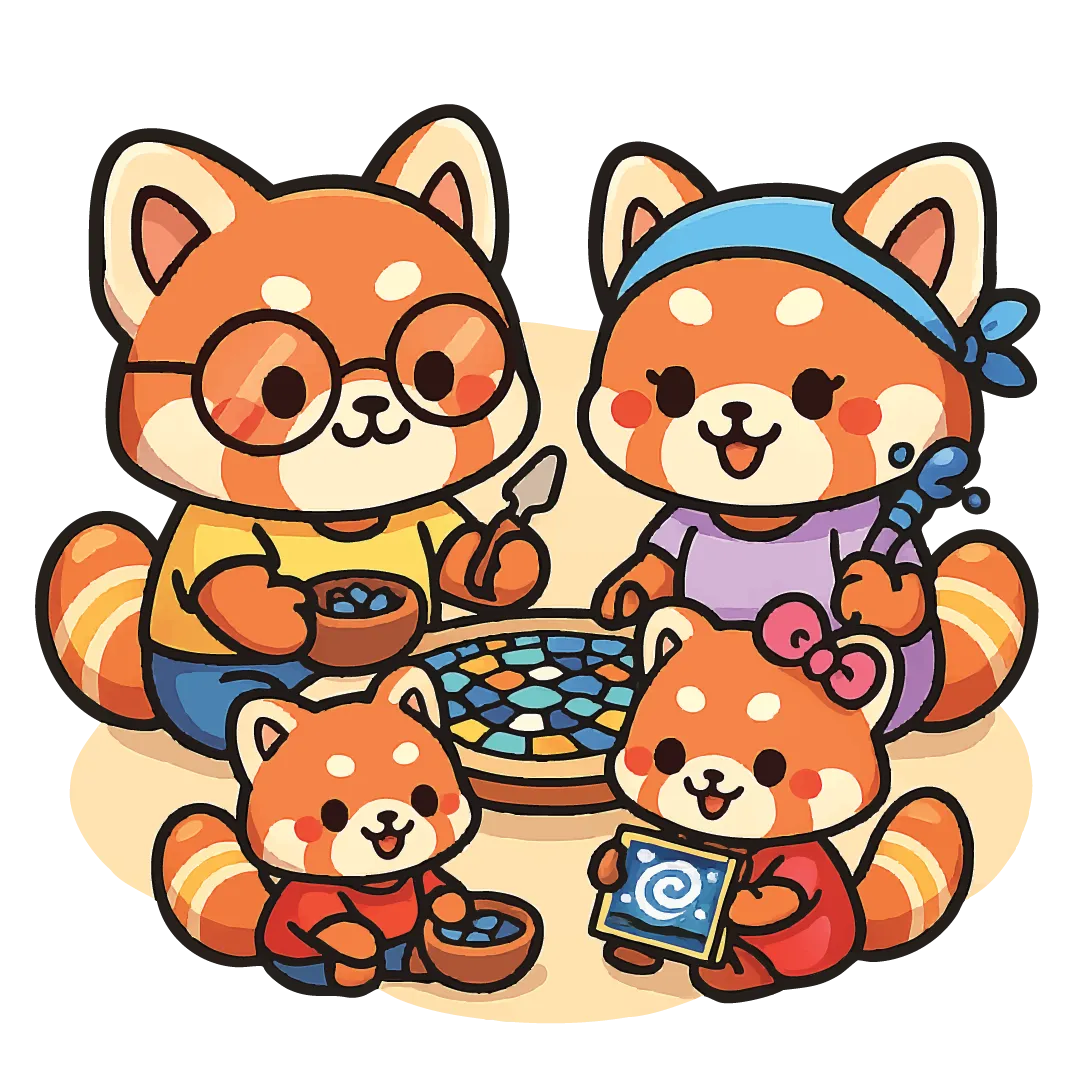
9. Participate in Art Activities Together
Kids feel more confident when parents join in the creative process. You don’t need to be an artist — your presence matters more than skill.
Try:
- Parent-child canvas painting
- Decorating bookmarks together
- Joint clay-building sessions
- Creating family art pieces
Shared creativity builds trust, connection, and joyful memories.
10. Enroll Kids in Hands-On Creative Workshops
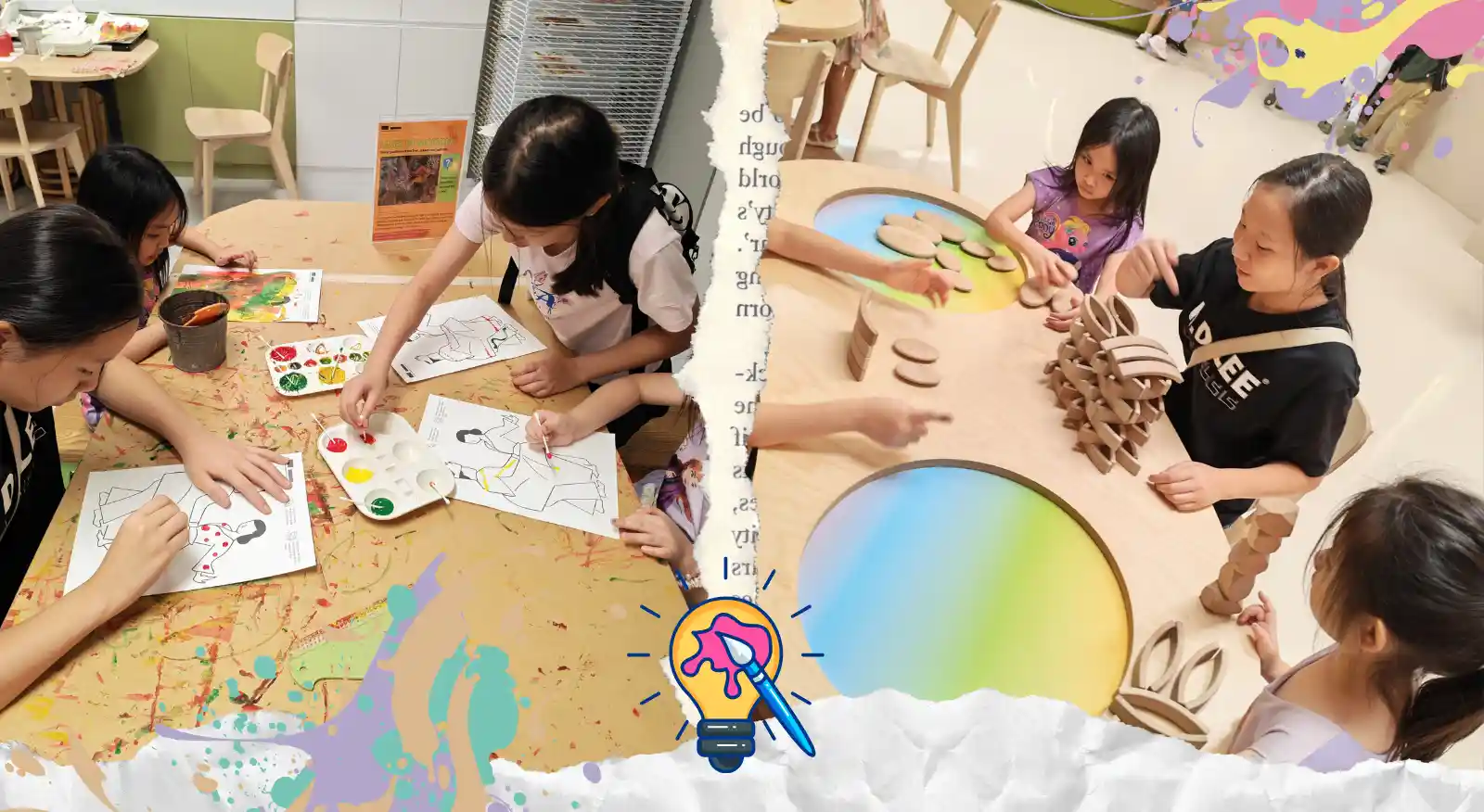
Home creativity is powerful, but guided workshops expose children to new techniques, structured learning, and social interactions.
Workshops at Art Journey Singapore help children:
- Build confidence
- Learn real art techniques
- Develop focus
- Improve motor skills
- Make friends
- Express emotions safely
Parents can support creativity by combining both — home art time + regular workshops.
Why Creative Growth Matters More in 2026
Creative children are:
- More resilient
- Better problem-solvers
- Emotionally expressive
- Confident in their abilities
- Adaptable in school and life
- Happier and more balanced
In a world shaped by rapid change, creativity is not optional — it’s essential. Parents who nurture creativity at home give their children an advantage that goes beyond academics.
Art Journey Singapore: Partnering With Parents to Build Creative Kids
At Art Journey, we believe creativity begins at home — and grows beautifully through guided practice. Our child-friendly workshops offer a safe, nurturing space for exploration, learning, and self-expression.
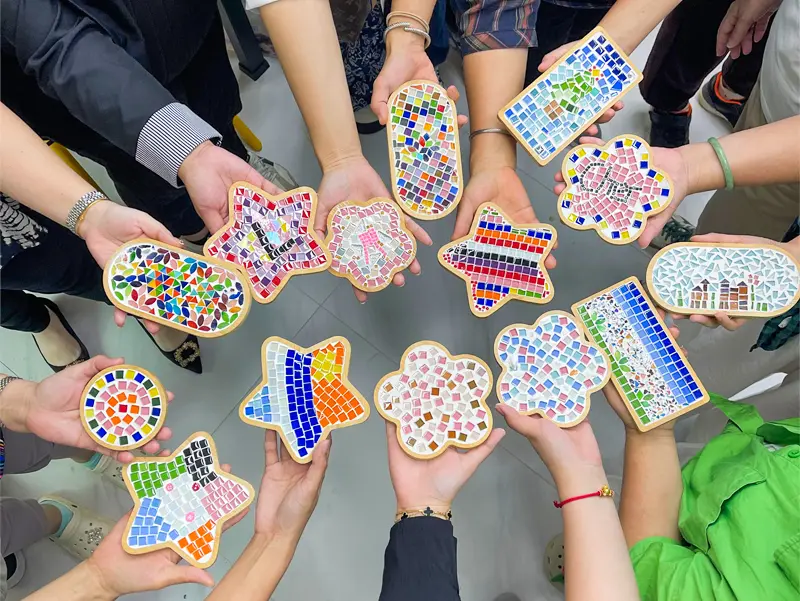
Whether your child enjoys canvas painting, mosaic art, clay activities, or themed workshops, we help them discover confidence and joy through creativity.
FAQs: Supporting Creative Growth at Home in 2026
- What age should kids start creative activities at home?
Children can begin exploring creativity from age 2–3, with structured art activities ideal from age 4 onwards.
- Do I need to spend a lot on art supplies?
No. Simple tools—paper, crayons, reusable materials—are more than enough to spark creativity.
- How often should my child do creative activities?
Aim for 1–3 times a week, even for short sessions.
- What if my child loses interest quickly?
Offer varied materials or try hands-on workshops outside the home to reintroduce excitement.
- How can I encourage creativity without making a mess?
Use washable supplies, floor mats, aprons, and limit activities to a designated space.
- Can creative activities help with school readiness?
Yes. Art improves focus, fine motor skills, confidence, emotional expression, and problem-solving — all essential for school success.