











How to Sketch for Beginners: Easy Tips to Start Drawing Today
Sketching is one of the easiest and most enjoyable ways to express creativity. Whether you’re an aspiring artist or someone just looking for a relaxing hobby, sketching can be both fun and therapeutic. The best part? You don’t need to be “good at art” to get started—all you need is the willingness to try.
In this guide, we’ll walk you through simple, beginner-friendly steps to help you start sketching with confidence. From choosing the right tools to mastering basic techniques, you’ll learn how to make sketching part of your daily routine.
What Is Sketching?
Sketching is a quick, freehand drawing technique often used to capture ideas, scenes, or objects. It’s not about creating perfect artwork—it’s about expression, exploration, and practice. Many artists use sketching as a warm-up or to build the foundation for more detailed pieces.
What You’ll Need to Start Sketching
You don’t need much to begin. Here’s what we recommend for beginners:
- Pencils – A basic HB pencil is great to start with. Later, try a range (2H to 6B) for light and dark strokes.
- Eraser – A soft rubber or kneaded eraser works well.
- Sketchbook – Choose any notebook with plain, smooth paper.
- Sharpener – Keep your pencil points clean for better control.
Optional:
- Blending stump for shading
- Ruler for straight lines or perspective sketches
Step-by-Step Guide: How to Sketch for Beginners
1. Warm Up with Lines and Shapes
Before diving into objects or portraits, practice the basics:
- Draw straight lines in different directions.
- Make circles, ovals, squares, and triangles.
- Practice curves and spirals.
This builds hand control and gets you comfortable with your pencil.
2. Start with Simple Subjects
Sketch things around you that are simple and familiar:
- A cup
- A plant
- A chair
- Fruits like apples or bananas
Begin with objects that don’t move, so you can take your time. Don’t stress about proportions—just try to capture the overall shape.
3. Use Light Lines First
Start every sketch with very light strokes. These help you:
- Plan your drawing
- Adjust shapes easily
- Avoid heavy erasing
Once you’re happy with the structure, go over it with darker lines to define the final shape.
4. Break Down Complex Objects
Everything can be broken down into basic shapes:
- A face? Oval, circles for eyes, triangle for nose.
- A car? Rectangles and circles.
Train your eyes to see shapes inside objects. This makes sketching less intimidating and more structured.
5. Add Details Gradually
Once the basic shapes are in place:
- Add small lines for details
- Sketch textures like hair or fabric folds
- Show depth with light and shadow
Take your time. Details come last—think of your sketch like building a puzzle, one piece at a time.
6. Practice Shading
Shading brings your sketches to life. Try:
- Hatching: Parallel lines
- Cross-hatching: Crisscross lines
- Blending: Smooth transitions using a tissue or blending stump
Shade where light doesn’t hit—under objects, behind features, or along curved surfaces.
7. Learn from References
Use real-life photos, your surroundings, or even YouTube tutorials to learn:
- How to draw objects in perspective
- How light affects forms
- How other artists sketch and shade
Studying references builds your visual memory and teaches you to see the world as an artist does.
Bonus Tips for Beginners
- Keep a sketchbook: Draw something every day, even simple things.
- Don’t erase too much: Mistakes are part of learning.
- Try sketching outdoors: Nature is a great teacher.
- Set a timer: Do 5-minute sketches to improve speed and loosen up.
- Take breaks: Sketching should be relaxing, not stressful.
Sketching vs Drawing: What’s the Difference?
Sketching is usually quick and loose, meant to capture an idea or impression. Drawing, on the other hand, is more detailed and polished. Think of sketching as the first draft—it doesn’t need to be perfect.
Want to Take Your Sketching Further?
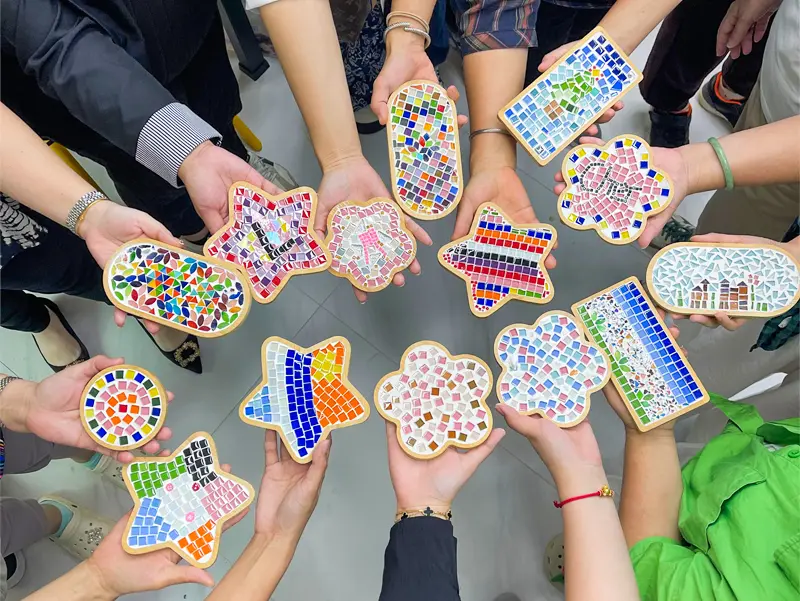
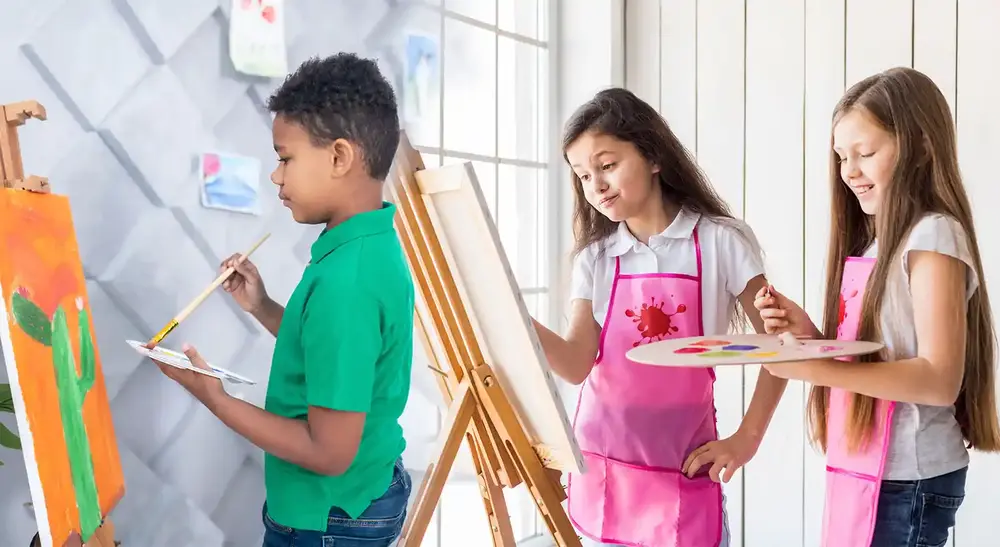
If you enjoy sketching and want to explore more, consider joining a workshop or art session. At Art Journey in Singapore, we offer creative art jamming sessions (including mosaic art jamming!) where beginners of all ages can try hands-on artistic experiences in a fun and relaxing space.
Our workshops are ideal for anyone interested in canvas art painting Singapore, with step-by-step guidance in a stress-free environment.
It’s a great way to boost confidence, learn new techniques, and connect with other creative people.