











The 2026 Guide to Creative Play for Ages 3–6
Between the ages of 3 and 6, children experience one of the most important developmental phases of their lives. In 2026, parents and educators are increasingly recognising creative play as more than just entertainment—it is a core foundation for learning, emotional growth, and social development.
Creative play allows children to explore ideas, express emotions, solve problems, and understand the world in a way that feels natural and joyful. This guide explains why creative play matters, what it looks like for ages 3–6, and how adults can support it effectively.
What Is Creative Play?
Creative play is open-ended play where children use imagination rather than fixed rules or outcomes. There is no “right” or “wrong” result.
Examples of creative play include:
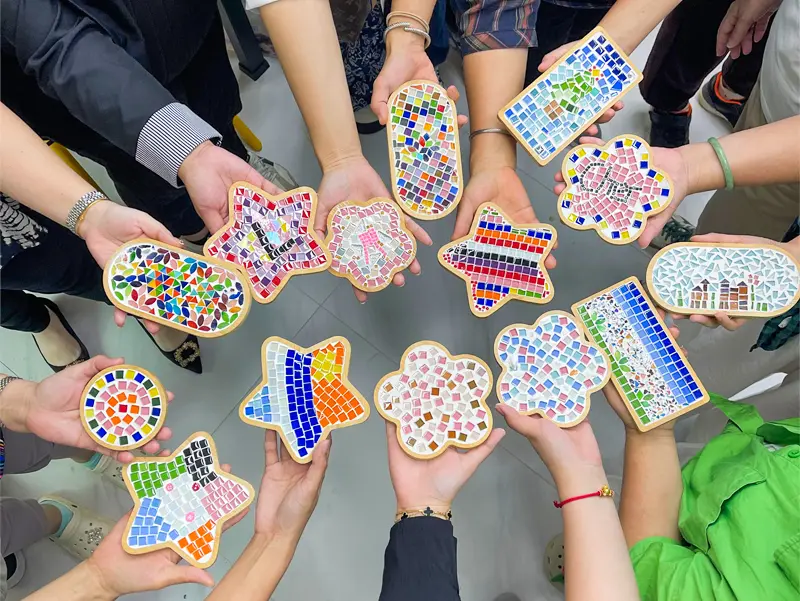
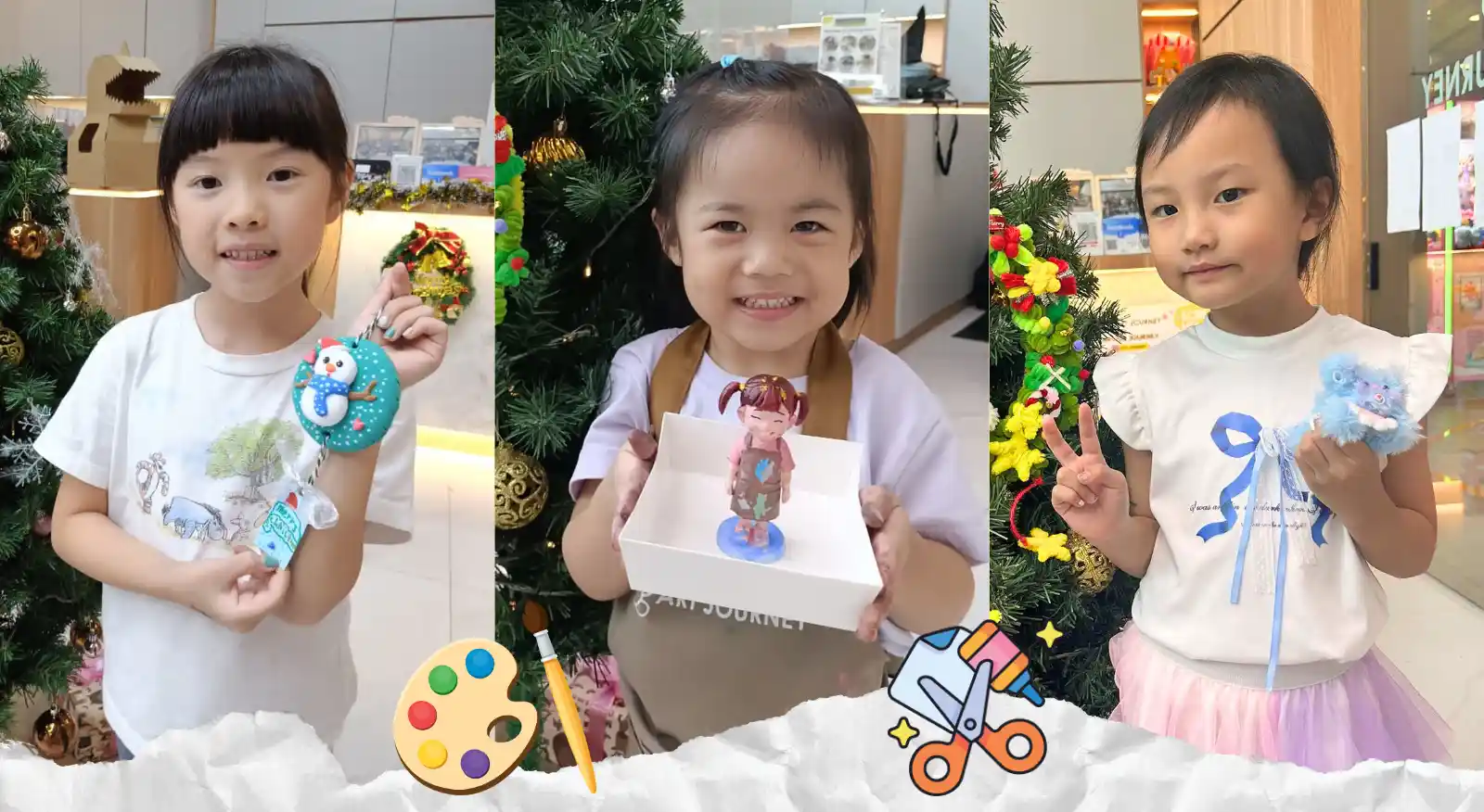
- Drawing, painting, and crafting
- Pretend play (shops, kitchens, superheroes, families)
- Building with blocks or recycled materials
- Music, movement, and dance
- Storytelling and role-playing
In 2026, creative play is increasingly valued because it supports both academic readiness and emotional intelligence.
Why Ages 3–6 Are Critical for Creative Play
Children aged 3–6 are developing rapidly in multiple areas:
- Language and communication
- Emotional awareness
- Social interaction
- Physical coordination
- Problem-solving and imagination
Creative play supports all these areas simultaneously, making it one of the most efficient and effective learning tools at this age.
Key Benefits of Creative Play for Ages 3–6
- Builds Strong Communication Skills
During creative play, children talk, explain, negotiate, and invent stories. This naturally improves vocabulary, sentence structure, and confidence in speaking.
- Encourages Emotional Expression
Children often act out feelings they cannot yet explain. Creative play helps them process emotions like fear, excitement, frustration, and joy in a safe way.
- Develops Social Skills
Group creative play teaches:
- Sharing and turn-taking
- Cooperation
- Conflict resolution
- Empathy
These skills are essential for school readiness in 2026.
- Strengthens Problem-Solving Abilities
When children build, draw, or role-play, they face challenges and find solutions independently. This builds resilience and flexible thinking.
- Improves Fine and Gross Motor Skills
Activities like painting, cutting, building, dancing, and role-play strengthen muscles needed for writing, balance, and coordination.
Creative Play vs Structured Learning in 2026
In recent years, many children have been introduced to structured learning too early. In 2026, child development experts emphasise balance.
Creative play:
- Encourages curiosity instead of pressure
- Supports learning without performance anxiety
- Builds intrinsic motivation
Children who engage in regular creative play often show better focus and confidence when transitioning to formal learning environments.
Best Types of Creative Play for Ages 3–6
Art-Based Play
- Painting with different tools
- Crafting with paper, glue, and recycled materials
- Clay and dough modelling
Imaginative Role Play
- Pretend kitchens, shops, and schools
- Dress-up and storytelling
- Puppet play
Music and Movement
- Singing
- Dancing freely
- Exploring rhythm with simple instruments
Construction and Building
- Blocks and magnetic tiles
- Cardboard boxes
- Loose parts play
Each type supports different developmental skills and keeps play engaging.
How Parents Can Support Creative Play at Home
You don’t need expensive toys or elaborate setups. In 2026, simplicity works best.
Tips for parents:
- Provide open-ended materials
- Avoid correcting or directing too much
- Allow mess within clear boundaries
- Ask open-ended questions like “Tell me about your drawing”
- Celebrate effort, not outcomes
The goal is to let children lead the play.
The Role of Creative Play in School Readiness
Creative play prepares children for school by building:
- Confidence in expressing ideas
- Ability to follow instructions naturally
- Emotional regulation
- Curiosity and love for learning
Children who play creatively often adapt better to classroom environments.
Challenges Parents Face in 2026 (And How to Overcome Them)
Limited Time
Short creative play sessions (20–30 minutes) are highly effective.
Screen Dependency
Replace passive screen time with hands-on play to engage the whole brain.
Mess Concerns
Designate a creative corner or use washable materials to manage mess.
Frequently Asked Questions (FAQ)
How much creative play does a child aged 3–6 need daily?
At least 30–60 minutes of creative play daily is recommended, spread across the day if needed.
Is creative play better than academic worksheets?
Yes. Creative play builds foundational skills that support long-term academic success more effectively at this age.
What if my child prefers structured activities?
You can gently introduce creative play alongside structured tasks to maintain balance.
Does creative play help shy children?
Absolutely. Creative play provides a low-pressure way for shy children to express themselves and build confidence.
Can creative play be done in small spaces?
Yes. Many creative activities require minimal space and simple materials.