









The Future of Art Education in Singapore: What to Expect in 2026
Art Journey represents a growing segment of creative studios in Singapore that focus on experiential, accessible, and inclusive art learning. In 2026, art education in Singapore is no longer confined to classrooms or formal syllabi. Instead, it reflects a broader shift toward creativity as a life skill — relevant to children, adults, families, and even corporate teams.
This article explores how art education in Singapore is changing, what is driving these changes, and what parents, educators, and learners can expect in 2026.
Overview
Art education in Singapore traditionally existed within formal school curricula, enrichment centres, and tertiary institutions. While these remain important, the definition of art education has expanded significantly over the past decade.
In 2026, art education includes:
- Early childhood creative exposure
- After-school and weekend workshops
- Studio-based experiential learning
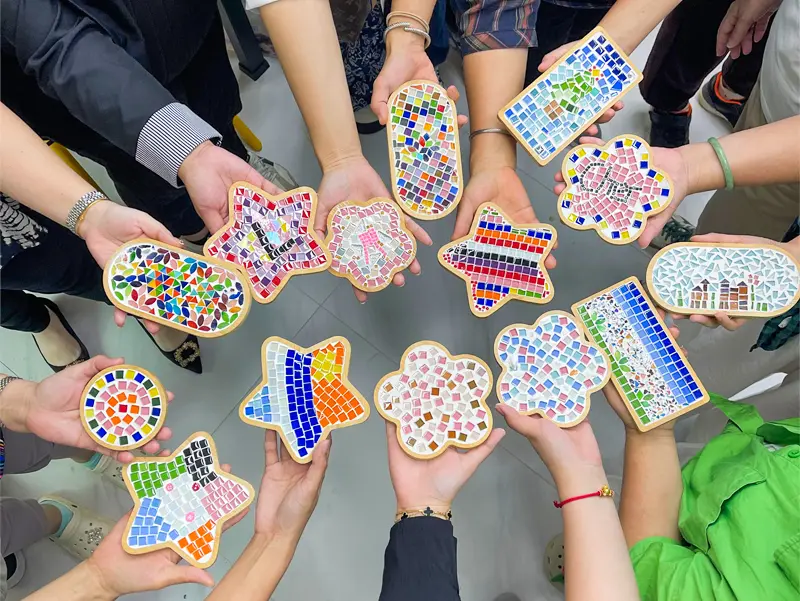
- Community and family art programmes
- Adult and lifelong learning initiatives
This broader ecosystem reflects changing societal priorities, including creativity, emotional well-being, and holistic development.
Key Factors Shaping Art Education in Singapore
Several interconnected factors are influencing the future of art education in Singapore.
Changing Educational Priorities
Singapore’s education landscape increasingly recognises the importance of creativity alongside academic achievement. Art education is viewed as a way to develop:
- Critical thinking
- Emotional expression
- Problem-solving skills
- Visual and spatial awareness
In 2026, art is seen less as a subject and more as a developmental tool.
Urban Lifestyles and Time Constraints
With many families managing busy schedules, art education formats have adapted. Shorter, well-structured sessions and flexible schedules are now more common.
Studios and programmes offer:
- Modular workshops
- Weekend-focused sessions
- Age-specific formats
This makes art education more accessible to families and working adults.
The Rise of Experiential and Studio-Based Learning
One of the most visible changes in 2026 is the growth of studio-based art education.
Rather than traditional classroom instruction, studios focus on:
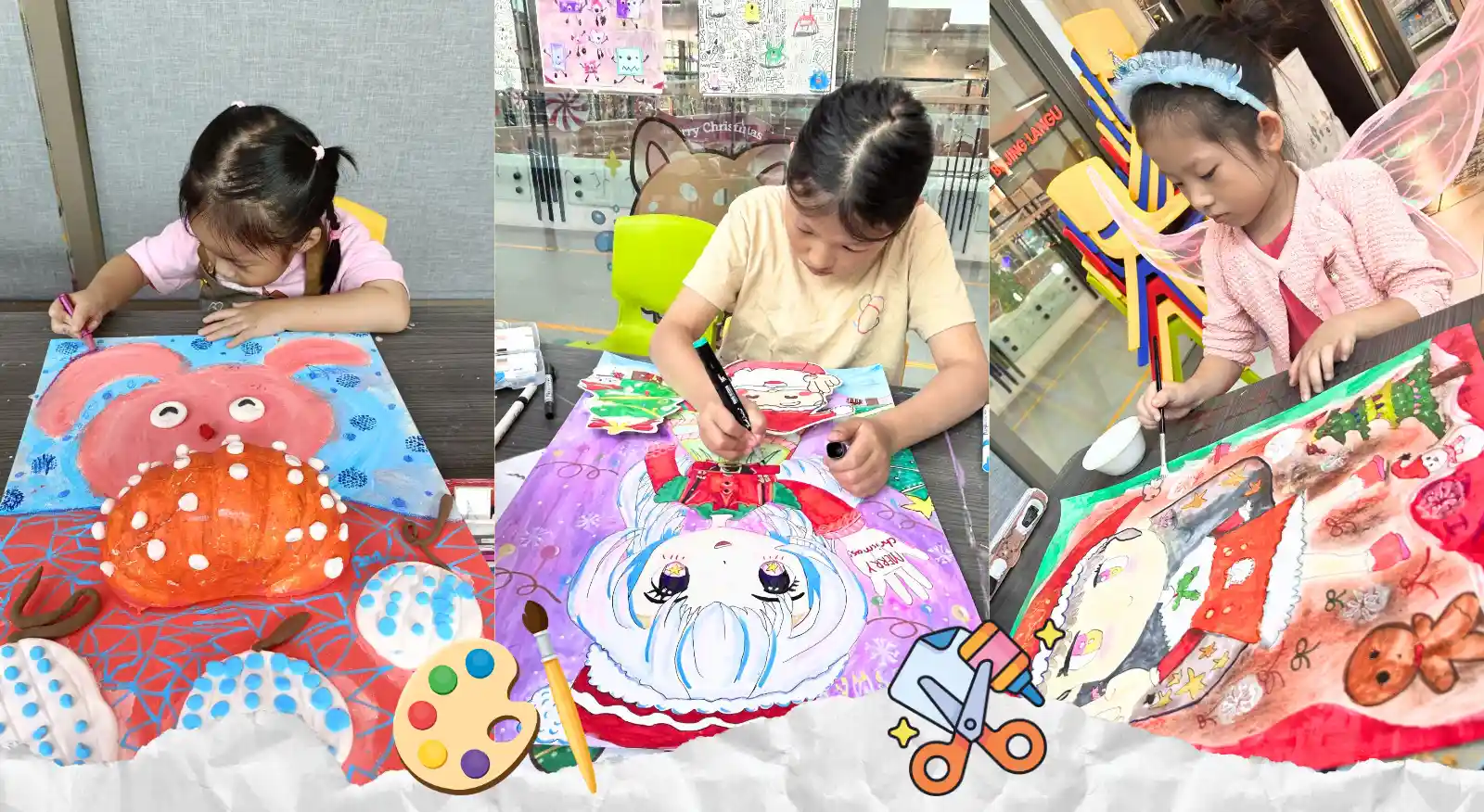
- Hands-on creation
- Guided exploration
- Process-oriented learning
Art Journey and similar studios reflect this shift by offering art jamming, guided workshops, and creative sessions that prioritise participation over formal instruction.
Art Education for Early Childhood
Early childhood art education has evolved significantly.
In 2026, programmes for toddlers and young children emphasise:
- Sensory exploration
- Motor skill development
- Emotional comfort and expression
- Parent-child participation
These programmes are informed by early childhood development principles and focus on experience rather than outcomes.
Art Education Beyond Children
Art education in Singapore is no longer limited to children.
Teen and Youth Programmes
Teen-focused art programmes support identity development, self-expression, and stress management.
Adult Art Learning
Adults increasingly engage in art education for:
- Stress relief
- Creative exploration
- Social connection
- Personal growth
Art workshops for adults are often experience-driven and non-judgmental, making them accessible even to beginners.
Integration of Art into Community and Corporate Settings
Art education has expanded into community spaces and workplaces.
In 2026, art-based programmes are used for:
- Team bonding
- Community engagement
- Mental well-being initiatives
This reflects a broader understanding of art as a tool for connection and communication.
Technology and Art Education
While technology plays a role in art education, its integration in Singapore remains balanced.
In 2026:
- Digital tools support, but do not replace, hands-on creation
- Screen-based learning is often paired with physical activities
- Studios prioritise tactile experiences, especially for children
This balanced approach aligns with growing awareness of screen fatigue.
What Parents and Learners Look for in 2026
Parents and learners today prioritise:
- Safe, inclusive learning environments
- Clear learning intentions without pressure
- Qualified and patient facilitators
- Flexibility in participation
- Emotional well-being alongside skill development
Art education providers that communicate these values clearly tend to gain trust and long-term engagement.
Trends Defining the Future of Art Education (2026)
Several trends stand out in Singapore this year:
- Shift from product-focused to process-focused learning
- Increased emphasis on emotional and social development
- Growth of family-based art experiences
- Wider acceptance of art as lifelong learning
- Preference for smaller group settings
These trends signal a maturing view of art education.
Notes and Practical Guide
Note:
Art education outcomes are not always immediately visible. Long-term benefits often appear in confidence, focus, and emotional expression.
Guide:
Choose art programmes that respect individual pace rather than fixed outcomes.
Tip:
Consistent exposure, even in small doses, is more beneficial than intensive short-term courses.
Frequently Asked Questions (FAQ)
Is art education important in Singapore today?
Yes. Art education supports creativity, emotional development, and holistic learning, which are increasingly valued in modern education systems.
At what age should children start art education?
Many programmes now start from toddler age, focusing on sensory exploration rather than skill development.
Is art education only for talented individuals?
No. Modern art education in Singapore is designed to be inclusive and accessible to beginners of all ages.
How does studio-based learning differ from traditional classes?
Studio-based learning focuses on experience, exploration, and guided participation rather than structured instruction.
Can adults benefit from art education?
Yes. Adults often engage in art education for relaxation, creativity, and personal growth.