





Why Art Classes Will Be Even More Important for Kids in 2026
As Singapore’s education landscape evolves, parents and educators are recognising that creativity is not just a “nice-to-have”—it is a necessity. With technology advancing rapidly, learning environments becoming more digital, and children facing increasing emotional and academic pressure, art classes will play an even more vital role in 2026.
Art is no longer limited to crayons and colouring. Today, it is a powerful developmental tool that strengthens emotional health, creativity, focus, and resilience. At Art Journey Singapore, we see every day how art classes empower children to think differently, communicate confidently, and handle challenges with a calm and creative mindset.
Here’s why art classes will become even more important for kids in 2026.
1. The Future Demands Creativity and Innovation
With AI, automation, and digital tools shaping the future, the world needs thinkers who can imagine, design, and innovate. Creativity has become one of the most in-demand skills globally, and children who develop it early will be better prepared for the careers of tomorrow.
Art classes train kids to:
- Think outside the box
- Experiment with ideas
- Explore original solutions
- Develop curiosity and imagination
In 2026, creativity will no longer be optional—it will be essential.
2. Art Helps Kids Manage Stress in a Fast-Paced World
Children today experience more stress than ever before—from school pressure to digital overstimulation. Art gives them a calming escape and a healthy emotional outlet.
Art classes help kids:
- Reduce anxiety
- Relax through hands-on activities
- Express emotions safely
- Build emotional resilience
With schools emphasising social-emotional learning, art will be a primary tool supporting children’s mental well-being in 2026.
3. Art Strengthens Focus in a Digital-Heavy Environment
Screens are an unavoidable part of children’s lives. While technology offers benefits, it also reduces attention span and increases distraction.
Art counteracts this by encouraging:
- Mindful focus
- Slow, deliberate actions
- Patience
- Deep concentration
In 2026, parents will increasingly rely on art classes to help children balance their digital exposure with hands-on learning.
4. Hands-On Activities Build Brain Development
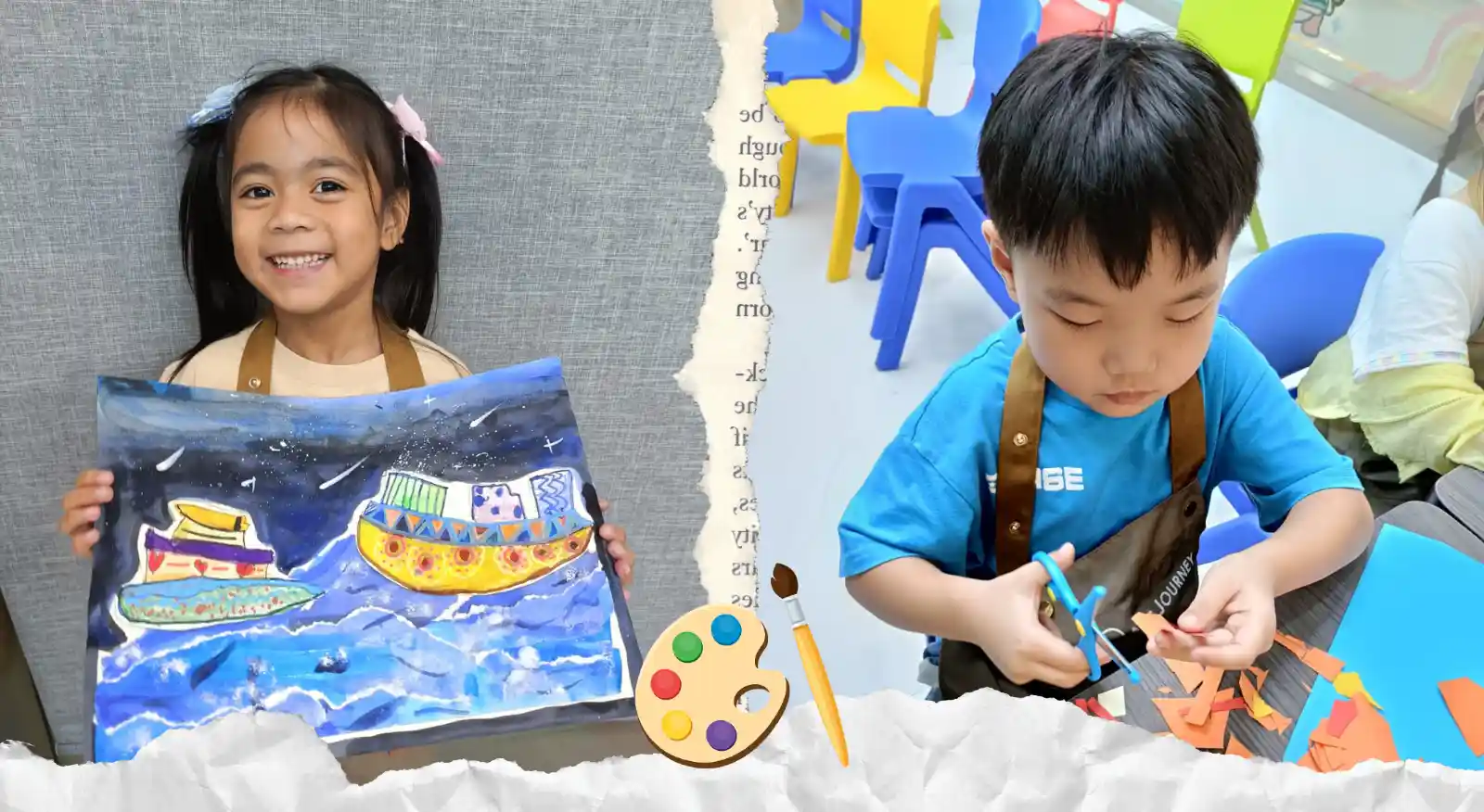
Young brains develop best through tactile, sensory-rich experiences. Art provides exactly that—cutting, painting, moulding clay, using textures, and creating patterns.
These activities support:
- Cognitive development
- Fine motor skills
- Hand-eye coordination
- Spatial awareness
- Problem-solving skills
As education becomes more screen-based, the importance of hands-on creative learning will grow significantly.
5. Art Classes Support Emotional Intelligence (EQ)
EQ is now considered just as important as IQ. Kids with strong emotional intelligence can:
- Understand their feelings
- Show empathy
- Work well with others
- Solve conflicts calmly
Art helps children explore emotions through colours, shapes, textures, and storytelling—building EQ in a natural, enjoyable way.
In 2026, as schools and parents prioritise emotional growth, art classes will become essential tools for developing emotionally healthy children.
6. Creative Learning Improves Academic Performance
Studies have shown that children who engage in art regularly perform better academically. Creating art enhances the areas of the brain responsible for:
- Focus
- Memory
- Analytical thinking
- Literacy
- Mathematical reasoning
When kids learn to plan a drawing or analyse shapes in art, they develop skills that transfer to subjects like maths, science, and writing.
As parents seek balanced enrichment options in 2026, art classes will become a popular supplement to academic learning.
7. Art Encourages Self-Expression and Confidence
Children need spaces where their voices matter. Art gives them the freedom to express ideas, emotions, and stories without judgment.
Regular art practice helps kids:
- Build confidence
- Trust their creativity
- Feel proud of their achievements
- Find their unique artistic voice
In 2026, with self-esteem issues rising among young children, art classes will serve as a powerful source of confidence and personal growth.
8. Art Supports Social Skills and Collaboration
Many art workshops encourage teamwork—whether children are sharing materials, discussing ideas, or working on group projects.
Art helps kids learn to:
- Communicate
- Listen
- Cooperate
- Respect different perspectives
These social skills are essential for school, friendships, and future work environments.
9. Creative Workshops Offer Meaningful Breaks from Rigid Schedules
Singaporean children often have tightly packed academic schedules. Art classes give them a refreshing mental break that balances structure with freedom.
In 2026, parents will increasingly seek activities that are:
- Enjoyable
- Relaxing
- Low pressure
- Emotionally fulfilling
Art checks all these boxes.
10. Parents Want Quality Enrichment With Real Developmental Value
Many enrichment programmes focus heavily on academics, but parents in 2026 will look for holistic learning experiences that nurture the “whole child.”
Art provides:
- Creativity
- Emotional well-being
- Social growth
- Cognitive development
- Hands-on exploration
This makes art classes one of the most well-rounded enrichment choices for the new year.
Art Journey Singapore: Preparing Kids for a Creative Future
At Art Journey, children don’t just paint—they discover confidence, imagination, and emotional balance. Our workshops are designed to meet the growing developmental needs of children in a dynamic, ever-changing world.
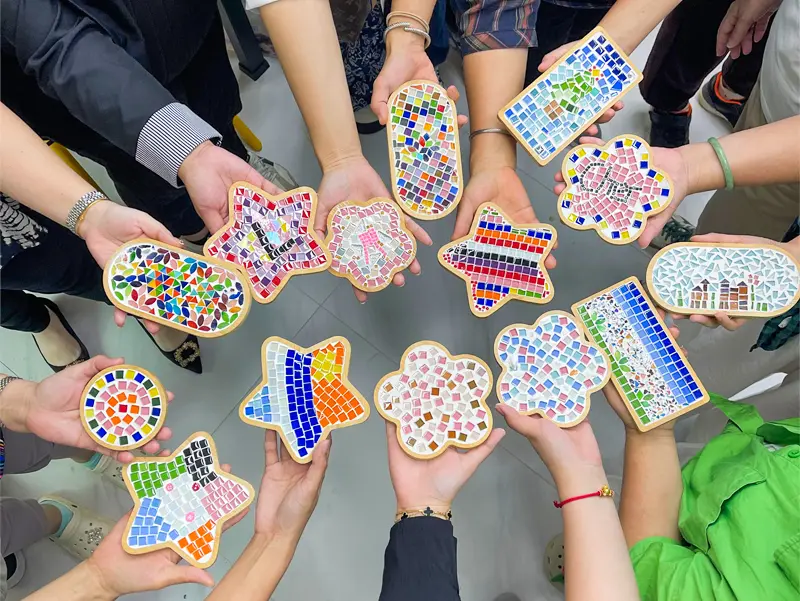
With mosaic art, canvas painting, mixed media, clay work, holiday camps, and parent-child sessions, Art Journey provides meaningful, joyful creative experiences for children aged 4–12.
FAQs: Why Art Classes Matter in 2026
- Why are art classes becoming more important in 2026?
Because creativity, emotional intelligence, and hands-on learning are essential skills for the future—skills that art develops naturally.
- Will art help my child in school?
Yes. Art improves focus, memory, critical thinking, and problem-solving, which support academic performance.
- Are art classes suitable for all kids, even those who aren’t “artistic”?
Absolutely. Art is about exploration, not perfection. Every child benefits from creative expression.
- How often should my child attend art classes?
Once or twice a week is ideal for consistent creative growth and emotional development.
- Is art important for emotional health?
Yes. Art offers a healthy outlet for stress, anxiety, and emotions, helping children build resilience.
- What makes Art Journey a good choice for 2026?
Art Journey offers child-friendly, joyful, and development-focused workshops that blend creativity with emotional and cognitive growth.