








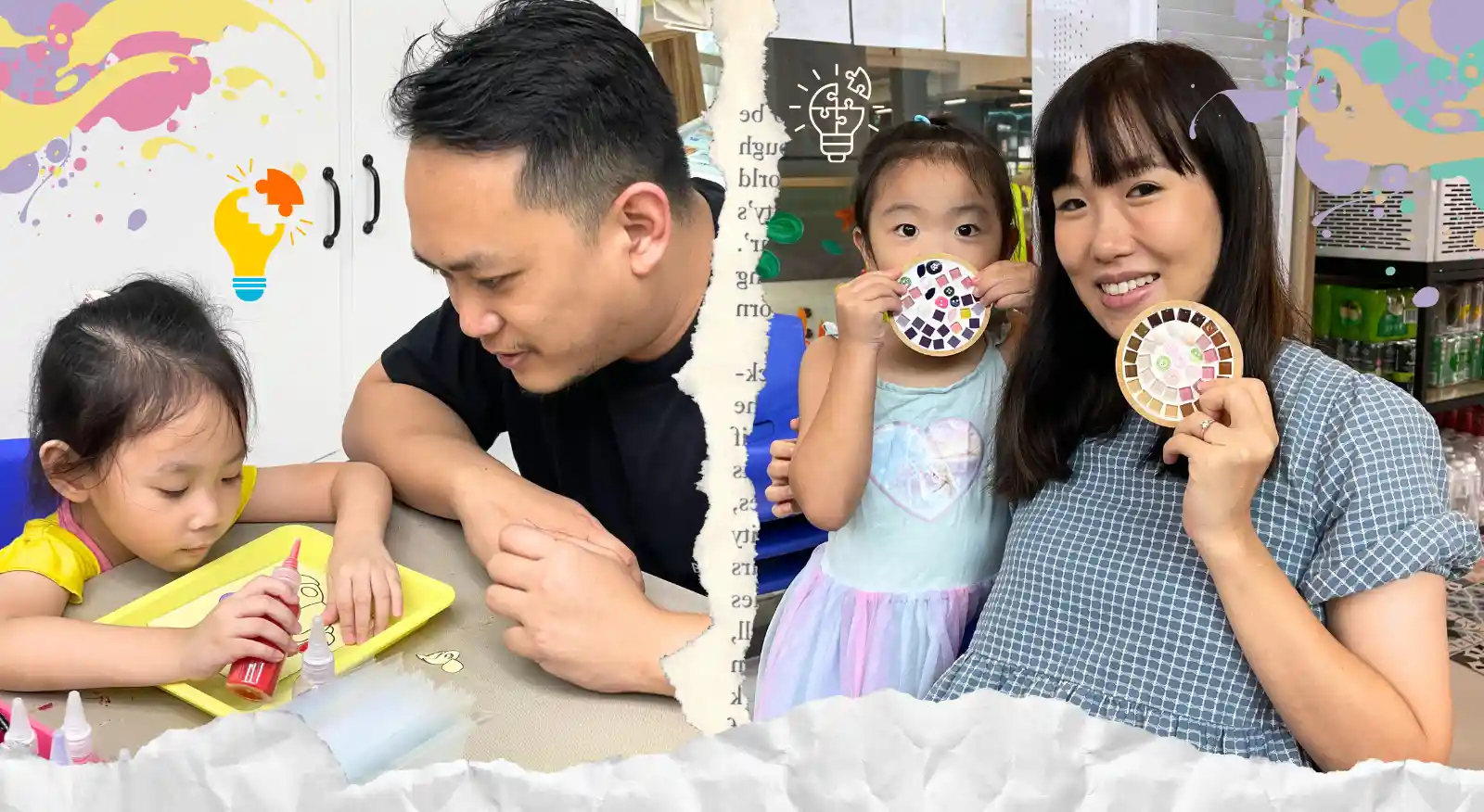
Why Art Is the Key to Your Child’s Problem-Solving Skills
Problem-solving is one of the most important life skills a child can develop. Whether it’s figuring out a tricky math question, handling social challenges, or adapting to new situations, children who can think critically and creatively tend to thrive.
While many parents associate problem-solving with academic subjects like math or science, one powerful tool is often overlooked — art. Art naturally trains children to think, experiment, adapt, and find solutions in a way that feels fun rather than forced.
At Art Journey Singapore, we see how children become more confident thinkers through painting, mosaic art, clay work, and creative workshops. Here’s why art plays such a crucial role in building your child’s problem-solving skills.
1. Art Encourages Children to Think Independently
In art, there is no single “correct” answer. Children decide what to draw, which colours to use, and how to shape their creations. These choices encourage independent thinking.
When children ask themselves questions like:
- “What should I do next?”
- “How can I make this look better?”
- “What happens if I try something new?”
…they are actively practising problem-solving. This independence carries over into schoolwork and everyday decision-making.
2. Art Teaches Trial, Error, and Adaptation
One of the most valuable lessons art teaches is that mistakes are part of learning. Paint may drip, colours may mix unexpectedly, or a shape may not turn out as planned.
Instead of giving up, children learn to:
- Adjust their approach
- Fix or redesign their artwork
- Turn mistakes into creative ideas
This builds resilience and teaches kids that problems are not obstacles — they’re opportunities to explore solutions.
3. Art Develops Critical Thinking Through Creative Choices
Every art project involves problem-solving at multiple stages. Children must decide:
- How to plan their artwork
- Which materials to use
- How to combine colours and textures
- How to complete their piece within time
These decisions sharpen critical thinking skills. Over time, children become more confident analysing situations and making thoughtful choices.
4. Art Improves Focus and Patience
Problem-solving requires concentration. Art naturally trains children to focus on one task at a time, especially in activities like mosaic art or detailed painting.
Through art, children learn to:
- Slow down
- Pay attention to details
- Complete tasks step by step
This patience is essential for solving academic problems and managing complex situations calmly.
5. Art Builds Spatial and Logical Thinking
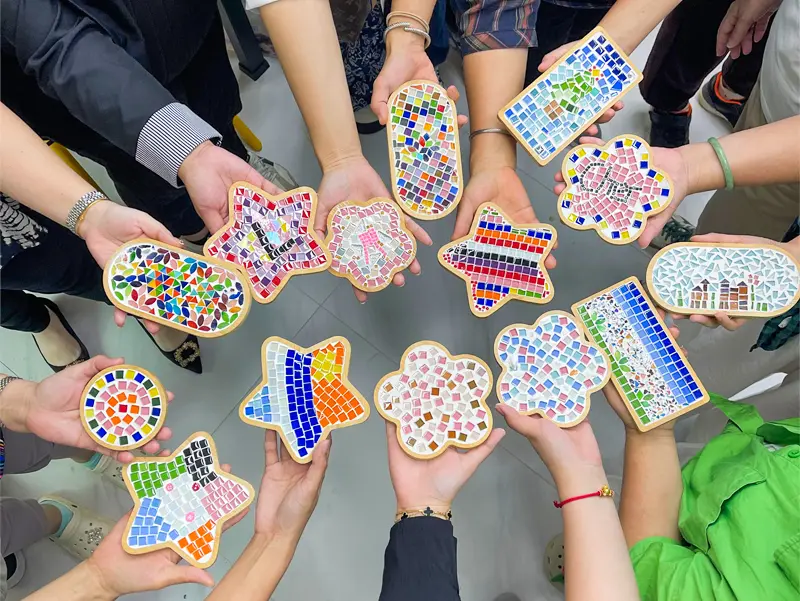
Activities such as mosaic art, collage-making, and 3D clay modelling require children to understand shapes, patterns, balance, and structure.
These skills support:
- Mathematical reasoning
- Visual-spatial awareness
- Logical sequencing
When kids learn how pieces fit together visually, they become better at understanding abstract problems in subjects like math and science.
6. Art Strengthens Emotional Problem-Solving
Not all problems are academic. Children also face emotional challenges — frustration, disappointment, or uncertainty. Art gives them a safe outlet to express and process these feelings.
By expressing emotions through colours and shapes, children learn to:
- Recognise their feelings
- Calm themselves
- Think more clearly
Emotional regulation is a key part of effective problem-solving, especially in social situations.
7. Art Encourages Flexible Thinking
In art, plans often change — and that’s a good thing. A child may start with one idea and discover a better one halfway through.
This flexibility helps children:
- Adapt to new situations
- Accept alternative solutions
- Stay open-minded
Flexible thinkers are better problem-solvers because they don’t get stuck on one approach.
8. Group Art Builds Collaborative Problem-Solving Skills
In group art workshops, children work alongside peers. They share materials, exchange ideas, and sometimes collaborate on projects.
These experiences teach kids how to:
- Communicate ideas clearly
- Listen to others
- Compromise and cooperate
- Solve problems together
Collaboration is an essential real-world problem-solving skill — and art teaches it naturally.
9. Art Builds Confidence to Tackle Challenges
Completing an art project gives children a sense of achievement. When they see that they can create something meaningful from scratch, their confidence grows.
Confident children are more likely to:
- Try new solutions
- Ask questions
- Persist through challenges
- Believe in their abilities
This mindset is essential for effective problem-solving in school and life.
10. Art Makes Problem-Solving Enjoyable
Perhaps the most important benefit is that art makes problem-solving fun. Children don’t feel pressure or fear of failure — they feel curiosity and excitement.
When learning feels enjoyable, children are more engaged and willing to challenge themselves. This positive association with problem-solving stays with them long-term.
How Art Journey Singapore Supports Problem-Solving Through Art
At Art Journey Singapore, our workshops are designed to nurture creativity while strengthening thinking skills. Through hands-on activities like canvas painting, mosaic art, clay modelling, and mixed media, children learn to explore ideas, solve creative challenges, and express themselves confidently.
Our programmes help children:
- Think independently
- Stay focused
- Build emotional resilience
- Collaborate with peers
- Develop confidence through creation
Art becomes a natural training ground for problem-solving.
FAQs: Art and Problem-Solving Skills in Children
- How does art help children solve problems better?
Art encourages independent thinking, experimentation, and adaptability — all key components of problem-solving.
- Is art useful for children who struggle academically?
Yes. Art builds confidence, focus, and thinking skills that often translate into better academic performance.
- At what age does art start helping problem-solving skills?
Even toddlers begin developing problem-solving skills through simple art play. Structured workshops are ideal from age 4 onwards.
- What type of art is best for problem-solving development?
Mosaic art, painting, clay work, and mixed media projects are excellent because they involve planning, decision-making, and adaptation.
- How often should my child engage in art activities?
Once or twice a week is ideal for consistent development, combined with creative play at home.
- Why choose Art Journey for creative learning?
Art Journey provides guided, hands-on workshops that blend creativity with cognitive and emotional growth in a supportive environment.