





Why Creativity Will Be the Most Valuable Skill for Kids in 2026
The world is changing faster than ever before. Technology is advancing rapidly, traditional jobs are evolving, and new roles are emerging that didn’t exist just a few years ago. As we approach 2026, parents and educators are beginning to ask an important question: What skills will truly prepare children for the future?
While academic knowledge will always matter, one skill is rising above the rest — creativity. Creativity is no longer limited to the arts; it is the foundation of problem-solving, innovation, emotional resilience, and adaptability. In Singapore’s competitive and fast-paced environment, creativity will be the skill that helps children stand out and thrive.
At Art Journey Singapore, we see daily how creative experiences shape confident, curious, and capable children. Here’s why creativity will be the most valuable skill for kids in 2026 — and how parents can nurture it.
1. The Future Will Reward Original Thinking, Not Memorisation
In the past, success often depended on memorising information and following instructions. In 2026, information is everywhere — what matters is how children use it.
Creative thinkers can:
- Generate new ideas
- Look at problems from different angles
- Find unique solutions
- Innovate rather than repeat
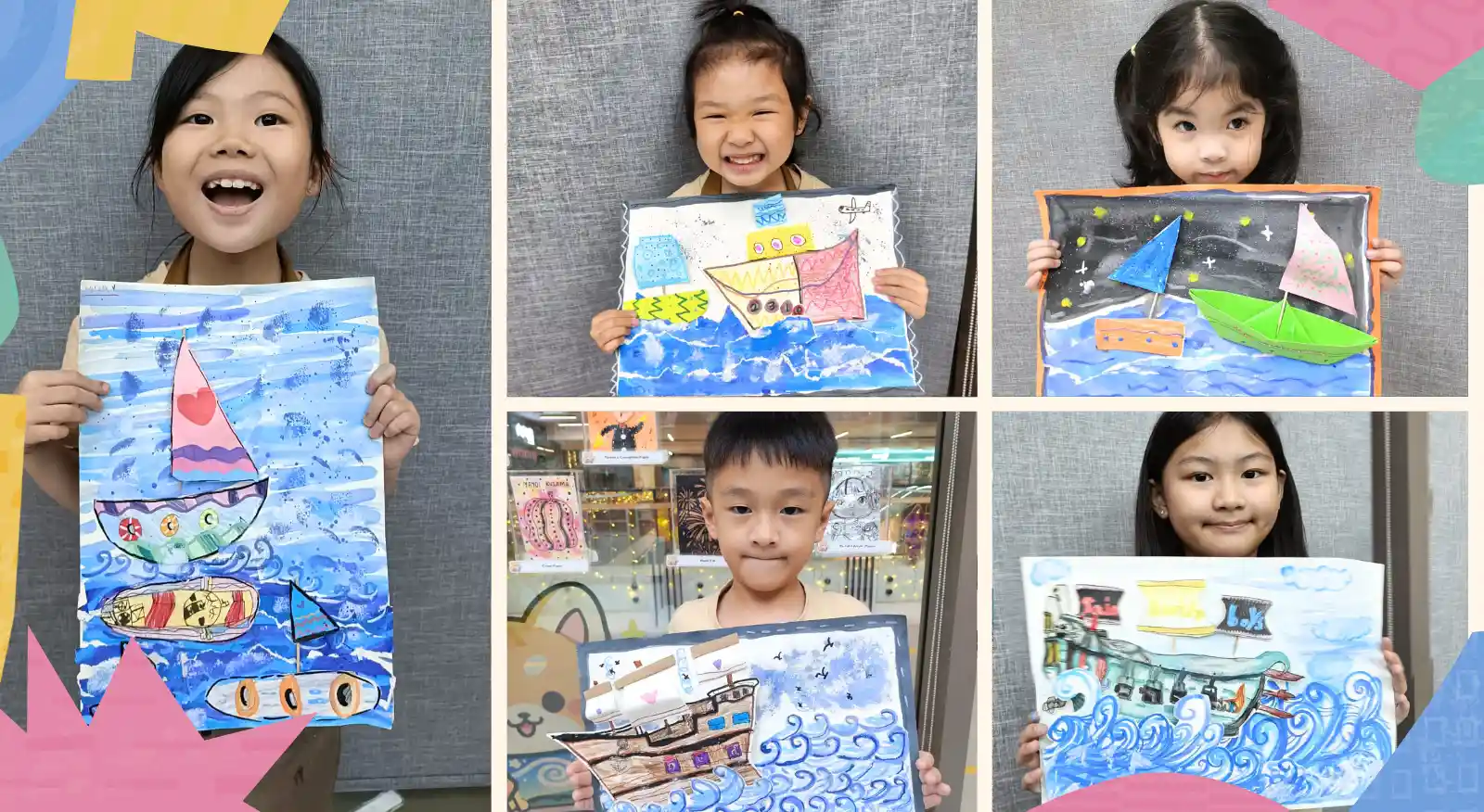
Art activities naturally encourage original thinking. When children paint, design, or build, they practise creating something new instead of copying an answer.
2. Creativity Builds Strong Problem-Solving Skills
Every creative activity is a problem-solving exercise. Children decide what to create, how to create it, and how to adapt when things don’t go as planned.
Through creative experiences, kids learn to:
- Analyse situations
- Experiment with solutions
- Learn from mistakes
- Stay flexible and persistent
These skills are essential not only in school, but also in real-life situations where answers are not always clear.
3. Creativity Supports Emotional Intelligence and Well-Being
In 2026, emotional intelligence will be just as important as academic intelligence. Children must learn how to understand their emotions, manage stress, and empathise with others.
Creative activities help children:
- Express emotions safely
- Process feelings through colours and shapes
- Reduce anxiety and overwhelm
- Build emotional awareness
Art gives children a non-verbal language for emotions — especially important for kids who struggle to express themselves with words.
4. Creative Kids Adapt Better to Change
Change is unavoidable. New technologies, learning methods, and social environments will continue to emerge. Children who are creative tend to adapt more easily.
Creativity teaches kids to:
- Accept uncertainty
- Adjust plans when needed
- Stay open-minded
- Embrace new ideas
In 2026, adaptability will be a key life skill — and creativity is what makes adaptability possible.
5. Creativity Builds Confidence and Self-Belief
Children gain confidence when they create something from their own ideas. Completing an artwork or project gives them a sense of achievement that is deeply personal.
Creative activities help kids:
- Trust their ideas
- Feel proud of their efforts
- Overcome fear of making mistakes
- Develop a strong sense of identity
Confident children are more willing to take on challenges, both academically and socially.
6. Creative Learning Improves Focus in a Digital World
With screens becoming a constant presence, many children struggle with attention and focus. Creative activities offer a healthy balance by engaging children in hands-on, mindful tasks.
Art helps children:
- Slow down
- Concentrate on details
- Stay present in the moment
- Build patience
In 2026, the ability to focus deeply will be a powerful advantage.
7. Creativity Enhances Communication Skills
Creativity is also about communication — expressing ideas clearly and meaningfully. Through art, children learn to share thoughts visually and verbally.
Creative expression improves:
- Storytelling abilities
- Vocabulary and language skills
- Confidence in sharing ideas
- Understanding different perspectives
These communication skills are vital for collaboration and leadership in the future.
8. Creative Experiences Encourage Collaboration and Teamwork
Many creative activities involve working with others — sharing materials, discussing ideas, and collaborating on group projects.
Through collaborative creativity, kids learn:
- Cooperation
- Respect for others’ ideas
- Problem-solving as a team
- Empathy and patience
Teamwork will be essential in future workplaces, and creativity teaches it naturally.
9. Creativity Supports Academic Success, Not Replaces It
Some parents worry that focusing on creativity might take time away from academics. In reality, creativity strengthens academic performance.
Creative children often show:
- Better concentration
- Improved memory
- Stronger problem-solving skills
- Higher motivation to learn
Art-based learning complements academic education by developing the brain in a holistic way.
10. Creativity Prepares Kids for Jobs That Don’t Exist Yet
Many of the careers children will enter in the future haven’t even been invented. The best preparation is not specific knowledge, but the ability to think creatively.
Creative children grow into adults who can:
- Innovate
- Lead change
- Learn continuously
- Navigate uncertainty
In 2026 and beyond, creativity will be the skill that future-proofs your child.
How Parents Can Nurture Creativity in 2026
Parents don’t need to be artists to support creativity. Simple actions make a big difference:
- Encourage open-ended play
- Provide art materials at home
- Praise effort, not just results
- Allow mistakes and experimentation
- Limit excessive screen time
- Enrol children in hands-on creative workshops
Combining home creativity with guided experiences helps children grow confidently.
Art Journey Singapore: Helping Kids Build Creativity for the Future
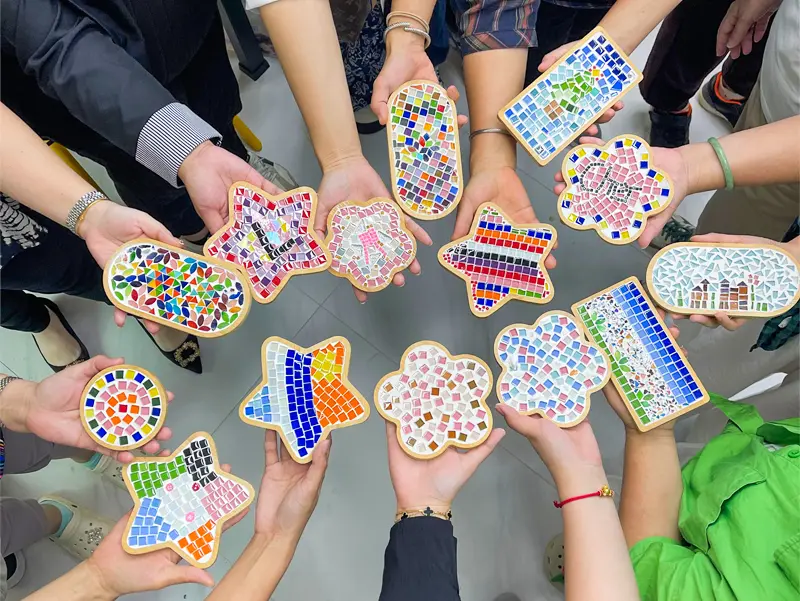
At Art Journey Singapore, creativity is at the heart of everything we do. Through canvas painting, mosaic art, clay workshops, art jamming, and themed programmes, children develop creativity in a joyful, pressure-free environment.
Our workshops help children:
- Express themselves freely
- Build confidence
- Strengthen focus and patience
- Develop emotional intelligence
- Learn through hands-on exploration
Creativity becomes a life skill — not just an activity.
FAQs: Creativity and Kids in 2026
- Why is creativity more important now than before?
Because the future values innovation, adaptability, and problem-solving over memorisation.
- Can creativity be taught, or is it natural?
Creativity can be nurtured and strengthened through practice, encouragement, and exposure.
- At what age should children start creative activities?
Children can start as early as 3–4 years old, with creativity growing through regular engagement.
- Does creativity help with school performance?
Yes. Creative children often show better focus, confidence, and problem-solving skills.
- How often should kids engage in creative activities?
At least once or twice a week, along with free creative play at home.
- Why choose Art Journey Singapore for creative learning?
Art Journey offers meaningful, hands-on art experiences that build creativity, confidence, and emotional well-being in a child-friendly environment.