






Why Hands-On Learning Will Dominate Kids’ Enrichment in 2026
As Singapore moves toward a more innovation-driven future, the way children learn is rapidly shifting. Parents and educators are realising that worksheets and screens alone cannot prepare kids for a world that values creativity, problem-solving, emotional intelligence, and adaptability. This is why hands-on learning—learning through active participation, exploration, and tactile experiences—will dominate children’s enrichment in 2026.
From art workshops to sensory play and creative camps, hands-on learning gives children something digital activities cannot: real-world engagement, emotional connection, and meaningful growth.
At Art Journey Singapore, hands-on learning is at the heart of every workshop, helping children build skills that truly matter. Here’s why this trend will define enrichment choices in 2026.
1. Kids Learn Better Through Doing, Not Watching
Research consistently shows that children retain knowledge far more effectively when they actively participate rather than passively observe.
Hands-on activities such as painting, mosaic making, clay modelling, and craft building help kids:
- Understand concepts more deeply
- Strengthen memory
- Stay engaged longer
- Learn through trial and error
- Experience meaningful outcomes
In 2026, enrichment centres will prioritise “learning by doing” as parents look for programmes that produce real developmental results.
2. Hands-On Learning Improves Focus in a Distracted Generation
Children today are surrounded by screens, fast content, and constant notifications that reduce attention span. Hands-on creative activities provide a refreshing balance.
When kids paint or craft, they:
- Slow down
- Focus on details
- Develop patience
- Practice mindful engagement
- Learn to complete tasks without distractions
Parents in 2026 will turn to enrichment that helps children build longer, healthier attention spans.
3. It Strengthens Fine Motor Skills Needed for Primary School
Fine motor development is essential for tasks like writing, cutting, using tools, and handling school materials. Hands-on learning builds these foundational skills naturally.
Examples include:
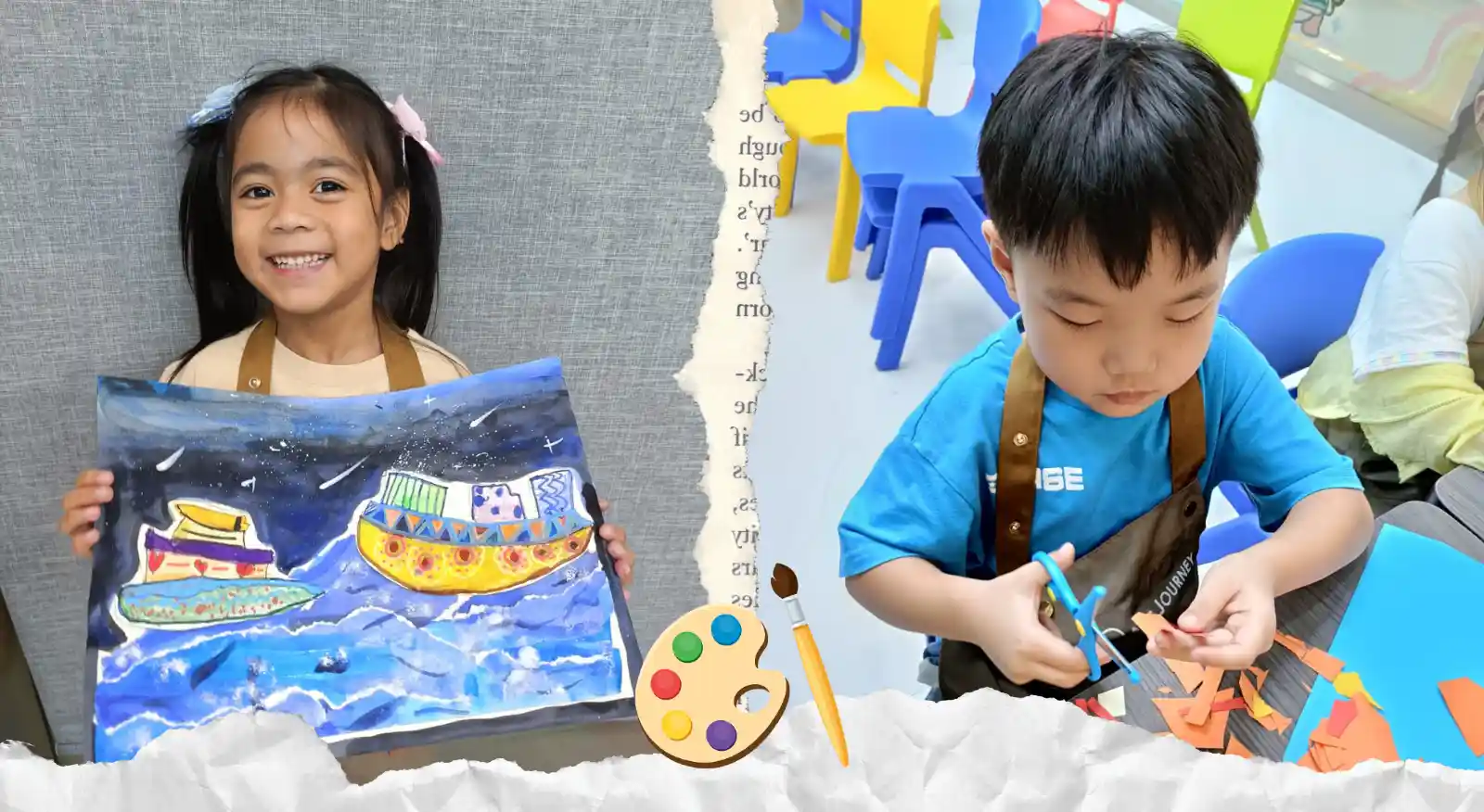
- Painting with brushes
- Cutting and pasting
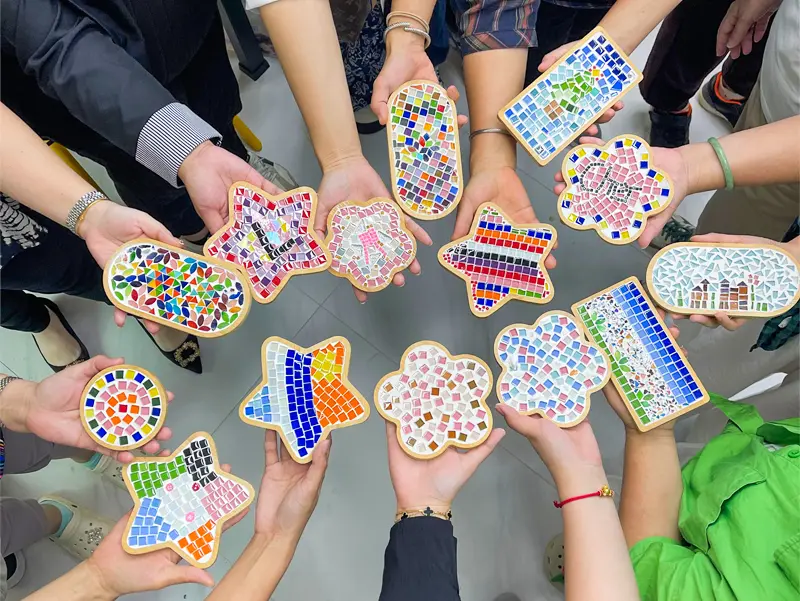
- Using mosaic tiles
- Rolling clay
- Drawing and colouring
As Singapore schools continue to emphasize independence and readiness, hands-on enrichment becomes even more valuable.
4. Creative Hands-On Activities Build Emotional Health
Emotional well-being will be a major parenting focus in 2026. Hands-on activities provide safe and enjoyable emotional outlets where kids can express themselves freely.
Art-based hands-on learning helps children:
- Relieve stress
- Process feelings
- Communicate emotions
- Build self-esteem
- Experience calm and joy
Unlike structured academic classes, creative workshops allow kids to create without fear of being “wrong.”
5. Children Gain Confidence by Completing Physical Creations
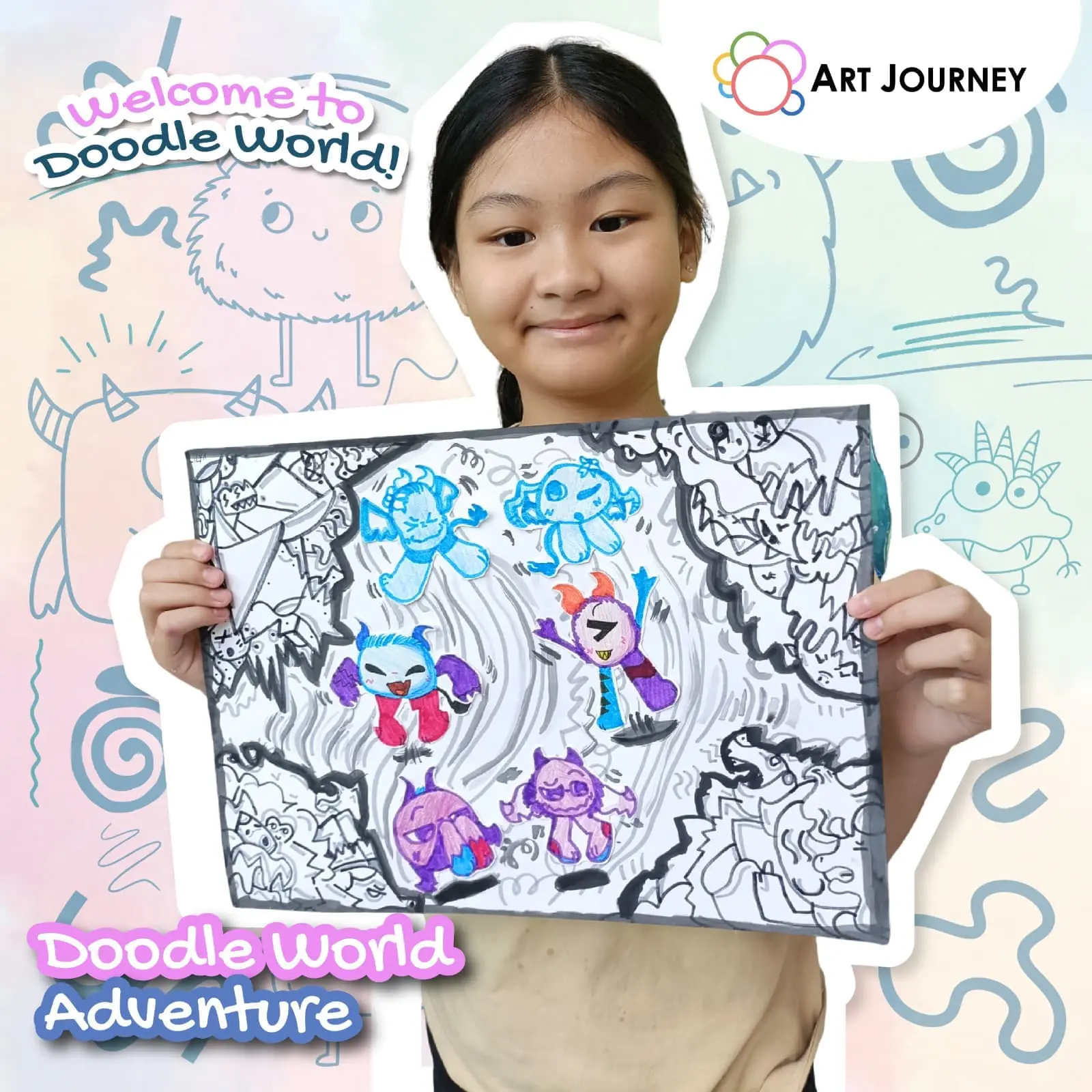
Whether it’s finishing a mosaic board or painting a canvas, hands-on learning gives children something they can see, touch, and proudly take home.
This builds:
- Achievement
- Confidence in their abilities
- Independent thinking
- Motivation to try new tasks
In 2026, parents will value enrichment that nurtures self-confidence—not just grades.
6. Hands-On Learning Encourages Problem-Solving and Innovation
When kids engage in creative activities, they naturally learn how to solve problems:
- What colour should I choose?
- How do I fit these tiles?
- What should I paint next?
- How do I fix a mistake?
These small creative decisions form the foundation of critical thinking. Hands-on enrichment trains the brain to experiment, adapt, and create—skills the future workforce will demand.
7. It Supports Social Skills Through Shared Activities
In group workshops, children interact with peers, share materials, learn cooperation, and celebrate each other’s creations.
Hands-on learning supports:
- Communication
- Collaboration
- Empathy
- Patience
- Respect for others
In 2026, as social development becomes increasingly important, parents will prioritise enrichment that fosters teamwork and positive social interactions.
8. Hands-On Activities Offer a Break From Academic Pressure
Singaporean children face academic expectations from a young age. Hands-on learning provides a refreshing break where creativity replaces competition.
Parents choose these activities because they are:
- Relaxing
- Play-based
- Low-pressure
- Enjoyable
- Meaningful
Hands-on enrichment gives children time to recharge and grow in a stress-free environment.
9. Sensory Exploration Boosts Early Brain Development
For toddlers and younger children, sensory-rich activities like clay play, texture painting, and sponge work stimulate brain development.
Hands-on sensory learning enhances:
- Neural connections
- Memory building
- Language development
- Cognitive flexibility
In 2026, sensory-based workshops will be a major trend among preschool parents.
10. Parents Want Experiences, Not Just Classes
The modern Singapore parent values experiences that enrich their child’s emotional and creative life. Hands-on learning provides tangible, joyful memories with real developmental benefits.
This is why:
- Art workshops
- Creative camps
- Parent-child sessions
- Themed craft events
…will become staple enrichment choices in 2026.
Art Journey Singapore: Leading the Hands-On Learning Movement
At Art Journey, hands-on learning is more than a trend—it’s our foundation. Every workshop is designed to nurture creativity, confidence, emotional expression, and skill-building through active, tactile experiences.
Parents choose Art Journey because:
- Kids stay fully engaged
- Workshops are fun and developmentally meaningful
- Activities are suitable for ages 4–12
- Children take home a finished piece every time
- Sessions support emotional and cognitive growth
In 2026, hands-on learning will not just be popular — it will be essential.
FAQs: Hands-On Learning in 2026
- Why is hands-on learning so important for children in 2026?
Because it builds creativity, confidence, motor skills, focus, and emotional well-being in a way screens and worksheets cannot.
- At what age should kids begin hands-on enrichment classes?
Toddlers can start sensory-based play at 2–3 years old, while structured art workshops are ideal from age 4.
- Does hands-on learning improve school performance?
Yes. It strengthens attention, memory, fine motor skills, and problem-solving, all of which support Primary School readiness.
- What types of hands-on activities are best for kids?
Painting, mosaic art, clay modelling, craft building, and sensory exploration are among the most effective.
- Is hands-on learning suitable for shy or introverted children?
Absolutely. It allows them to express themselves gently, without pressure or competition.
- Why is Art Journey a top choice for hands-on learning?
Art Journey offers guided, joyful, tactile workshops that support real developmental growth in a nurturing environment.