











Why Mosaic Art Will Become a Top Kids’ Activity in 2026
As parents and educators continue to look for meaningful, screen-free activities, mosaic art is quietly rising as one of the most engaging creative activities for children. In 2026, mosaic art is expected to gain even more popularity as families prioritise hands-on learning, emotional development, and creativity over passive entertainment.
Unlike fast-paced digital activities, mosaic art encourages patience, planning, and self-expression. It is not just an art form—it is a learning experience that aligns perfectly with modern parenting values.
1. A Powerful Alternative to Screen Time
Children today are exposed to screens from a very young age. Mosaic art offers a refreshing alternative that keeps kids fully engaged without relying on devices. The tactile nature of placing tiles, stones, or paper pieces helps children stay present and focused.
In 2026, parents are expected to seek more activities that support digital balance, and mosaic art naturally fits this need.
2. Builds Focus, Patience, and Problem-Solving Skills
Mosaic art is not rushed. Children must think carefully about colours, shapes, spacing, and patterns. This process develops:
- Concentration and attention span
- Logical thinking and sequencing
- Decision-making skills
- Emotional regulation through slow, mindful work
These skills are increasingly valued as educators move away from rote learning toward experiential education.
3. Encourages Creative Freedom Without Pressure
Unlike drawing or painting, mosaic art does not demand “perfect” lines or advanced skills. Every piece placed is intentional, and mistakes often become part of the design. This makes mosaic art especially suitable for children who may feel intimidated by traditional art forms.
In 2026, child-focused activities are expected to emphasise process over results, making mosaic art a perfect fit.
4. Supports Fine Motor and Hand-Eye Coordination
Cutting, picking, arranging, and placing small pieces help strengthen fine motor skills. This is particularly beneficial for younger children who are still developing hand control and coordination.
Educators and therapists increasingly recommend mosaic-style activities because they naturally combine creativity with physical skill development.
5. Suitable for All Ages and Skill Levels
One of the biggest reasons mosaic art will trend in 2026 is its adaptability. The activity can be easily adjusted for:
- Preschoolers using large foam or paper pieces
- Primary school children using tiles or coloured stones
- Older kids exploring detailed patterns and designs
This versatility makes it ideal for families, classrooms, workshops, and group activities.
6. Boosts Confidence and Emotional Expression
Completing a mosaic gives children a strong sense of achievement. Seeing their design come together piece by piece builds confidence and pride. For many kids, mosaic art also becomes a quiet way to express emotions without needing words.
As emotional well-being becomes a bigger focus in children’s development, creative outlets like mosaic art will continue to grow in importance.
7. Aligns With Sustainable and Eco-Friendly Trends
Mosaic art often uses recycled materials such as broken tiles, glass pieces, paper scraps, and natural elements. In 2026, sustainability will play a larger role in kids’ activities, making mosaic art an attractive choice for environmentally conscious families.
Teaching children how to create beauty from reused materials also encourages responsible habits from a young age.
8. Ideal for Group and Social Learning
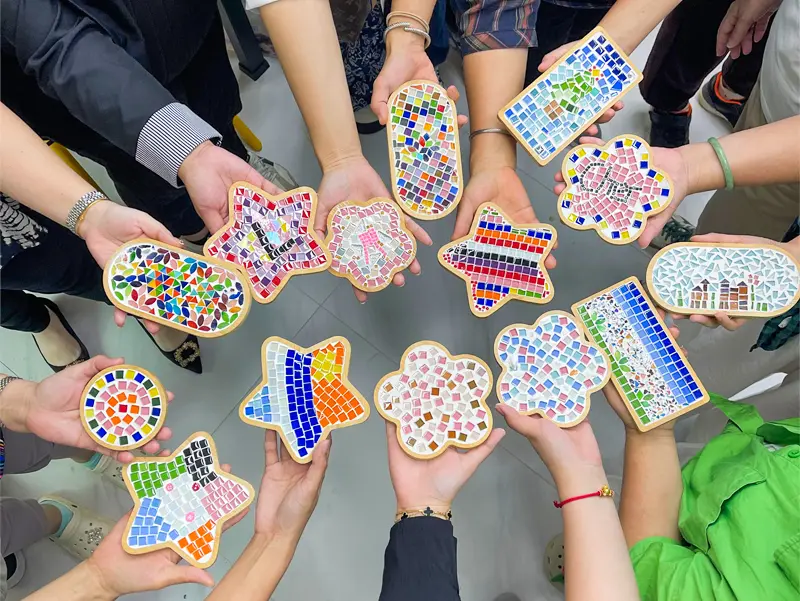
Mosaic art works well in group settings. Children can collaborate on shared designs, learn to communicate ideas, and respect each other’s creative choices. These collaborative experiences help build social skills and teamwork.
This makes mosaic art popular not only for home use but also for schools, enrichment programmes, and holiday workshops.
9. Fits Perfectly Into Modern Education Trends
Education in 2026 is expected to focus more on:
- Experiential learning
- Creativity-based development
- Emotional intelligence
- Hands-on exploration
Mosaic art naturally supports all these areas, making it a strong candidate for inclusion in modern learning environments.
10. A Calm, Mindful Activity in a Busy World
With increasing academic pressure and busy schedules, children need activities that allow them to slow down. Mosaic art provides a calming rhythm that helps reduce stress and anxiety.
This mindful quality is one of the key reasons mosaic art will stand out among kids’ activities in the coming years.
Frequently Asked Questions (FAQ)
What age is mosaic art suitable for?
Mosaic art can be adapted for children as young as 3 years old using large, safe materials, and it remains engaging for older children and even teenagers.
Is mosaic art safe for kids?
Yes, when age-appropriate materials are used. For younger kids, soft foam, paper, or plastic pieces are recommended instead of sharp tiles or glass.
How long does a mosaic art activity usually take?
A simple mosaic project can take 30–45 minutes, while more detailed designs may take several sessions, depending on the child’s age and interest.
Does mosaic art help with learning development?
Absolutely. Mosaic art supports fine motor skills, concentration, problem-solving, creativity, and emotional expression.
Can mosaic art be done at home?
Yes. Mosaic art can be easily set up at home with basic materials like coloured paper, cardboard, glue, and safe decorative pieces.